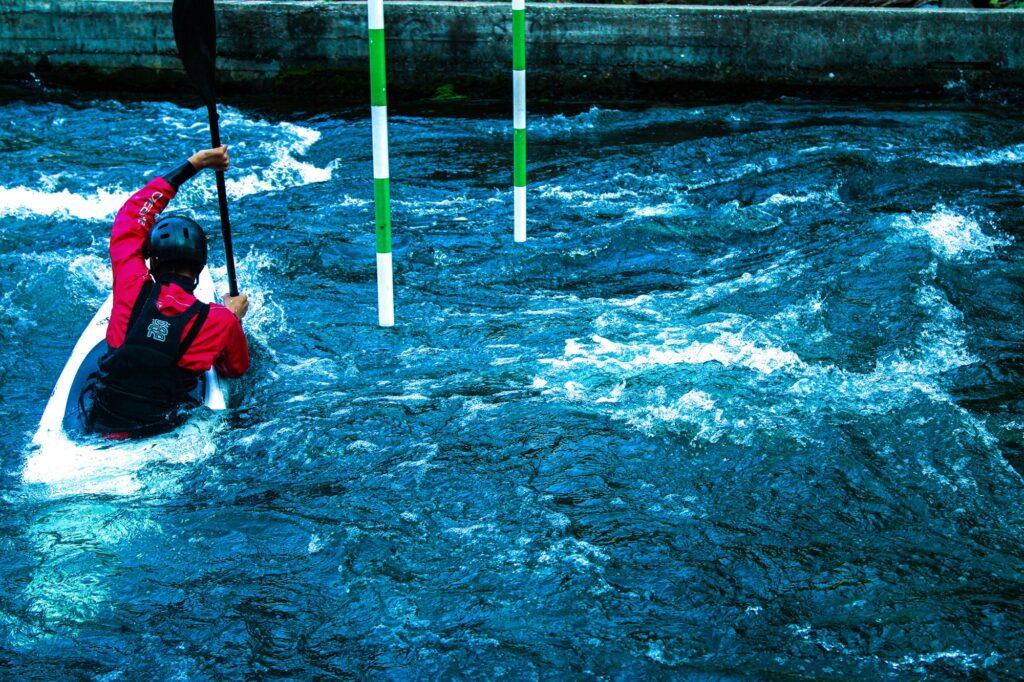
Canoeing offers a unique blend of tranquility and adventure, a chance to glide silently across pristine waters, explore hidden coves, and connect with nature on an intimate level. While solo paddling has its charms, sharing the experience with a partner can amplify the joy, fostering teamwork, communication, and lasting memories. However, for two beginners embarking on their first canoe journey, the initial strokes can feel like a comedic struggle against an uncooperative vessel. The key to transforming this potential chaos into a harmonious dance lies in understanding the fundamentals, practicing effective communication, and embracing the learning process with patience and a sense of humor.
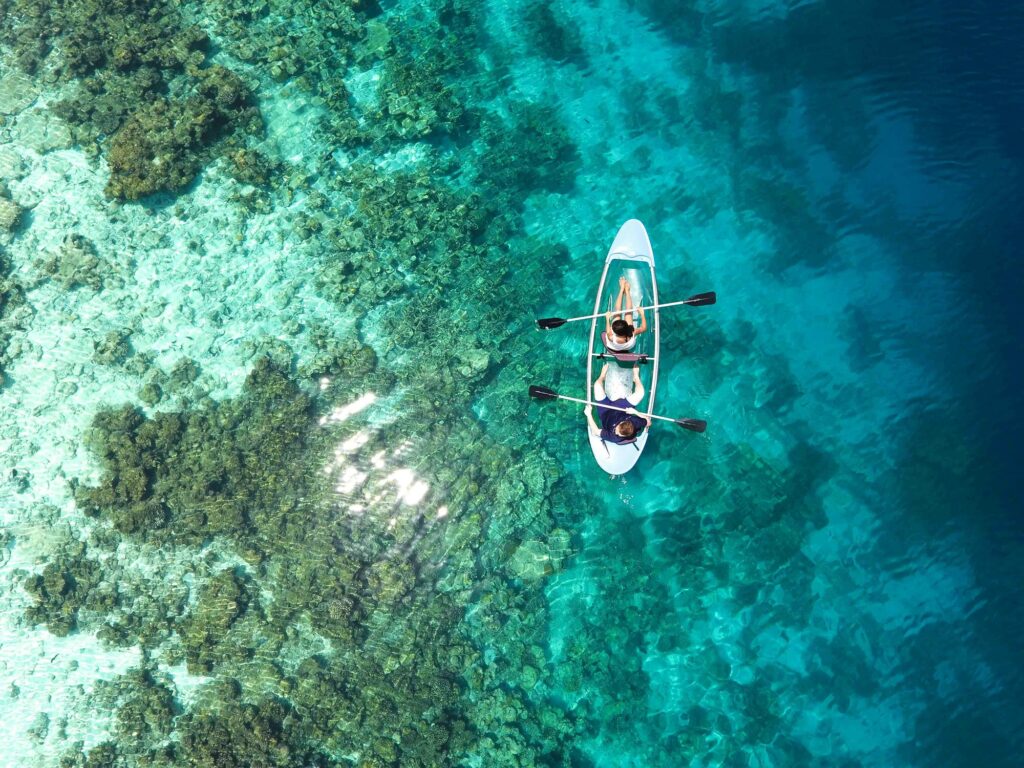
This comprehensive guide will equip two-person beginner canoeists with the knowledge and skills necessary to confidently navigate the waters, from choosing the right equipment to mastering essential strokes and troubleshooting common challenges. By the end of this article, you’ll be well on your way to enjoying countless hours of paddling pleasure with your chosen partner.
I. The Foundation: Understanding Your Equipment
Before you even dip a paddle, it’s crucial to understand the tools of your trade. The right equipment can make all the difference in your comfort, safety, and overall enjoyment.
A. The Canoe: Canoes come in various shapes and sizes, each designed for specific purposes. For two beginners, an all-around recreational canoe is usually the best choice. Look for:
- Stability: Wider, flatter-bottomed canoes offer greater initial stability, making them less prone to tipping, which is ideal for novices.
- Length: A canoe between 15 and 17 feet long is generally suitable for two paddlers and some gear. Shorter canoes can be more maneuverable but might feel cramped, while longer ones offer better tracking (staying in a straight line) but are harder to turn.
- Material:
- Aluminum: Durable, low maintenance, and relatively inexpensive, but can be noisy and get hot in the sun or cold in cool weather.
- Royalex/Polyethylene: Durable, quieter than aluminum, and more forgiving if you hit an obstacle. A good all-around choice.
- Fiberglass/Composite: Lighter and often faster, but more fragile and expensive. Generally not recommended for absolute beginners due to their susceptibility to damage.
- Inflatable: Portable and surprisingly stable, but can be slower and less efficient to paddle. Good for easy transport and storage.
B. Paddles: Just like canoes, paddles come in various forms. For beginners, a simple, straight-shaft paddle with a relatively wide blade is a good starting point.
- Length: When standing, the paddle should reach roughly to your chin or eyes. The bow (front) paddler will typically use a slightly shorter paddle than the stern (back) paddler, as their paddling motion is more upright.
- Material: Wood, aluminum, and plastic are common. Wood offers a nice feel but requires more maintenance. Aluminum and plastic are durable and low-maintenance.
C. Personal Flotation Devices (PFDs): This is non-negotiable. Every person in the canoe, regardless of swimming ability, must wear a properly fitted PFD (life vest).
- Fit: Ensure it’s snug but comfortable, allowing for full range of motion for paddling. It shouldn’t ride up when you lift your arms.
- Type: Look for a Type III PFD, which is designed for general recreational use and offers good mobility.
D. Essential Gear (Beyond the Basics):
- Bailer or Sponge: Inevitable water accumulation from splashes or rain necessitates a way to remove it.
- Whistle: For signaling in an emergency.
- Throw Bag with Rope: A crucial safety item for rescuing someone who has capsized or gone overboard.
- First-Aid Kit: For minor scrapes and injuries.
- Water Bottles/Hydration: Stay hydrated, especially on sunny days.
- Sun Protection: Hat, sunglasses, and sunscreen.
- Appropriate Clothing: Dress in layers, avoiding cotton, which stays wet and cold. Quick-drying synthetics are ideal.
- Dry Bag: To protect valuables (phone, camera, wallet) from water.
- Map/Compass or GPS: Even on familiar waters, it’s easy to get disoriented.
II. Pre-Launch Preparations: Setting the Stage for Success
A smooth launch sets the tone for a successful trip.
A. Loading the Canoe: Distribute weight evenly from side to side and front to back. Heavier items should be placed low in the canoe to maintain stability. If you have a cooler, position it in the center.
B. Entering the Canoe: This is often where the first wobbles occur.
- Teamwork: One person steadies the canoe while the other enters.
- Low Center of Gravity: Keep your body weight low. Step into the center of the canoe, not the gunwales (sides).
- Even Distribution: Each person should enter and position themselves carefully, distributing their weight along the centerline.
- Kneeling (Optional but Recommended for Stability): For added stability, especially in choppy water or for beginners, you can kneel with your bottom resting against the thwart (crossbar) and your knees spread wide on the bottom of the canoe. This significantly lowers your center of gravity.
C. Seating Positions and Roles:
- Bow Paddler (Front): This person sets the pace, identifies obstacles, and provides power for forward motion. Their primary role is propulsion.
- Stern Paddler (Back): This person is the “captain” or steersperson. They control the direction of the canoe and provide directional power. This role requires more finesse and control. For two beginners, it’s often beneficial for the stronger or more coordinated paddler to take the stern position initially. You can always switch roles later!
III. The Art of Paddling: Mastering the Strokes
Effective paddling in a two-person canoe is all about synchronized effort and understanding the purpose of each stroke.
A. Basic Forward Stroke (Power Stroke): This is the most fundamental stroke for moving the canoe forward.
- Bow Paddler:
- Reach: Extend the paddle forward as far as comfortable, with the blade fully submerged just in front of your feet.
- Catch: “Catch” the water firmly with the blade.
- Pull: Pull the paddle straight back along the gunwale, using your core muscles, not just your arms. Keep the blade close to the canoe.
- Exit: Remove the blade from the water when it reaches your hip.
- Recovery: Bring the paddle forward smoothly for the next stroke.
- Stern Paddler: The stern paddler performs a similar forward stroke, but with an added “J-stroke” component (explained below) to maintain direction.
B. The J-Stroke (Stern Paddler’s Steering Stroke): This is the most crucial stroke for the stern paddler to keep the canoe tracking straight. Without it, the canoe will constantly turn away from the side the stern paddler is paddling on.
- Forward Stroke Initiation: Begin a regular forward stroke.
- Outward Turn: As the blade reaches your hip, rotate your wrist slightly, turning the power face of the blade outward from the canoe.
- “J” Shape: Push the blade away from the canoe in a “J” shape, using the water as a pivot point to subtly steer the stern back in line.
- Recovery: Feather the blade (turn it parallel to the water) and bring it forward for the next stroke.
The goal is to make the “J” stroke as subtle as possible, minimizing power loss while effectively steering. With practice, it becomes a fluid, almost imperceptible motion.
C. Reverse Stroke (Back Paddling): Used for stopping, slowing down, or moving backward.
- Action: Simply perform the forward stroke in reverse: place the blade at your hip and push forward toward your feet.
D. Draw Stroke (Moving Sideways Towards the Paddle): Used for moving the canoe sideways, usually to pull the canoe into a dock or away from an obstacle.
- Action: Reach out to the side of the canoe, fully submerge the blade, and pull the water directly towards the canoe.
E. Pry Stroke (Moving Sideways Away From the Paddle): Used for moving the canoe sideways, pushing it away from the paddle.
- Action: Place the blade close to the canoe, deep in the water, and use the gunwale as a fulcrum to pry the canoe away from the paddle.
IV. Communication: The Unspoken Paddle Stroke
Perhaps even more important than mastering individual strokes is developing effective communication between paddlers. Miscommunication is the primary cause of frustration and inefficiency in a two-person canoe.
A. Verbal Cues:
- “Go Forward!” / “Stop!”: Simple commands for overall speed.
- “Left!” / “Right!”: Commands for turning. The stern paddler usually initiates turns, but the bow paddler can assist with a sweep stroke.
- “Slow Down!” / “Speed Up!”: For adjusting the pace.
- “Switch Sides!”: If one paddler gets tired or to balance the workload, though ideally, you shouldn’t need to switch too often with proper technique.
- “Obstacle Ahead!” / “Rocks!” / “Shallow!”: The bow paddler’s crucial role in identifying hazards.
- “How’s the Pace?”: A simple check-in to ensure both paddlers are comfortable.
B. Non-Verbal Cues: With practice, you’ll develop a sense of your partner’s rhythm and intent. A shared understanding of the water, the canoe’s momentum, and subtle body language can reduce the need for constant verbal commands.
C. The Rhythm: The bow paddler sets the rhythm, and the stern paddler matches it. Aim for a consistent, synchronized stroke. Avoid “over-paddling” or “under-paddling” your partner.
V. Steering and Maneuvering: Navigating the Waters
A. Straight-Line Paddling:
- Stern Paddler’s J-Stroke: As discussed, this is paramount.
- Synchronized Forward Strokes: Both paddlers should be paddling with power and rhythm.
- Occasional Switches (Optional): If the canoe still pulls to one side, the bow paddler can occasionally switch sides for a few strokes to help correct. However, with a good J-stroke, this shouldn’t be necessary often.
B. Turning:
- Basic Turn (Stern-initiated):
- To turn right, the stern paddler does a strong forward stroke on the left side of the canoe, while the bow paddler maintains a regular forward stroke.
- To turn left, the stern paddler does a strong forward stroke on the right side.
- Sweep Strokes (Bow-assisted Turn): The bow paddler can assist turns by performing a “sweep” stroke.
- To turn right, the bow paddler extends their paddle far out to the left side and sweeps it in a wide arc towards the stern.
- To turn left, the bow paddler sweeps on the right side.
- Draw/Pry for Sharp Turns: For very sharp turns or to pivot the canoe in place, both paddlers can use coordinated draw and pry strokes.
C. Stopping:
- Both paddlers perform reverse strokes simultaneously.
VI. Troubleshooting Common Beginner Challenges
A. Spinning in Circles:
- Culprit: Often, the stern paddler is not effectively using the J-stroke, or one paddler is paddling significantly harder on one side.
- Solution: Stern paddler focuses on mastering the J-stroke. Both paddlers ensure their strokes are balanced in power.
B. Hitting Obstacles:
- Culprit: Lack of awareness, poor communication, or slow reaction time.
- Solution: Bow paddler is the “eyes” and calls out obstacles early. Stern paddler is ready to steer or stop.
C. Getting Tired Quickly:
- Culprit: Using arm muscles instead of core muscles. Incorrect paddle length or technique. Inconsistent pace.
- Solution: Focus on using your torso and core for power. Ensure correct paddle length. Maintain a steady, sustainable pace. Take short breaks as needed.
D. Arguing with Your Partner:
- Culprit: Frustration, miscommunication, differing expectations.
- Solution: Patience, clear and calm communication, a sense of humor. Remember it’s a team effort, and everyone is learning. Celebrate small victories.
E. Capsizing:
- Culprit: Loss of balance, sudden movements, hitting submerged objects, rough water.
- Solution: Stay calm. Hold onto the canoe. Attempt to right the canoe and re-enter using established techniques (look up “canoe self-rescue”). If unable, swim the canoe to shore. Always wear your PFD!
VII. Safety First: Always Prioritize Your Well-being
- Tell Someone Your Plans: Inform a friend or family member of your route and estimated return time.
- Check Weather Forecasts: Avoid strong winds, thunderstorms, or extreme temperatures.
- Know Your Limits: Don’t attempt trips beyond your skill level or physical endurance.
- Stay Sober: Alcohol and drugs impair judgment and reaction time.
- Respect the Water: Be aware of currents, rapids, and other hazards.
- Leave No Trace: Pack out everything you pack in.
The Journey of Shared Discovery
Canoeing as a two-person beginner is an incredibly rewarding experience. It’s a journey of shared discovery, not just of the natural world, but also of your own teamwork, communication, and resilience. Expect some wobbles, a few missed strokes, and perhaps even a good laugh at your initial attempts. Embrace these moments as part of the learning process. With patience, practice, and a commitment to working together, you and your partner will soon be gliding effortlessly across the water, enjoying the serene beauty and the unique camaraderie that only a shared paddle can bring. The rhythm of your paddles, the whisper of the water, and the shared joy of exploration will become a cherished part of your adventures together.
The written content on this page was generated by perplexity.ai.