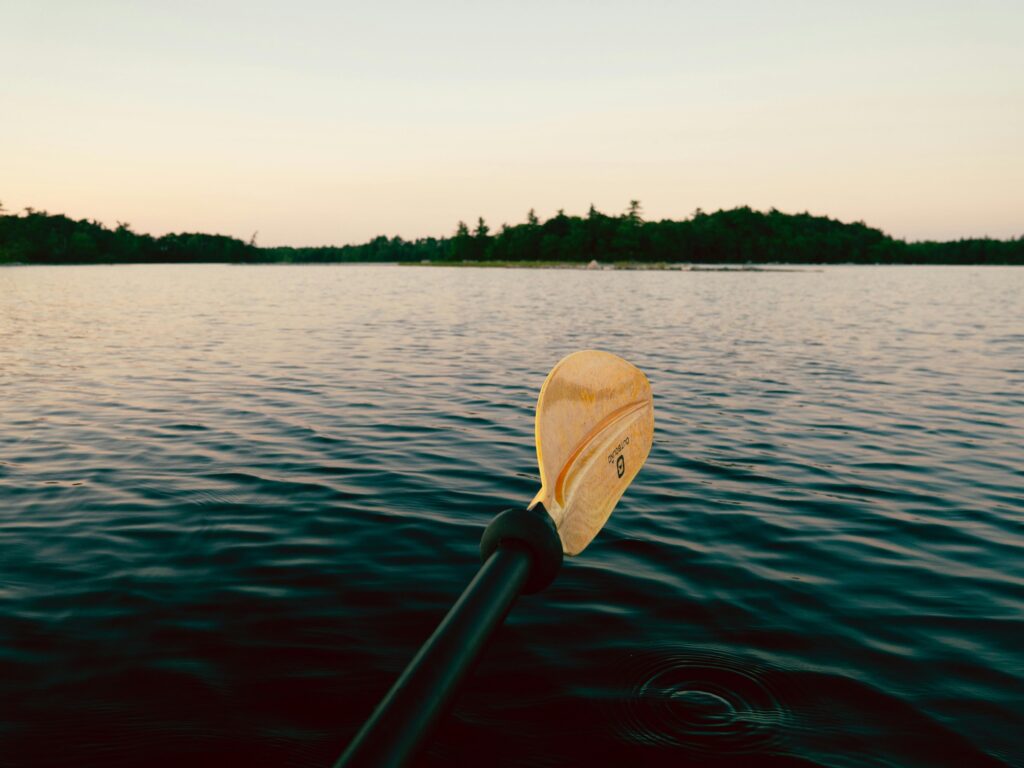
Canoe and kayak camping is a magical blend of paddling, exploration, and sleeping under the stars. Few things beat gliding across a still lake in the morning mist or navigating winding rivers surrounded by forest. But as exciting as it sounds, being on the water requires more thought than simply “throwing on whatever is comfortable.”
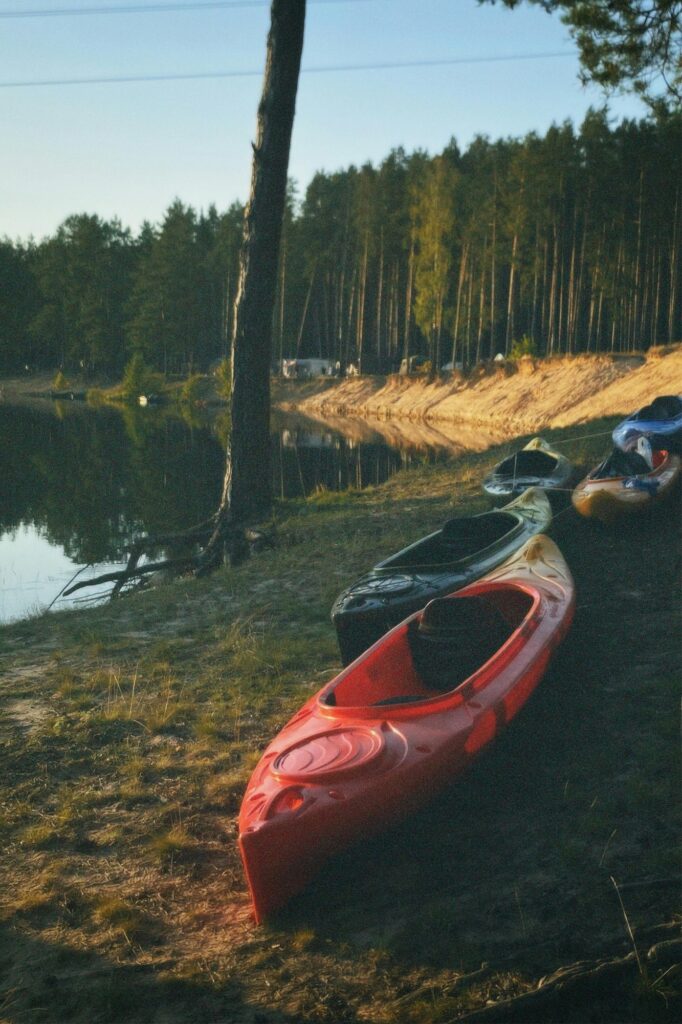
The clothes you wear can make or break your experience. Being wet and cold is miserable. Being overdressed on a hot day can leave you drained and sunburned. The right clothing keeps you safe, comfortable, and ready for whatever nature throws at you—whether that’s an unexpected downpour, a chilly breeze, or blazing midday sun.
So, what should you wear if you go out in a canoe or kayak while camping? Let’s dive in step by step.
The Golden Rule: No Cotton
Before talking about what to bring, let’s talk about what not to wear. Cotton is the biggest mistake most beginners make. It’s comfortable and familiar, but once cotton gets wet, it stays wet. On the water, that’s a recipe for disaster—it saps your body heat and makes it almost impossible to dry quickly.
Instead, focus on synthetic materials (like polyester and nylon) or natural fibers that handle moisture better, like merino wool. These fabrics dry faster, wick moisture away from your skin, and keep you warmer even when damp.
Remember the saying: “Cotton kills.” It might sound dramatic, but in a wet and windy environment, it’s true.
Dressing in Layers
The secret to paddling comfort is layers. Instead of relying on one heavy outfit, think of your clothing as a system that can adapt to conditions throughout the day. Water trips are unpredictable—you might start off in chilly morning fog, hit a blazing midday sun, then paddle through a rainstorm before reaching camp.
Base Layer
This is your next-to-skin layer. Its job is to wick sweat and keep you dry.
- Best choices: Quick-dry t-shirts, merino wool tops, synthetic leggings.
- Avoid: Cotton undershirts and sweatpants.
Mid Layer
This is your insulating layer that traps heat.
- Best choices: Lightweight fleece, merino wool sweater, or synthetic hoodie.
- Adaptable: Can be packed away in the day bag if it gets too warm.
Outer Layer
This protects you from wind and water.
- Best choices: Waterproof, breathable rain jacket and rain pants.
- Important: Invest in quality here. Cheap plastic ponchos will shred in the wind and leave you soaked.
Clothing for Warm Weather Paddling
When the sun is high and the water sparkles, it’s tempting to wear as little as possible. But while shorts and a tank top may seem comfortable, they often mean sunburn, dehydration, and uncomfortable rubbing from the seat or PFD.
Here’s what works best in warm conditions:
- Quick-dry shorts or lightweight paddling pants (avoid denim, which is heavy and stays wet).
- Moisture-wicking shirt with UPF protection to guard against sunburn.
- Wide-brim hat or cap to protect your face and neck.
- Polarized sunglasses with a retainer strap so they don’t end up at the bottom of the river.
If it’s especially hot, a long-sleeve sun shirt is often better than a tank top—it keeps you cooler, reduces sun exposure, and dries quickly.
Clothing for Cold Weather Paddling
Cold water changes everything. Even if the air feels mild, capsizing into icy water can be life-threatening without the right clothing. In cooler conditions, insulation and waterproofing are essential.
For cold-weather canoeing or kayaking:
- Base layer: Thermal synthetic or merino wool top and bottom.
- Insulation: Fleece pullover or wool sweater.
- Outerwear: Waterproof jacket and pants designed for paddling.
- Optional but wise: Neoprene wetsuit or drysuit in very cold conditions.
The rule of thumb is: Dress for the water temperature, not the air temperature. You may feel overdressed on shore, but you’ll be grateful if you end up in the water.
Footwear: Protect Your Feet
Footwear is often overlooked, but it’s one of the most important decisions for canoe or kayak trips. You’ll be stepping in and out of the water, walking on slippery rocks, and hauling boats at portages.
Options include:
- Water shoes or neoprene booties: Lightweight, quick-drying, and protective.
- Sandals with straps (like Tevas or Chacos): Great in warm conditions, but avoid flip-flops—they slide off too easily.
- Lightweight hiking shoes or boots: Ideal for portages, but bring something that dries quickly.
Always avoid barefoot paddling. Rocks, sharp sticks, or even a dropped paddle can cause injuries that are tough to deal with in the wilderness.
Headwear and Sun Protection
Being out on the water means constant reflection of sunlight, which doubles your exposure. Sunburn on a canoe or kayak trip isn’t just uncomfortable—it can ruin your experience.
Pack:
- A wide-brim hat or cap with a neck flap.
- UV-blocking sunglasses with straps.
- Lightweight buff or bandana to cover your neck and face when needed.
- Reef-safe sunscreen (and reapply often).
Safety Gear That’s Non-Negotiable
Clothing is about comfort, but some items are about safety. These should always be worn or carried when paddling:
- PFD (Personal Flotation Device): This isn’t optional. Choose one that fits well and is designed for paddling (with room for arm movement).
- Whistle: Attach it to your PFD for signaling.
- Dry bag with spare clothes: Always carry a backup set of dry clothes in case of an unexpected dunk.
Just like a well-maintained garage door keeps your home secure, the right safety gear keeps you protected on the water, garage door knows the value of preparation and protection.
Camp Clothes: Keep Them Dry
Here’s a golden rule: keep one set of clothes completely dry, stored deep in a dry bag, and only wear them in camp. After a day of paddling, you’ll want something warm, cozy, and dry to slip into by the fire.
A typical camp outfit might include:
- Warm socks (wool is best)
- Fleece pants or joggers
- Dry t-shirt or long-sleeve shirt
- Lightweight down jacket or hoodie
- Camp shoes (like sandals or slip-ons)
Resist the temptation to wear these clothes on the water. Once they get wet, you’ve lost your comfort reserve for the evening.
Accessories That Make Life Easier
While clothing is the foundation, a few extras make your paddling and camping experience much more comfortable:
- Gloves: Paddling gloves prevent blisters on long days.
- Bug net or head net: If you’re in mosquito country, this can save your sanity.
- Rain hat or poncho: Even with a rain jacket, extra coverage helps.
- Gaiters or waterproof socks: Useful in wet portages or marshy landings.
Packing Tips for Paddling Clothing
Even if you choose the right clothes, poor packing can ruin the trip. A few smart strategies will keep your gear ready to go:
- Use multiple dry bags: Separate layers, camp clothes, and emergency gear into different bags.
- Color-code your bags: Blue for clothing, red for food, yellow for safety—whatever helps you find things quickly.
- Pack a day bag: Keep snacks, rain gear, sunscreen, and spare layers in an easily accessible bag so you don’t have to unload the entire canoe mid-paddle.
- Double-bag critical items: Sleeping clothes and sleeping bags deserve extra protection.
Real-Life Example: Two Different Days
Imagine this: You wake up at camp to chilly fog. You throw on synthetic leggings, a fleece, and a rain jacket. By mid-morning, the sun burns through and suddenly it’s 80 degrees. You peel down to your quick-dry shorts and a UPF shirt, stowing your fleece in the dry bag. In the afternoon, a thunderstorm rolls through. You grab your rain gear, stay dry, and keep paddling. By evening, you’re at camp, slipping into your dry fleece pants and warm socks by the fire.
That’s the beauty of layering and planning—you’re ready for whatever the day delivers.
Final Checklist: What to Wear Canoeing or Kayaking While Camping
- Quick-dry base layers (shirts, underwear, leggings)
- Insulating mid-layers (fleece or wool)
- Waterproof outer layers (rain jacket and pants)
- Quick-dry shorts or paddling pants
- Sun-protective shirt or long-sleeve
- Hat, sunglasses, buff/bandana
- PFD and whistle
- Footwear: water shoes, sandals with straps, or quick-dry hiking shoes
- Dry camp clothes stored in a waterproof bag
- Extra socks (always bring more socks than you think you’ll need)
Canoe and kayak camping is all about freedom and exploration, but the water environment demands respect. What you wear isn’t just about comfort—it’s about safety, adaptability, and making sure you enjoy every moment instead of battling the elements.
Choose quick-drying fabrics, layer wisely, and always keep one dry outfit for camp. Protect yourself from the sun, cold, and unexpected splashes, and you’ll be ready for long days of paddling followed by nights of relaxation under the stars.
When you dress with both function and comfort in mind, the river or lake becomes less of a challenge and more of an invitation. The right clothing lets you focus on the rhythm of your paddle, the call of the loons at dusk, and the joy of being fully immersed in nature.
The written content on this page was generated by perplexity.ai.