Beginner Guides

Who guides a canoe?

A canoe is typically guided by a canoe guide—an experienced paddler responsible for leading, instructing, and ensuring the safety of participants during canoe trips. The guide’s role extends far beyond simply steering the canoe; it involves leadership, teaching, risk management, and often sharing deep knowledge about the natural environment. Whether on calm lakes, winding rivers, or gentle rapids, the canoe guide is the cornerstone of a successful and safe paddling experience.

Responsibilities of a Canoe Guide
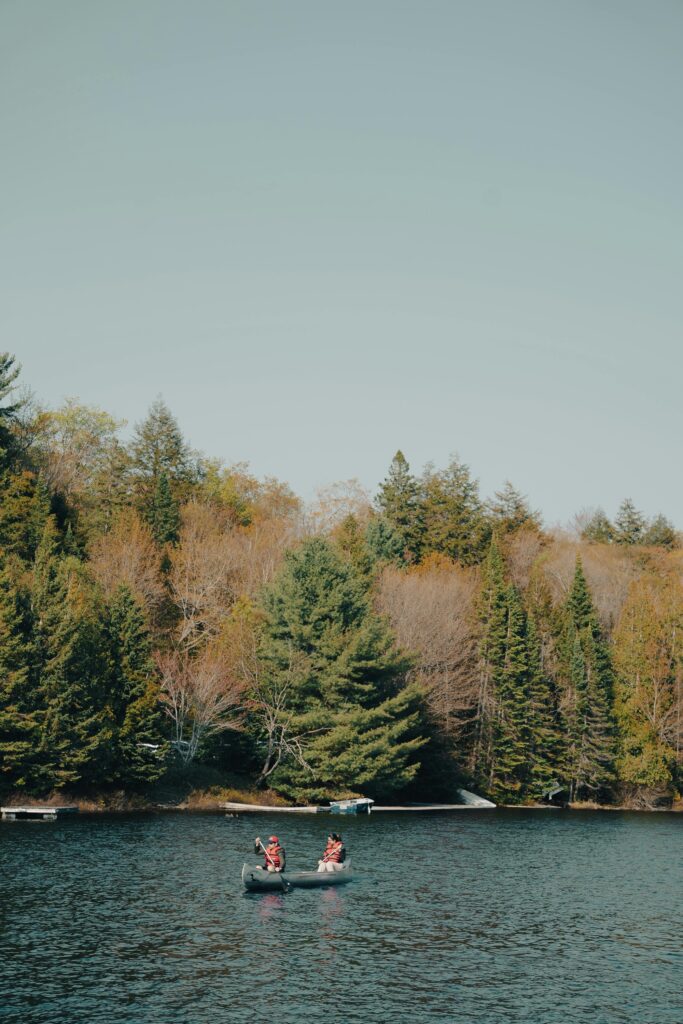
Photo by apertur2.8

Trip Leadership

Canoe guides lead both day trips and multi-day expeditions, managing group dynamics and logistics. They coordinate activities such as setting daily goals, organizing portages (carrying the canoe overland between water bodies), and ensuring that all participants understand and follow safety protocols. Their leadership helps maintain group morale and cohesion, especially during challenging conditions.

Instruction

A key part of the guide’s role is teaching paddling techniques tailored to the skill levels of participants. This includes demonstrating proper strokes, how to enter and exit the canoe safely, and how to work as a team when paddling tandem. Guides also instruct on safety measures such as self-rescue, capsizing procedures, and how to respond to emergencies on the water.

Safety Management

Canoe guides are trained to anticipate and manage risks. They carry essential safety gear including first aid kits, throw bags, and communication devices. In emergencies—whether it’s sudden weather changes, injuries, or equipment failures—the guide acts quickly to protect the group. They also conduct safety briefings before trips and ensure everyone wears personal flotation devices (PFDs).

Navigation

Guides are skilled at reading water conditions, weather patterns, and natural landmarks to navigate safely. They plan routes that suit the group’s ability and the environment, avoiding hazards like strong currents, shallow rocks, or dangerous rapids. Their ability to interpret maps and GPS data is crucial for keeping the group on course and on schedule.

Natural Interpretation

Many canoe guides enrich the trip by sharing knowledge about the local ecosystem, wildlife, geology, and cultural history. This interpretive role transforms a simple paddling excursion into an educational adventure, fostering a deeper appreciation for nature and conservation.

Logistics

Beyond paddling, guides handle a variety of logistical tasks. This can include maintaining and repairing equipment, organizing gear transport, managing food supplies, and setting up campsites during overnight trips. Their organizational skills ensure that trips run smoothly from start to finish.

Qualifications and Skills

Canoe guides possess a blend of technical paddling expertise, outdoor leadership experience, and safety certifications. Common qualifications include:

  • Wilderness First Aid or First Responder Certification: Essential for managing medical emergencies in remote areas.
  • CPR and Swiftwater Rescue Training: Critical for water-based rescues and life-saving interventions.
  • Advanced Paddling Certifications: Such as those offered by Paddle Canada or similar organizations, which validate proficiency in canoe handling and safety.
  • Strong Communication and Leadership Abilities: To effectively instruct and manage groups of varying skill levels.
  • Physical Fitness: Guides must be capable of carrying heavy canoes and gear, often over uneven terrain during portages.

Additional valuable skills may include knowledge of local indigenous cultures, second-language fluency, or expertise in natural history and wildlife identification.

The Guide’s Role in the Canoe

On the water, the guide typically steers from the stern (back) of the canoe, where they have the best vantage point to control direction and speed. The stern position allows the guide to make precise steering adjustments using strokes like the J-stroke, keeping the canoe on course. In group trips, the guide may paddle solo or with a partner but always holds ultimate responsibility for the group’s safety, navigation, and overall experience.

A canoe guide is much more than just a paddler—they are leaders, teachers, and stewards of safety and the environment. Their expertise ensures that canoe trips are not only safe but also memorable and enriching for everyone involved. Whether you’re embarking on your first canoe journey or an experienced adventurer, a skilled guide can transform the experience into a seamless blend of adventure, learning, and connection with nature.

The written content on this page was generated by perplexity.ai.

Beginner Guides

How to canoe for beginners?

Canoeing is an accessible and rewarding way to explore lakes, rivers, and even gentle rapids. For beginners, learning the basics of canoeing ensures a safer and more enjoyable experience on the water. This guide covers essential tips, techniques, and safety advice to help you get started.

Getting Into the Canoe

Positioning the canoe correctly is crucial for a smooth entry. If launching from a dock or rocky shoreline, place the canoe parallel to the dock or shore. One person should stabilize the canoe by holding onto the gunwales (the sides of the canoe), while the other steps in. Always step one foot at a time into the center line of the canoe, keeping your weight low to maintain balance. Use the gunwales for support as you move, and slide your hands along them for extra stability.

When launching from a beach or shallow shoreline, position the canoe perpendicular to the shore with the bow in the water. The bow paddler enters first, walking carefully to their seat, followed by the stern paddler who pushes the canoe off before stepping in. If you’re solo, enter near the narrower stern, reach across to the far gunwale to balance your weight, and move forward to your seat.

Proper Seating and Balance

Stability in a canoe depends on proper seating and weight distribution. Sit or kneel low and centered in the canoe to lower your center of gravity and maximize stability. Kneeling can provide extra control, especially in rougher water or rapids. When paddling with a partner, the heavier or more experienced paddler should sit in the stern (back), while the lighter paddler takes the bow (front). This helps balance the canoe and makes steering easier.

For solo paddlers, position yourself close to the center of the canoe to keep it balanced. Adjust seat positions according to your needs—seats closer to the ends provide more leverage for turning but may reduce stability, while seats closer to the center offer greater stability and comfort. Seat height also matters: lower seats increase stability, while higher seats make it easier to paddle and maneuver. Many paddlers angle the seat slightly forward for comfort, especially when kneeling.

Essential Paddling Strokes

Forward Stroke
The forward stroke is your primary means of propulsion. Reach forward along the side of the canoe, plant the blade vertically in the water, and pull it straight back toward your hip, using your torso and shoulders for power rather than just your arms. Keep your grip hand at about eye level and focus on smooth, steady strokes for efficiency.

Backward Stroke
To stop or reverse, use the backward stroke. Start with the paddle near your hip and push it forward through the water. This stroke is essential for braking and maneuvering in tight spots.

J-Stroke
The J-stroke is vital for keeping the canoe moving straight, especially for the stern paddler. After a forward stroke, twist your wrist and angle the blade outward in a small “J” shape. This subtle correction helps counteract the natural tendency of the canoe to turn and keeps you on course.

Draw Stroke
The draw stroke moves the canoe sideways, useful for docking or avoiding obstacles. Reach the paddle out over the water, plant the blade, and pull the canoe toward the paddle. To recover, turn the blade perpendicular to the canoe and slice it away from you or lift it out of the water.

Other Useful Strokes

  • Cross Draw Stroke: A variation of the draw stroke, performed on the opposite side by rotating your torso and reaching across the canoe.
  • Stern Pry Stroke: Used at the end of a forward stroke to bring the canoe toward the paddle side, aiding in sharp turns.

Steering and Coordination

Paddling in sync with your partner is key for smooth movement and control. Partners should paddle on opposite sides for balance and to keep the canoe straight. To turn, both paddlers can paddle on the same side, or use a combination of forward and backward strokes on opposite sides. Good communication and rhythm between paddlers make steering easier and more efficient.

Safety Tips

  • Always wear a properly fitted personal flotation device (PFD).
  • Enter and exit the canoe slowly, keeping your weight low and centered.
  • Avoid sudden movements and keep the bulk of the weight in the middle of the canoe.
  • Check weather conditions before heading out and avoid paddling in questionable weather.
  • Know your limits—start in calm, slow-moving waters before progressing to more challenging environments.
  • Be aware of your surroundings and potential hazards like rocks, logs, low-hanging branches, and other boats.
  • Regularly inspect your canoe for leaks, cracks, or damage before each trip.
  • Carry essential safety gear, including a whistle, first aid kit, and rescue equipment.

Practice makes perfect—start on calm, flat water to build your confidence and skills before tackling rivers or rapids. When approaching rapids, look for downstream “V” shapes in the water, which indicate a clear path, and avoid upstream “V” shapes that signal rocks or obstacles. Always stay alert to your environment and enjoy the sense of adventure and connection with nature that canoeing provides.

With these basics, beginners can confidently embark on their canoeing journey, building skills and creating lasting memories on the water.

The written content on this page was generated by perplexity.ai.