Seasonal Advice

What is the best wind speed for canoeing?

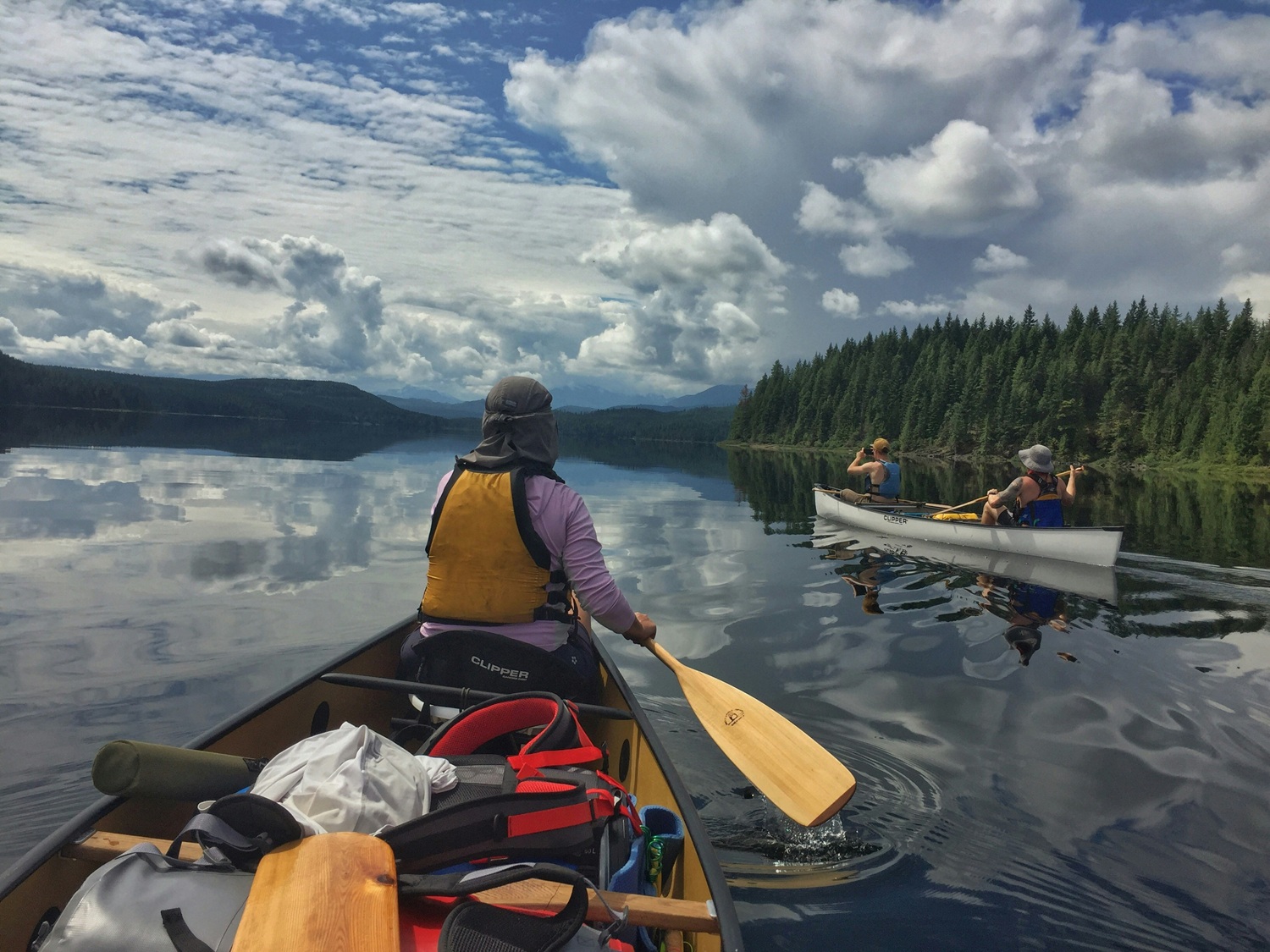
Canoeing is a rewarding outdoor activity that connects paddlers with nature, offering both tranquility and adventure. However, wind conditions play a critical role in determining how enjoyable and safe a canoeing trip will be. Understanding the best wind speed for canoeing helps paddlers plan their excursions wisely, ensuring both fun and safety on the water. This article explores ideal wind speeds for canoeing, how wind impacts paddling, and tips for managing different wind conditions.

Why Wind Speed Matters in Canoeing

Wind affects canoeing by creating resistance and generating waves, both of which influence the paddler’s ability to control the canoe and maintain forward momentum. Even moderate winds can push a canoe off course, increase physical exertion, and cause rough water conditions. Strong winds can make paddling difficult or even dangerous, especially on open water or large lakes where waves can build up significantly.

The best wind speed for canoeing balances manageable water conditions with minimal resistance, allowing paddlers to enjoy their trip without undue fatigue or risk.

Ideal Wind Speeds for Canoeing by Skill Level

Beginners: Up to 10 Knots (Approximately 11.5 mph or 18.5 km/h)

For novice paddlers, calm conditions with wind speeds of 10 knots or less are ideal. At this level, the water surface remains relatively flat, and the wind does not significantly affect the canoe’s handling. Staying within this wind range helps beginners build confidence and develop paddling skills without battling strong resistance or waves.

Intermediate Paddlers: 10 to 15 Knots (Approximately 11.5 to 17 mph or 18.5 to 27 km/h)

Intermediate paddlers with some experience can handle winds up to 15 knots, though this range begins to introduce challenges. Wind at this speed can create noticeable waves and push the canoe sideways, requiring more effort to maintain course and speed. Paddlers should be comfortable with steering techniques and maintaining stability in choppier water.

Advanced Paddlers: 15 to 20 Knots (Approximately 17 to 23 mph or 27 to 37 km/h)

Experienced paddlers can manage winds between 15 and 20 knots, but these conditions are physically demanding and require strong paddling skills and good judgment. At this wind speed, waves become larger and more frequent, and paddling against the wind demands considerable effort. Trips in these conditions should be planned carefully, with attention to safety and route selection.

Winds Above 20 Knots (Over 23 mph or 37 km/h): Generally Not Recommended

Wind speeds exceeding 20 knots typically create unsafe conditions for most canoeists. The water becomes rough and unpredictable, and paddling against the wind may be nearly impossible. Such conditions increase the risk of capsizing and exhaustion. Only highly skilled paddlers with specialized equipment and experience should consider venturing out in these winds, and even then, caution is paramount.

How Wind Speed Translates to Effort and Safety

Wind resistance increases exponentially with speed. For example, paddling against a 15 mph wind requires significantly more energy than paddling in calm conditions. According to paddling experts, the energy needed to maintain a speed of 3 mph in calm water doubles with every 5 mph increase in wind speed. This means that at 15 mph wind, the effort required is about eight times greater than in no wind, making progress slow and exhausting.

Additionally, the size and frequency of waves generated by the wind depend on the fetch—the distance over water that the wind blows uninterrupted. Larger bodies of water with long fetches produce bigger waves, which further complicate paddling in windy conditions.

Practical Tips for Canoeing in Windy Conditions

  • Plan Your Route Along Sheltered Areas: Staying close to shorelines or paddling in coves can reduce wind impact since land formations block or lessen wind strength.
  • Paddle Early in the Day: Winds often pick up in the afternoon due to thermal effects. Starting early can help you avoid stronger winds later.
  • Use Tacking Techniques: When facing side winds, zigzagging at an angle into the wind (tacking) helps maintain course and reduces resistance.
  • Maintain Proper Canoe Trim: Adding weight to the bow can help keep the canoe pointed into the wind and improve stability.
  • Wear Appropriate Safety Gear: Life jackets, waterproof clothing, and communication devices are essential, especially in windy conditions.
  • Know Your Limits: If wind speeds exceed your skill level or 15 mph on open water, consider postponing your trip or using a motorized boat.

The best wind speed for canoeing depends largely on the paddler’s skill level and the water conditions. Beginners should aim for winds under 10 knots (about 11.5 mph), intermediates can handle up to 15 knots, and advanced paddlers may manage winds up to 20 knots with caution. Winds beyond 20 knots generally pose significant risks and are not recommended for most canoeists. Understanding how wind affects paddling effort and safety, coupled with smart route planning and preparation, ensures a more enjoyable and secure canoeing experience.

The written content on this page was generated by perplexity.ai.
Seasonal Advice

How do you canoe against the wind?

Canoeing against the wind is a demanding yet fulfilling endeavor that tests a paddler’s skill, endurance, and strategic thinking. The wind’s force creates resistance, pushing the canoe off course and making forward progress more difficult. Additionally, wind-driven waves add instability and the risk of swamping or capsizing. To successfully navigate these challenges, paddlers must combine refined techniques, tactical planning, and safety awareness. Building on foundational advice, this expanded guide delves deeper into methods and considerations for paddling effectively and safely against the wind.

Understanding the Dynamics of Wind and Canoe Interaction

Wind acts on a canoe much like a sail on a boat, exerting lateral pressure that can cause the canoe to “pinwheel” (spin uncontrollably) or be pushed sideways off course. The canoe’s trim—its balance and weight distribution—is crucial in resisting these forces. Wind also generates waves whose size and spacing relative to the canoe’s length affect handling; waves shorter than the canoe length can cause the boat to slam between crests, increasing the chance of swamping. Awareness of these dynamics helps paddlers anticipate and counteract wind effects.

Enhanced Techniques for Canoeing Against the Wind

Maintain Proper Trim with Precision

A canoe acts like a weathervane in the wind. When paddling into a headwind, it is essential to weigh down the bow slightly (one to two inches) to help the canoe point into the wind and reduce sideways drift. However, too much weight forward risks taking on waves, so balance is key. Conversely, when paddling with a tailwind, weighting the stern helps maintain control. Adding weight can be done with gear such as coolers or water jugs, or even sandbags if necessary.

Quarter Waves with Skill and Caution

Quartering waves—approaching them at a 30- to 45-degree angle—is a technique favored by experienced paddlers. This angle allows the canoe to fit between wave crests, reducing splash and providing a smoother ride. However, this method requires excellent balance and quick reflexes because the canoe is prone to broaching (being pushed sideways by waves or gusts). Beginners are advised to paddle head-on into waves for greater stability and safety.

Running Broadside When Necessary

If waves are shorter than the canoe’s length, paddling head-on can cause a wet and unstable ride. In such cases, running broadside—positioning the canoe perpendicular to waves and riding in the troughs—can reduce pounding. This technique causes the canoe to bob up and down like a cork, which may be wet but can be safer than slamming into waves.

Use Tacking to Navigate Side Winds

When the wind comes from the side, paddling directly toward your destination is inefficient because the wind will push you off course. Tacking involves paddling at about a 45-degree angle into the wind and zigzagging toward your goal, similar to sailing. This method uses the wind to your advantage, maintaining control and reducing wasted effort.

Paddling on the Same Side in Unison

While traditional canoeing teaches alternating sides, paddling on the same side simultaneously can be effective against strong side winds. Paddling on the downwind side helps maintain course and stability when other techniques fail, especially if the wind is pushing the canoe sideways.

Keep Your Weight Low and Centered

Lowering your center of gravity by kneeling and keeping weight centered improves stability. Many paddlers sit on the front edge of their seat with knees on the floor, which lowers the profile and enhances balance in windy, wavy conditions. This position also helps the canoe respond better to paddle strokes and reduces the risk of capsizing.

Continuous Paddling to Maintain Momentum

The canoe is most vulnerable to wind and waves when the paddle is out of the water. Strong, consistent paddle strokes keep the canoe moving forward, helping it punch through waves and resist being blown off course. Mastery of basic strokes like the forward stroke, pry, and draw is essential for efficiency and control against the wind.

Use Your Paddle as a Rudder

Dragging the paddle briefly in the water can help steer the canoe’s bow into the wind, improving directional control. This rudder effect is especially useful when trying to maintain a steady course in gusty conditions.

Paddle from Your Knees for Stability

Kneeling lowers your center of gravity and improves balance, making it easier to handle rough water and wind. This technique is widely recommended for paddling in challenging conditions.

Tactical Planning for Windy Conditions

Stick Close to Shore for Shelter

Land features such as trees and cliffs can block or reduce wind intensity. Staying near shorelines provides protection from gusts and reduces the risk of being blown into hazards like downed trees or rocks. In case of capsizing, proximity to shore is safer and allows for easier rescue or recovery.

Take Advantage of Wind Eddies and Calm Spots

Wind eddies—calm areas of water behind land formations like bays and points—offer valuable rest stops. Planning a route that hops between these protected spots helps conserve energy and reduces exposure to rough conditions.

Plan Short and Fast Crossings

When crossing open water exposed to headwinds, choose the narrowest points and aim for quick crossings. Expect slower speeds—around one mile per hour in heavy headwinds—and avoid long crossings that can exhaust paddlers and increase danger.

Adjust Your Route or Timing

If wind conditions are severe, consider postponing your trip or selecting alternative routes with more shelter. Paddling earlier in the day when winds are lighter or waiting for calmer weather improves safety and enjoyment.

Additional Safety Considerations

  • Wear Appropriate Clothing: Wind and waves cause spray and splashes; waterproof gear keeps paddlers dry and comfortable.
  • Add Weight to Bow if Needed: If the bow is too light, adding weight helps maintain trim and reduces wind effects.
  • Practice Regularly: Skill-building in various wind conditions builds confidence and competence.
  • Know Your Limits: If conditions become too dangerous, seek shelter or end the trip early.
  • Use Communication Devices: Carry a whistle, radio, or cell phone in a waterproof case for emergencies.

Canoeing against the wind requires a blend of technical skill, tactical planning, and situational awareness. Maintaining proper trim, mastering advanced paddling techniques like quartering waves and tacking, keeping weight low and centered, and continuous paddling are fundamental to overcoming wind resistance. Tactical choices such as sticking close to shore, using wind eddies, and planning short crossings enhance safety and efficiency. Additional measures like using the paddle as a rudder, paddling from the knees, and adding weight to the bow further improve control. By integrating these detailed strategies, paddlers can confidently navigate windy waters, transforming potential obstacles into rewarding adventures.

The written content on this page was generated by perplexity.ai.

Seasonal Advice

What is the best time to canoe the Boundary Waters?

The Boundary Waters Canoe Area Wilderness (BWCAW) in Minnesota is a renowned destination for canoeing enthusiasts, offering stunning landscapes, diverse wildlife, and a myriad of lakes and rivers to explore. However, choosing the best time to embark on a canoe trip in this pristine wilderness can significantly impact your experience. This article delves into the various seasons and conditions that characterize the BWCA, helping you determine the optimal time for your canoeing adventure.

Seasonal Overview

The canoeing season in the Boundary Waters typically spans from May through October. Each month presents unique weather conditions, wildlife activity, and potential challenges such as insects. Understanding these factors can help you plan your trip according to your preferences and priorities.

May: The Awakening of Nature

  • Weather: Temperatures usually range from highs in the 60s to lows in the 40s.
  • Fishing: May is an excellent month for fishing as fish are active in shallow waters.
  • Wildlife: Animals and birds begin to return, making it a great time for wildlife observation.
  • Insects: Generally, there are few bugs, making for a more pleasant experience.
  • Swimming: The water remains quite cold, which may deter swimming.

May is ideal for those looking to avoid crowds and enjoy solitude in nature. However, some portages may be challenging due to limited use over the winter months13.

June: The Transition Month

  • Weather: Highs typically reach the 70s with lows in the 50s.
  • Fishing: Topwater fishing can be exceptional during this month.
  • Wildlife: Moose are active, and wildflowers bloom abundantly.
  • Insects: Mosquitoes and black flies begin to emerge, especially in the first two weeks.
  • Swimming: Water temperatures start to rise, making swimming more appealing.

June marks the beginning of increased tourist activity. While fishing is excellent, be prepared for some insect presence35.

July: Peak Season

  • Weather: Highs often reach into the 80s with lows around 60.
  • Fishing: Fish tend to go deeper due to warmer surface temperatures.
  • Wildlife: Berries such as raspberries and blueberries are ripe for picking.
  • Insects: Mosquitoes are still present but may start to decrease later in the month.
  • Swimming: Water temperatures are warm enough for comfortable swimming.

July is the height of tourist season, making it a bustling time in the BWCA. Expect more families and larger crowds during this period35.

August: The Ideal Month?

  • Weather: Similar to July with warm temperatures.
  • Fishing: Fishing remains good, particularly during early mornings and evenings.
  • Wildlife: Berry picking continues if there has been sufficient rain.
  • Insects: Mosquitoes tend to diminish significantly during this month.
  • Swimming: Water temperatures are at their best for swimming.

Many consider August to be one of the best months for canoeing due to favorable weather and reduced insect activity. However, it is also one of the busiest months in terms of visitor numbers15.

September: The Autumn Experience

  • Weather: Highs drop into the 60s with lows in the 40s.
  • Fishing: Fish begin returning to shallower waters as temperatures cool.
  • Wildlife: Fall colors emerge, providing stunning scenery.
  • Insects: Bugs are virtually non-existent by mid-to-late September.
  • Swimming: Water temperatures become quite chilly.

September offers a quieter experience with fewer crowds and beautiful autumn foliage. It is an excellent time for those who enjoy cooler weather and fewer insects37.

October and Beyond

While October can still provide opportunities for canoeing, conditions become increasingly variable as temperatures drop. By late October, many lakes may freeze over, limiting access. Canoeing outside of peak season requires careful planning and consideration of weather conditions5.

Choosing Your Ideal Time

Selecting the best time for your canoe trip depends largely on your interests:

  1. For Fishing Enthusiasts:
    • Late June through August tends to yield the best fishing opportunities due to fish activity levels.
  2. For Wildlife Observers:
    • May and June offer great chances to see returning wildlife and blooming flora.
  3. For Families or Beginners:
    • August provides warm weather and fewer bugs while also being popular among families.
  4. For Solitude Seekers:
    • Late September or early October is ideal for those looking to escape crowds while enjoying stunning fall colors.
  5. For Adventure Seekers:
    • May offers a unique experience with fewer visitors but requires readiness for colder conditions. If you’re planning a multi-day trip away from home, it’s also a good opportunity to take care of small household tasks beforehand, such as routine garage door maintenance, so you can travel with fewer worries.

Before heading out, make sure everything at home is secure, this could be a great time to take care of simple upgrades like a lock replacement for added peace of mind.

The Boundary Waters Canoe Area Wilderness presents an incredible opportunity for outdoor enthusiasts year-round, but timing your visit can enhance your experience significantly. Whether you prioritize fishing, wildlife observation, or simply seeking tranquility amidst nature’s beauty, understanding seasonal variations will help you choose when to paddle through this remarkable landscape.

The written content on this page was generated by perplexity.ai.

Seasonal Advice

What Time of Year is Best for Canoeing in Minneapolis, MN?

Canoeing is one of the most enjoyable outdoor activities in Minneapolis, Minnesota, thanks to its extensive network of lakes and rivers. With over 10,000 lakes in the state, the canoeing season is highly influenced by seasonal weather patterns. Understanding when to hit the water can enhance your experience significantly. This article explores the best times of year for canoeing in Minneapolis, considering factors such as weather, water conditions, and recreational opportunities.

Spring: Awakening Nature

Overview
Spring in Minneapolis typically spans from March to May. This season marks the transition from winter to warmer temperatures, making it a significant time for nature enthusiasts.

Weather Conditions

  • March-April: Early spring can be chilly, with temperatures ranging from the mid-30s to mid-50s. Ice on lakes usually begins to melt by late March or early April, allowing for early canoeing opportunities.
  • May: By May, temperatures rise to the 60s and 70s, creating a more comfortable environment for paddling. However, expect cooler nights and be prepared with warm layers.

Canoeing Experience
Spring is an excellent time for canoeing if you enjoy solitude and wildlife observation. As animals emerge from hibernation and migratory birds return, paddlers can witness vibrant ecosystems awakening. The Chain of Lakes and Minnehaha Creek are particularly beautiful during this time, offering peaceful paddling experiences.

Considerations
While spring offers tranquility, be cautious of fluctuating weather conditions. Rain is common in April and May, so it’s wise to check forecasts before heading out.

Summer: Peak Season

Overview
Summer is undoubtedly the most popular season for canoeing in Minneapolis, running from June to August. With warm temperatures and long daylight hours, it attracts many outdoor enthusiasts.Weather Conditions

  • June-August: Summer temperatures typically range from the low 70s to high 80s. This warmth makes it ideal for extended paddling trips and swimming breaks.

Canoeing Experience
Summer brings a lively atmosphere to the lakes. The Chain of Lakes becomes bustling with activity as families and friends gather for picnics and water sports. Canoeing during this season allows for social interactions on the water and opportunities to explore various lakes.However, summer also has its downsides:

  • Bugs: Mosquitoes and biting flies peak during mid-summer, particularly in June. Paddlers should come prepared with insect repellent.
  • Crowds: Popular spots can become crowded during weekends, so early morning or weekday outings are recommended for a more serene experience.

Fall: A Scenic Retreat

Overview
Fall (September-November) is often considered one of the best times for canoeing in Minneapolis due to its stunning scenery and comfortable weather.

Weather Conditions

  • September: Early fall still enjoys mild temperatures ranging from the mid-60s to low 70s.
  • October: Temperatures begin to drop into the 50s and 60s. The vibrant fall foliage creates breathtaking views along the waterways.

Canoeing Experience
Paddling during fall offers a unique experience as you glide through colorful landscapes reflecting on calm waters. The Chain of Lakes provides picturesque views of changing leaves, making it an ideal time for photography enthusiasts.Additionally, fewer insects and diminishing crowds enhance the overall experience. It’s also an excellent time for fishing as fish return to shallower waters.

Winter: Off-Season Adventures

Overview
While winter (December-February) is not traditionally seen as a canoeing season due to freezing temperatures and ice-covered lakes, it still offers unique opportunities for adventure seekers.

Weather Conditions
Winter temperatures can drop into the single digits or lower; however, some adventurous paddlers may opt for ice canoeing on frozen lakes or rivers when conditions allow.

Canoeing Experience
Winter canoeing requires specialized equipment and safety measures but can provide a thrilling experience amidst serene winter landscapes. For those who prefer not to paddle during this season, winter activities like ice fishing or snowshoeing around lakes are also popular.

Ultimately, the best time for canoeing in Minneapolis depends on personal preferences regarding weather conditions and desired experiences:

  1. Spring (March-May): Ideal for solitude and wildlife observation; prepare for variable weather.
  2. Summer (June-August): Perfect for social outings; expect crowds and insects.
  3. Fall (September-November): Offers stunning scenery with fewer crowds; great fishing opportunities.
  4. Winter (December-February): Not typical for canoeing but offers unique adventures for those willing to brave the cold.

Regardless of when you choose to paddle, Minneapolis’ beautiful waterways provide endless opportunities for exploration and enjoyment throughout the year.

The written content on this page was generated by perplexity.ai.