Safety & Navigation

What are the safety precautions for canoeing?

Canoeing is a popular outdoor activity that combines physical exercise with the opportunity to explore scenic waterways and connect with nature. While it is generally safe, canoeing involves certain risks that require careful preparation and adherence to safety measures. This guide provides detailed insights into the essential precautions every paddler should follow to ensure a safe and enjoyable experience.
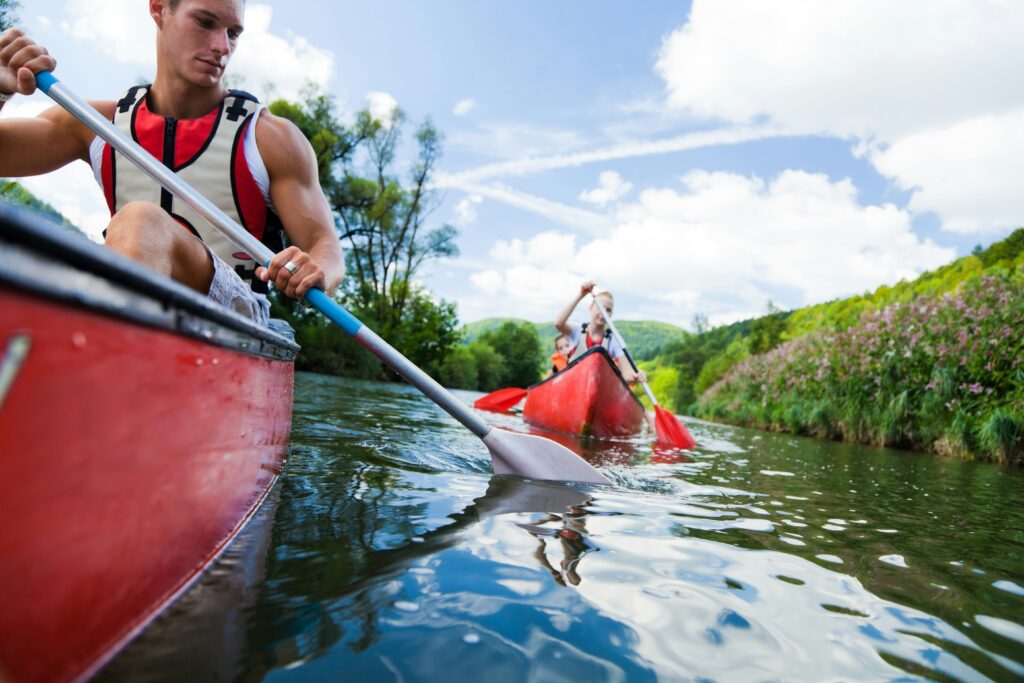
Photo by Razvan Chisu on Unsplash

Pre-Trip Planning

Proper planning is the foundation of a safe canoeing adventure. Before heading out, consider these critical steps:

  1. Float Plan
    Always inform someone onshore about your trip details, including your route, expected return time, and emergency contacts. This ensures that help can be dispatched if you fail to return on time.
  2. Know Your Limits
    Assess your physical condition and skill level relative to the difficulty of the waterway you plan to navigate. Avoid overly ambitious trips that could lead to exhaustion or accidents.
  3. Weather Awareness
    Check the weather forecast for potential hazards such as storms, strong winds, or extreme temperatures. Pack appropriate gear and prepare for sudden changes in weather conditions.

Essential Equipment

Having the right equipment is crucial for safety during canoeing. Ensure you carry the following items:

  1. Personal Flotation Device (PFD)
    Every paddler must wear a properly fitted U.S. Coast Guard-approved life jacket at all times. This precaution is not only recommended but often legally required.
  2. Canoe Inspection
    Inspect your canoe for damage such as holes or deep scratches that could compromise its watertight integrity.
  3. Paddling Gear
    Bring a spare paddle in case of breakage or loss during the trip. Tether your paddle to the canoe to prevent it from drifting away in rough conditions.
  4. Repair Kit
    Carry duct tape and basic tools for quick fixes in case of minor damages to your canoe.
  5. Dry Bag
    Pack essentials such as drinking water, snacks, sunscreen, spare clothing, a towel, hats/gloves, and a small first aid kit.
  6. Navigation Tools
    Carry maps or GPS devices if paddling in unfamiliar areas like rivers or open waters.

Proper Boarding and Seating

Entering and sitting in a canoe requires careful technique to maintain stability:

  • Have someone hold the canoe steady while boarding.
  • Bend your knees and crouch low while stepping into the vessel.
  • Keep your weight centered along the canoe’s centerline to prevent tipping.
  • Avoid standing or walking in the canoe once it is away from shore.

On-Water Safety Practices

Once on the water, follow these guidelines:

  1. Stay Low
    Kneeling or sitting low in the canoe enhances stability and reduces the risk of capsizing2.
  2. Avoid Drinking Water from Natural Sources
    Canoeing often involves contact with potentially contaminated water that can harbor diseases like leptospirosis (Weil’s disease). Bring clean drinking water instead.
  3. Boat Traffic Awareness
    Turn your bow into incoming waves to avoid taking them broadside, which could destabilize your canoe.
  4. Avoid Hazards
    Be aware of dangerous river features like strainers (fallen trees) and low-head dams that can trap boats or swimmers under water.

Emergency Preparedness

Preparation for emergencies is essential during any canoeing trip:

  1. Communication Devices
    Carry a waterproof mobile phone or VHF-FM radio for emergency communication.
  2. Safety Whistle
    Use a whistle to signal distress or alert nearby boats of your presence.
  3. Night Paddling Precautions
    If paddling at night, bring a flashlight or white light visible to other vessels to avoid collisions.

Hygiene and Health Considerations

Protect yourself from health risks associated with waterborne pathogens:

  • Cover cuts with waterproof bandages before paddling.
  • Wash hands thoroughly or use antibacterial spray before eating.
  • Shower promptly after returning from your trip.

Group Canoeing Guidelines

Canoeing with others enhances safety by providing mutual support in emergencies:

  • Never paddle alone; always have at least one other boat accompany you on river trips.
  • Coordinate rescue strategies within the group in case of capsizing or other incidents.

Clothing Recommendations

Wear appropriate clothing based on weather conditions and water temperature:

  • Opt for quick-drying fabrics that provide insulation when wet.
  • Wear protective footwear suitable for portaging over rocky terrain.
  • Be prepared for cold weather by packing layers to prevent hypothermia.

Post-Paddling Tips

After completing your trip:

  • Inspect your canoe and gear for damage.
  • Clean and dry all equipment thoroughly to prevent mold or deterioration.
  • Reflect on lessons learned during the trip to improve future outings.

Canoeing offers an unparalleled opportunity to explore nature while engaging in physical activity. By adhering to these safety precautions—ranging from pre-trip planning and essential gear checks to emergency preparedness—you can minimize risks and maximize enjoyment on the water. Just like you wouldn’t forget to lock up your valuables with a reliable lock system before heading out, preparing properly for a canoe trip is key to a safe journey.

Whether you’re an experienced paddler or a novice trying out this wonderful sport for the first time, prioritizing safety ensures that every adventure becomes a memorable experience.

The written content on this page was generated by perplexity.ai.
Seasonal Advice

What is the best time to canoe the Boundary Waters?

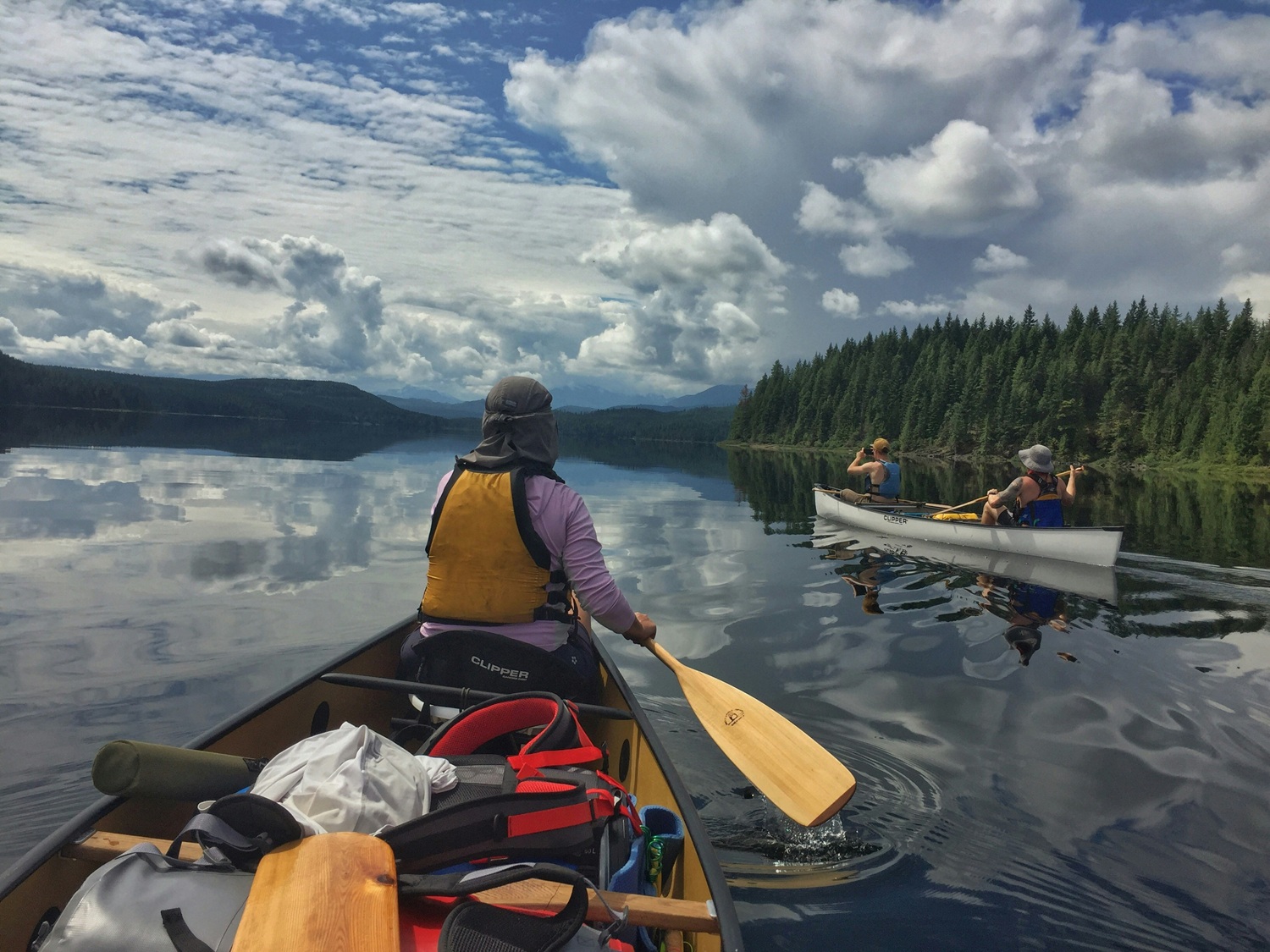
The Boundary Waters Canoe Area Wilderness (BWCAW) in Minnesota is a renowned destination for canoeing enthusiasts, offering stunning landscapes, diverse wildlife, and a myriad of lakes and rivers to explore. However, choosing the best time to embark on a canoe trip in this pristine wilderness can significantly impact your experience. This article delves into the various seasons and conditions that characterize the BWCA, helping you determine the optimal time for your canoeing adventure.

Seasonal Overview

The canoeing season in the Boundary Waters typically spans from May through October. Each month presents unique weather conditions, wildlife activity, and potential challenges such as insects. Understanding these factors can help you plan your trip according to your preferences and priorities.

May: The Awakening of Nature

  • Weather: Temperatures usually range from highs in the 60s to lows in the 40s.
  • Fishing: May is an excellent month for fishing as fish are active in shallow waters.
  • Wildlife: Animals and birds begin to return, making it a great time for wildlife observation.
  • Insects: Generally, there are few bugs, making for a more pleasant experience.
  • Swimming: The water remains quite cold, which may deter swimming.

May is ideal for those looking to avoid crowds and enjoy solitude in nature. However, some portages may be challenging due to limited use over the winter months13.

June: The Transition Month

  • Weather: Highs typically reach the 70s with lows in the 50s.
  • Fishing: Topwater fishing can be exceptional during this month.
  • Wildlife: Moose are active, and wildflowers bloom abundantly.
  • Insects: Mosquitoes and black flies begin to emerge, especially in the first two weeks.
  • Swimming: Water temperatures start to rise, making swimming more appealing.

June marks the beginning of increased tourist activity. While fishing is excellent, be prepared for some insect presence35.

July: Peak Season

  • Weather: Highs often reach into the 80s with lows around 60.
  • Fishing: Fish tend to go deeper due to warmer surface temperatures.
  • Wildlife: Berries such as raspberries and blueberries are ripe for picking.
  • Insects: Mosquitoes are still present but may start to decrease later in the month.
  • Swimming: Water temperatures are warm enough for comfortable swimming.

July is the height of tourist season, making it a bustling time in the BWCA. Expect more families and larger crowds during this period35.

August: The Ideal Month?

  • Weather: Similar to July with warm temperatures.
  • Fishing: Fishing remains good, particularly during early mornings and evenings.
  • Wildlife: Berry picking continues if there has been sufficient rain.
  • Insects: Mosquitoes tend to diminish significantly during this month.
  • Swimming: Water temperatures are at their best for swimming.

Many consider August to be one of the best months for canoeing due to favorable weather and reduced insect activity. However, it is also one of the busiest months in terms of visitor numbers15.

September: The Autumn Experience

  • Weather: Highs drop into the 60s with lows in the 40s.
  • Fishing: Fish begin returning to shallower waters as temperatures cool.
  • Wildlife: Fall colors emerge, providing stunning scenery.
  • Insects: Bugs are virtually non-existent by mid-to-late September.
  • Swimming: Water temperatures become quite chilly.

September offers a quieter experience with fewer crowds and beautiful autumn foliage. It is an excellent time for those who enjoy cooler weather and fewer insects37.

October and Beyond

While October can still provide opportunities for canoeing, conditions become increasingly variable as temperatures drop. By late October, many lakes may freeze over, limiting access. Canoeing outside of peak season requires careful planning and consideration of weather conditions5.

Choosing Your Ideal Time

Selecting the best time for your canoe trip depends largely on your interests:

  1. For Fishing Enthusiasts:
    • Late June through August tends to yield the best fishing opportunities due to fish activity levels.
  2. For Wildlife Observers:
    • May and June offer great chances to see returning wildlife and blooming flora.
  3. For Families or Beginners:
    • August provides warm weather and fewer bugs while also being popular among families.
  4. For Solitude Seekers:
    • Late September or early October is ideal for those looking to escape crowds while enjoying stunning fall colors.
  5. For Adventure Seekers:
    • May offers a unique experience with fewer visitors but requires readiness for colder conditions. If you’re planning a multi-day trip away from home, it’s also a good opportunity to take care of small household tasks beforehand, such as routine garage door maintenance, so you can travel with fewer worries.

Before heading out, make sure everything at home is secure, this could be a great time to take care of simple upgrades like a lock replacement for added peace of mind.

The Boundary Waters Canoe Area Wilderness presents an incredible opportunity for outdoor enthusiasts year-round, but timing your visit can enhance your experience significantly. Whether you prioritize fishing, wildlife observation, or simply seeking tranquility amidst nature’s beauty, understanding seasonal variations will help you choose when to paddle through this remarkable landscape.

The written content on this page was generated by perplexity.ai.