Best Canoeing Spots

Tranquil Paddles: Canoeing Across Lake Nokomis

Nestled in the heart of Minneapolis, Lake Nokomis is a shimmering urban oasis that beckons outdoor enthusiasts and city dwellers alike. While the city’s Chain of Lakes often steals the spotlight, Nokomis offers a unique blend of tranquility, accessibility, and natural beauty—making it an ideal destination for those seeking a peaceful canoeing experience without leaving the city limits. This article explores the serene world of paddling across Lake Nokomis, from the rhythmic dip of your paddle to the vibrant community that thrives along its shores.

The Allure of Lake Nokomis

Lake Nokomis spans over 210 acres of water, surrounded by more than 400 acres of parkland. Its size provides ample space for paddlers to explore, whether you’re seeking solitude or a shared adventure with friends. Unlike some of the busier lakes in Minneapolis, Nokomis is known for its peaceful ambiance and lack of powered boats, ensuring a quiet, safe environment for canoeists and kayakers.

A Place for Everyone

Visitors consistently praise Nokomis for its clean waters and welcoming atmosphere. Whether you’re a seasoned paddler or a first-timer, the lake’s gentle shoreline and accessible launch sites make it easy to get started. Wheel Fun Rentals, located at the main beach, offers affordable canoe, kayak, and paddleboard rentals, so you don’t need to own your own gear to enjoy the water. For many, their first experience with canoeing or kayaking happens right here, creating lasting memories and a newfound love for paddling.

The Canoeing Experience

Launching Into Calm

Starting your journey is as simple as arriving at the main beach, where a dedicated launch area awaits. Early mornings often offer the calmest waters, with mist rising off the lake and the city slowly coming to life. As your canoe glides away from shore, the sounds of traffic and urban bustle fade, replaced by the gentle splash of your paddle and the calls of local birds.

Exploring the Lake

Lake Nokomis’s oval shape and open water make it easy to navigate, whether you’re aiming for a leisurely circuit or a longer workout. On windy days, paddling can be more challenging, but the lake’s size ensures there’s always a sheltered spot to find calmer water. The absence of motorized boats means you can focus on your rhythm and the scenery, rather than dodging wakes or noise.

Wildlife Encounters

Despite its urban setting, Nokomis is teeming with life. Watch for turtles sunning themselves on logs, herons stalking the shallows, and flocks of geese gliding across the surface. The lake’s natural shoreline and adjacent parkland provide habitat for a variety of birds and small mammals, making each paddle a mini nature expedition.

Community and Culture

A Gathering Place

Lake Nokomis is more than just a body of water—it’s a vibrant community hub. Joggers, cyclists, and families populate the trails that encircle the lake, while picnickers and sunbathers enjoy the grassy expanses. The main beach is a focal point for summer activity, with a playground for children and the popular Sandcastle eatery offering refreshments for hungry paddlers.

Events and Traditions

Throughout the summer, Lake Nokomis hosts events that draw paddlers and spectators alike. From canoe races to community festivals, the lake’s shores come alive with music, laughter, and the shared joy of outdoor recreation. These gatherings foster a sense of belonging and highlight the role of urban lakes in bringing people together.

Practical Tips for Canoeing at Lake Nokomis

Rentals and Access

  • Rentals: Wheel Fun Rentals operates at the main beach, providing canoes, kayaks, paddleboards, and pedal boats at reasonable rates.
  • Launch Sites: The primary launch is just south of the beach house, with easy access for both rentals and personal watercraft.
  • Parking: Arrive early, especially on weekends, to secure street parking and avoid fees. The lot can fill quickly on sunny days.

Safety and Comfort

  • Life Jackets: Always wear a properly fitted life jacket, regardless of your swimming ability.
  • Weather: Check conditions before heading out. Wind can create choppy water, especially in the afternoon.
  • Hydration and Sun Protection: Bring water, sunscreen, a hat, and sunglasses. The open water reflects sunlight, increasing the risk of sunburn and dehydration.
  • Buddy System: Paddle with a friend when possible, and let someone know your plans if you go solo.

Eco-Friendly Paddling

  • Leave No Trace: Pack out all trash and avoid disturbing wildlife or shoreline vegetation.
  • Reef-Safe Sunscreen: Choose mineral-based sunscreens to protect the lake’s ecosystem.
  • Respect Wildlife: Observe animals from a distance and never feed or approach them.

The Magic of Urban Nature

One of Lake Nokomis’s greatest charms is its ability to transport paddlers from city life into a world of natural calm. As you drift across the lake, skyscrapers recede behind a curtain of trees, and the only reminders of the city are the distant hum of traffic or the occasional airplane overhead. This juxtaposition of urban and natural environments makes canoeing here a truly unique experience.

Solitude and Connection

For many, paddling on Nokomis is a form of meditation—a chance to disconnect from screens, schedules, and stress. The repetitive motion of paddling, the gentle sway of the canoe, and the endless horizon of water create a sense of peace that’s hard to find elsewhere. At the same time, the lake’s popularity ensures you’re never far from fellow adventurers, offering opportunities for both solitude and social connection.

Beyond Canoeing: Embracing the Lake Lifestyle

While canoeing is a highlight, Lake Nokomis offers a wealth of other activities. The 2.7-mile pedestrian and 2.78-mile bike trails are perfect for a post-paddle stroll or ride. Fishing piers, picnic areas, and playgrounds provide options for families and groups. After your paddle, reward yourself with a treat from Sandcastle or explore the nearby neighborhoods, each with their own character and charm.
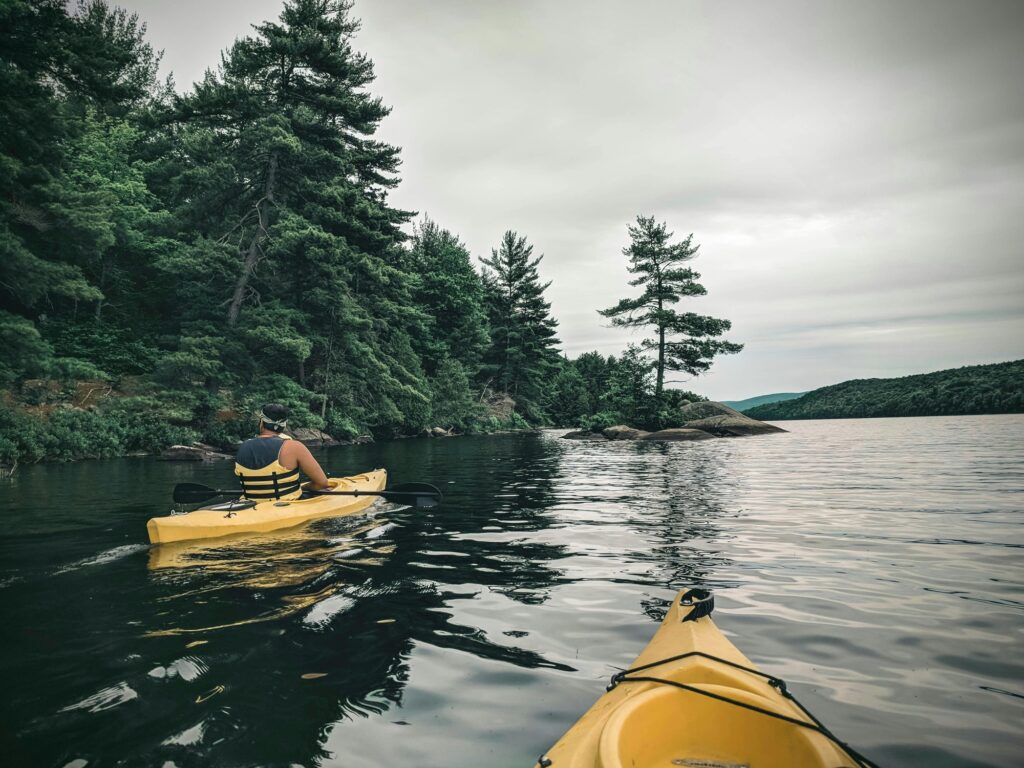
Photo by Ali Kazal

Reflections from the Water

Paddling across Lake Nokomis is more than just a recreational outing—it’s a journey into the heart of Minneapolis’s natural heritage. The lake’s quiet beauty, accessible amenities, and welcoming community make it a haven for both locals and visitors. Whether you’re gliding through morning mist or basking in the glow of a summer sunset, each trip offers new discoveries and a deeper appreciation for the simple pleasures of life on the water.

The written content on this page was generated by perplexity.ai.

Lake Nokomis stands as a testament to the power of urban nature—an accessible escape where paddlers can find tranquility, adventure, and connection. As you dip your paddle and set out across its calm waters, you become part of a tradition that spans generations. So next time you crave a break from city life, remember that serenity awaits just beyond the shoreline, where the gentle rhythm of your paddle leads you into a world of peaceful discovery—just like the peace of mind you get when a trusted Minneapolis locksmith keeps your home or cabin secure while you’re away.
Safety & Navigation

What safety precautions should be taken when handling and storing paddles?

Paddle sports enthusiasts know that their equipment is an investment worth protecting. Proper handling and storage of paddles not only extends their lifespan but also ensures safety during use. Here are key safety precautions to consider when handling and storing your paddles:

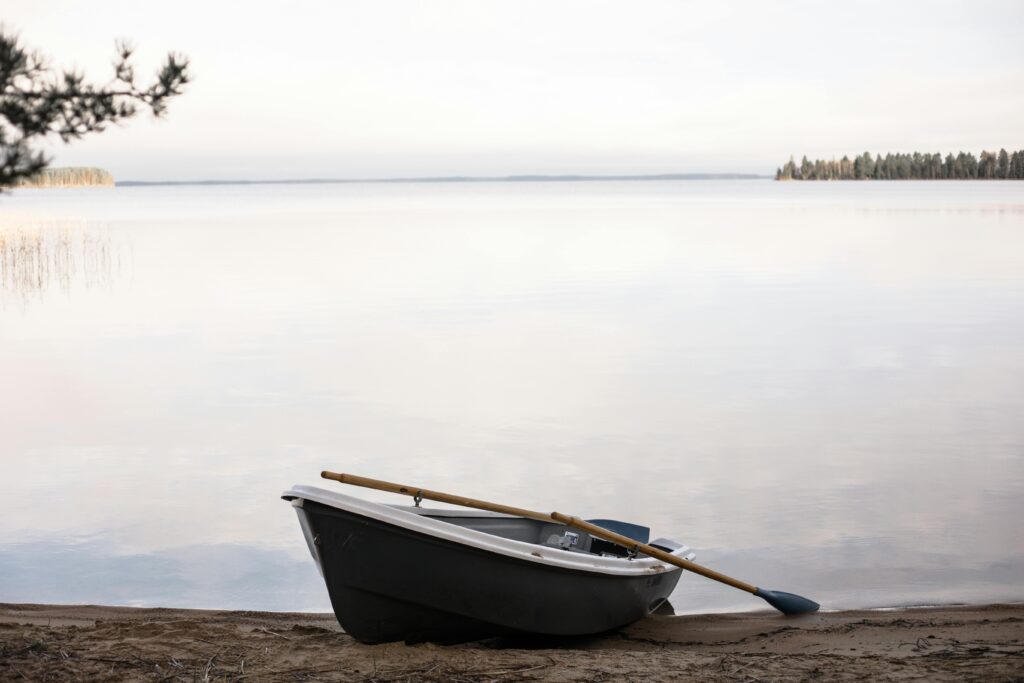
Photo by KATRIN BOLOVTSOVA

Inspection and Maintenance

Before each use, carefully inspect your paddle for any signs of damage. Look for cracks, splits, or loose components that could compromise its integrity. Regular maintenance, including cleaning and drying after use, prevents deterioration and ensures the paddle remains in top condition.

Detailed Inspection Checklist

  1. Visual Inspection: Check for any visible cracks or splits in the shaft or blade. Pay particular attention to areas around the handle and where the blade meets the shaft.
  2. Component Check: Ensure all components, such as the ferrule (if applicable), are securely attached and functioning properly. For adjustable paddles, verify that the locking mechanism is secure.
  3. Material Condition: Inspect the material for signs of wear, such as fading, softening, or brittleness. These changes can indicate degradation due to exposure to UV light or water.
  4. Blade Edges: Check the edges of the blade for any chips or cracks. Sharp edges can be dangerous and should be smoothed out.
  5. Shaft Condition: Check the shaft for any dents or bends. These can affect the paddle’s balance and performance.

Maintenance Tips

  1. Cleaning: After each use, clean your paddle with mild soap and water. Avoid using harsh chemicals or abrasive cleaners that could damage the materials.
  2. Drying: Allow the paddle to dry completely before storage. This prevents mold growth and keeps the materials from deteriorating.
  3. Storage Preparation: Apply a protective coating to wooden paddles to maintain their finish and protect them from moisture.
  4. Regular Lubrication: For paddles with moving parts, such as adjustable ferrules, apply a small amount of silicone-based lubricant to keep them functioning smoothly.

Proper Storage Techniques

Store your paddle in a cool, dry place away from direct sunlight. UV rays can degrade materials over time, affecting the paddle’s performance and durability. Consider using padded racks or straps to suspend the paddle, protecting it from warping or damage.

Storage Options

  1. Padded Racks: Use racks specifically designed for paddles, which often include padding to protect the shaft and blade.
  2. Straps and Hooks: Hang paddles from sturdy hooks using straps or clips. This keeps them off the floor and prevents bending.
  3. Paddle Bags: Store paddles in protective bags when not in use. These bags provide additional protection against dust and UV exposure.
  4. Climate Control: If possible, store paddles in a climate-controlled environment to maintain consistent humidity and temperature levels.

Tips for Long-Term Storage

  1. Avoid Extreme Temperatures: Do not store paddles in areas prone to extreme heat or cold, as this can cause materials to degrade.
  2. Protect from Rodents: Store paddles in a secure location to prevent damage from rodents or other pests.
  3. Label and Organize: Label each paddle and organize them by type or size to ensure easy identification and access.

Transportation Safety

When transporting paddles, use appropriate padding or covers to prevent scratches or impacts. Secure them properly to avoid shifting during transit, which could lead to damage or safety hazards.

Transportation Methods

  1. Paddle Bags and Covers: Use padded bags or covers specifically designed for paddles. These provide protection against scratches and impacts.
  2. Securing in Vehicles: When transporting paddles in a vehicle, secure them tightly to prevent movement. Use straps or bungee cords to keep them in place.
  3. Roof Racks: If using roof racks, ensure paddles are securely tied down with straps or clips. Cover them with a protective cover to shield against wind and debris.
  4. Soft Cases: Consider using soft, padded cases for transporting paddles. These provide excellent protection and are often easier to handle than hard cases.

Safety Precautions During Transport

  1. Avoid Overloading: Do not overload your vehicle with too many paddles, as this can lead to shifting and potential damage.
  2. Protect from Weather: If transporting paddles in open vehicles or on roof racks, cover them to protect against rain or sun exposure.
  3. Regular Checks: During long trips, periodically check on the paddles to ensure they remain secure and undamaged.

Handling with Care

Always handle paddles with clean, dry hands to maintain grip and control. Avoid dropping or striking paddles against hard surfaces, as this can cause unseen structural damage.

Handling Techniques

  1. Grip and Control: Hold the paddle with a firm but not overly tight grip. This helps maintain control while preventing excessive strain on the shaft.
  2. Lifting and Carrying: When lifting or carrying paddles, do so carefully to avoid accidental drops. Use both hands for support if the paddle is heavy or long.
  3. Avoiding Impact: Be mindful of your surroundings to avoid striking the paddle against rocks, trees, or other hard objects.
  4. Storage and Retrieval: When storing or retrieving paddles, handle them gently to prevent scratches or dents.

Tips for Safe Handling

  1. Practice Good Posture: Maintain good posture when handling paddles to avoid straining your back or shoulders.
  2. Use Assistance: If handling large or heavy paddles, consider enlisting help to prevent accidents.
  3. Cleanliness: Regularly clean your hands before handling paddles to prevent dirt or oils from affecting grip or material condition.

Environmental Considerations

After use in saltwater, rinse paddles thoroughly with fresh water to prevent corrosion and material degradation. Allow them to dry completely before storage to prevent mold growth.

Post-Use Care

  1. Rinsing: Immediately rinse paddles with fresh water after use in saltwater. This helps remove salt residue that can cause corrosion.
  2. Drying: Allow paddles to air dry completely before storage. This prevents moisture buildup and mold growth.
  3. Cleaning Solutions: For stubborn salt residue, use a mild cleaning solution specifically designed for paddles. Avoid harsh chemicals that could damage materials.
  4. Material Protection: Apply a protective coating to materials prone to corrosion or degradation, such as aluminum or carbon fiber.

Environmental Impact

  1. Responsible Disposal: When disposing of old paddles, do so responsibly. Consider recycling or donating them if still usable.
  2. Sustainable Materials: Opt for paddles made from sustainable materials when possible. This supports environmentally friendly manufacturing practices.
  3. Minimize Waste: Avoid unnecessary packaging and waste when purchasing paddles. Choose products with minimal or biodegradable packaging.

Safety Equipment Integration

When storing paddles, consider keeping them near other essential safety gear like life jackets and first aid kits. This organization ensures all necessary equipment is readily accessible for your next paddling adventure.

Safety Gear Checklist

  1. Life Jackets: Ensure that life jackets are Coast Guard-approved and properly maintained.
  2. First Aid Kits: Keep a well-stocked first aid kit nearby, including essentials like bandages, antiseptic wipes, and pain relievers.
  3. Communication Devices: Store communication devices such as cell phones, two-way radios, or flares in an easily accessible location.
  4. Navigation Tools: Keep navigation tools like compasses, GPS devices, and maps organized and ready for use.
  5. Emergency Supplies: Include emergency supplies like flashlights, whistles, and emergency blankets in your storage area.

Organizational Tips

  1. Labeling: Label each piece of equipment clearly so it can be quickly identified.
  2. Accessibility: Store safety gear in an easily accessible location to ensure it can be retrieved quickly in case of an emergency.
  3. Regular Checks: Regularly inspect safety gear to ensure it remains in good condition and is ready for use.

By following these safety precautions, you’ll not only protect your investment but also ensure that your paddles remain safe and reliable for years of enjoyable use on the water.

The written content on this page was generated by perplexity.ai.