Canoe Types and Equipment

What are the different types of indigenous canoes?

Indigenous canoes are remarkable examples of human ingenuity, shaped by the environment and cultural needs of the communities that created them. Across North America, Indigenous peoples developed various types of canoes tailored to specific waterways, climates, and purposes. These vessels were not only practical for transportation, fishing, and trade but also deeply symbolic, representing cultural identity and craftsmanship. This article explores the different types of Indigenous canoes, including dugout canoes, birchbark canoes, reed canoes, and plank canoes.
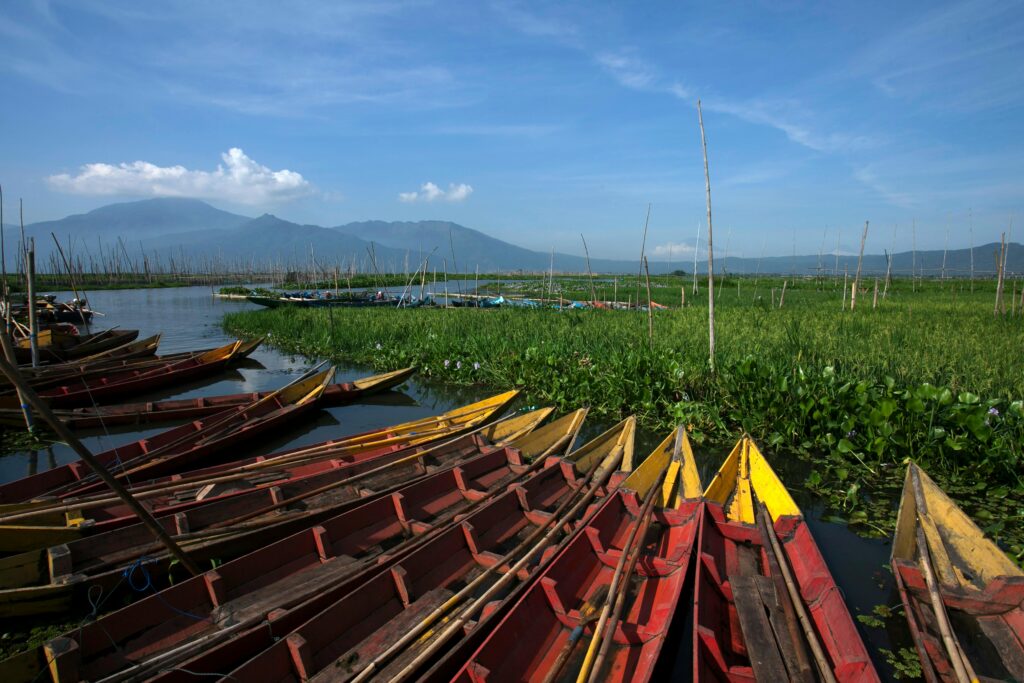
Photo by Jeffry S.S.

1. Dugout Canoes

Dugout canoes are among the oldest and most widespread types of Indigenous watercraft. They were crafted by hollowing out large logs and were particularly popular in regions with abundant large trees, such as the Pacific Northwest.

Construction

  • Dugout canoes were typically made from softwoods like cedar or basswood. The massive red cedar was especially prized for its durability and workability.
  • Builders used tools such as stone mauls, chisels made from bone or antler, and controlled burning to shape the log.
  • The interior was hollowed out using adzes, while hot water and wooden spreaders were employed to expand the canoe’s beam.

Regional Variations

  • Northern Style (Pacific Northwest): These canoes featured a rounded hull, flaring sides, and high stem and stern projections. They were designed for ocean travel and could carry up to 60 people or large cargo loads.
  • Southern Style (Chinook): These canoes had a V-shaped hull with flared-out sides and a projecting prow resembling an animal snout. They were used for coastal trade and whaling.

Dugout canoes were often elaborately decorated with animal designs using red ochre and black char. While they largely disappeared with the advent of modern boats, some communities still use them for ceremonial purposes or racing events today.

2. Birchbark Canoes

Birchbark canoes are iconic watercraft of the Eastern Woodlands tribes, perfectly suited for navigating shallow rivers, lakes, and streams. They became widely used by fur traders in Canada during the 17th century.

Construction

  • The hull was made from sheets of birch bark sewn together with spruce or pine roots.
  • Frames were constructed from cedar wood bent into shape after being soaked in water.
  • Seams were waterproofed with hot spruce or pine resin applied regularly during travel.

Types of Birchbark Canoes

  • Canot du Maître: Large cargo canoes used in the fur trade; they could carry up to three tons of goods.
  • Lightweight Canoes: Smaller versions designed for personal travel or fishing.

Birchbark canoes were lightweight yet durable, making them easy to portage between waterways. Their design has changed little over centuries and remains a symbol of Canadian heritage.

3. Reed Canoes

Reed canoes were constructed by weaving bundles of reeds together into a boat-like shape. These vessels were primarily used by tribes living near marshlands or along calm rivers.

Construction

  • Reed bundles were tightly bound together using plant fibers or sinew.
  • The resulting canoe was lightweight but less durable than wooden counterparts.

Usage

Reed canoes were ideal for short trips in calm waters and were often used for fishing or gathering aquatic plants. They have largely disappeared due to their fragility but remain an important part of Indigenous boatmaking traditions.

4. Plank Canoes

Plank canoes represent some of the most advanced Indigenous boatbuilding techniques in North America. Used by tribes like the Chumash of California, these vessels enabled long-distance ocean travel.

Construction

  • Redwood logs were split into planks using wedges made from antlers or whale bone.
  • Planks were sewn together using plant fibers or sinew and sealed with natural resins to make them watertight.

Significance

Plank canoes allowed coastal tribes to establish trade networks across vast distances, including journeys to offshore islands. They are considered one of the most sophisticated forms of Indigenous watercraft.

Cultural Importance of Indigenous Canoes

Indigenous canoes are more than just tools for transportation—they hold deep cultural significance:

  1. Symbolism: Canoes often feature carvings or paintings that reflect tribal identity, spiritual beliefs, or clan affiliations.
  2. Community Building: The construction process involved multiple members of a community working together, fostering collaboration and passing down traditional knowledge.
  3. Ceremonial Use: Canoes play a central role in events like the annual Canoe Journey among Pacific Northwest tribes, where paddlers travel between tribal territories as part of a cultural revival.

The diversity of Indigenous canoe designs reflects the adaptability and ingenuity of Native peoples across North America. Whether crafted from massive cedar logs or delicate birch bark sheets, these vessels exemplify how humans have harmonized with nature to meet their needs. Today, efforts to preserve traditional canoe-making techniques highlight their enduring legacy as both functional tools and cultural treasures.

Canoe Types and Equipment

What are the different types of canoes?

Canoes, those elegant and versatile watercraft, have been a vital part of human history for millennia. From their origins as essential tools for transportation, hunting, and fishing to their modern role as recreational vessels, canoes have adapted and diversified to meet a wide range of needs and environments. This article explores the fascinating world of canoes, delving into the different types available, their unique characteristics, and their suitability for various paddling adventures.

A Brief History of the Canoe

The history of the canoe stretches back thousands of years, with evidence of early canoes found across the globe. Indigenous peoples in North America, South America, and Oceania developed sophisticated canoe designs using materials like bark, dugout logs, and animal hides. These early canoes were essential for navigating rivers, lakes, and coastal waters, facilitating trade, migration, and access to vital resources.

European explorers and traders quickly recognized the value of canoes in the New World, adopting them for fur trading and exploration. The birchbark canoe, in particular, became a symbol of the fur trade era in North America, known for its lightweight construction and ability to navigate shallow and rocky waterways.

Over time, canoe designs evolved, incorporating new materials like wood canvas, aluminum, fiberglass, and polyethylene. These advancements made canoes more durable, affordable, and accessible to a wider range of users, leading to the development of specialized canoe types for different purposes.

Classifying Canoes: A Look at Key Characteristics

Before diving into specific canoe types, it’s helpful to understand the key characteristics that differentiate them:

  • Hull Shape: The shape of the canoe’s hull significantly impacts its stability, speed, and maneuverability. Common hull shapes include flat, shallow arch, shallow V, and rounded.
  • Length: Canoe length affects its speed and carrying capacity. Longer canoes generally track straighter and are faster, while shorter canoes are more maneuverable.
  • Width: The width of a canoe influences its stability. Wider canoes are more stable, while narrower canoes are faster and easier to paddle.
  • Material: The material used to construct a canoe affects its weight, durability, and cost. Common materials include polyethylene, aluminum, fiberglass, wood, and composite materials.
  • Rocker: Rocker refers to the curvature of the canoe’s keel line. More rocker makes a canoe more maneuverable, while less rocker makes it track straighter.
  • Symmetry: Symmetrical canoes have identical bow and stern shapes, making them easy to paddle in either direction. Asymmetrical canoes have different bow and stern shapes, optimizing them for forward paddling.

Types of Canoes

1. Recreational Canoes

Recreational canoes are the most common type of canoe, designed for general-purpose paddling on calm lakes, rivers, and streams. They are typically stable, easy to paddle, and suitable for beginners.

  • Characteristics: Recreational canoes typically have a wide beam (width) for stability, a flat or shallow-arch hull for good tracking, and are made from durable materials like polyethylene or aluminum. They often feature comfortable seating and ample storage space for gear.
  • Ideal For: Recreational paddling, family outings, leisurely trips on calm water, and beginners.
  • Pros: Stable, easy to paddle, affordable, durable.
  • Cons: Not as fast or efficient as other types of canoes, not suitable for rough water.

2. Tripping Canoes

Tripping canoes, also known as touring canoes, are designed for longer expeditions and overnight trips. They are built for speed, efficiency, and carrying capacity.

  • Characteristics: Tripping canoes are typically longer and narrower than recreational canoes, with a more efficient hull shape for better tracking and speed. They are often made from lightweight materials like fiberglass or composite materials to reduce weight. They also feature ample storage space for gear and supplies.
  • Ideal For: Multi-day canoe trips, wilderness expeditions, paddling on large lakes and rivers.
  • Pros: Fast, efficient, good tracking, high carrying capacity.
  • Cons: Less stable than recreational canoes, more expensive, requires more paddling skill.

3. Whitewater Canoes

Whitewater canoes are specifically designed for navigating rapids and turbulent water. They are built to be maneuverable, durable, and able to handle challenging conditions.

  • Characteristics: Whitewater canoes are typically shorter and wider than other types of canoes, with a pronounced rocker for maneuverability. They are made from extremely durable materials like polyethylene or composite materials to withstand impacts with rocks. They often feature specialized outfitting, such as thigh straps and airbags, to enhance control and safety.
  • Ideal For: Paddling rapids, navigating rocky rivers, whitewater playboating.
  • Pros: Highly maneuverable, durable, designed for challenging conditions.
  • Cons: Less efficient on flat water, requires specialized skills and equipment, can be less comfortable for long trips.

4. Racing Canoes

Racing canoes are designed for speed and performance in competitive events. They are built to be lightweight, efficient, and aerodynamic.

  • Characteristics: Racing canoes are typically very long and narrow, with a sleek hull shape for minimal drag. They are made from lightweight materials like carbon fiber or Kevlar to maximize speed. They often feature specialized outfitting, such as foot braces and adjustable seats, to optimize paddling efficiency.
  • Ideal For: Canoe racing, competitive paddling, fitness training.
  • Pros: Extremely fast, efficient, designed for peak performance.
  • Cons: Very unstable, requires advanced paddling skills, not suitable for recreational use.

5. Prospector Canoes

Prospector canoes are a classic design inspired by the canoes used by fur traders and explorers in the Canadian wilderness. They are known for their versatility, stability, and ability to handle a variety of conditions.

  • Characteristics: Prospector canoes typically have a symmetrical hull shape, moderate rocker, and ample depth for carrying gear. They are often made from durable materials like wood canvas or composite materials. They are well-suited for both flatwater and whitewater paddling.
  • Ideal For: Wilderness trips, exploring remote areas, paddling in varied conditions.
  • Pros: Versatile, stable, good carrying capacity, can handle both flatwater and whitewater.
  • Cons: Not as fast as tripping canoes, can be heavy.

6. Square Stern Canoes

Square stern canoes feature a flat, squared-off stern that allows for the attachment of a small outboard motor. They are often used for fishing, hunting, and general transportation on lakes and rivers.

  • Characteristics: Square stern canoes typically have a wide beam for stability and a reinforced stern to support the weight and thrust of a motor. They are often made from durable materials like aluminum or polyethylene.
  • Ideal For: Fishing, hunting, transportation, paddling with a motor.
  • Pros: Can be motorized, stable, good for fishing and hunting.
  • Cons: Less efficient for paddling than other types of canoes, can be noisy with a motor.

7. Inflatable Canoes

Inflatable canoes are a relatively recent innovation, offering a lightweight and portable option for paddling. They are made from durable, inflatable materials like PVC or Hypalon.

  • Characteristics: Inflatable canoes can be easily deflated and packed into a compact size for storage and transport. They are typically stable and easy to paddle, making them suitable for recreational use on calm water.
  • Ideal For: Travel, recreational paddling, situations where storage space is limited.
  • Pros: Lightweight, portable, easy to store, relatively stable.
  • Cons: Less durable than hard-shell canoes, can be affected by wind, may require more effort to paddle.

Choosing the Right Canoe

Selecting the right type of canoe depends on your intended use, skill level, and budget. Consider the following factors when making your decision:

  • Intended Use: What type of paddling will you be doing? (e.g., recreational paddling, tripping, whitewater, fishing)
  • Skill Level: Are you a beginner or an experienced paddler?
  • Water Conditions: What type of water will you be paddling on? (e.g., calm lakes, rivers, rapids)
  • Carrying Capacity: How much gear will you need to carry?
  • Budget: How much are you willing to spend on a canoe?
  • Storage and Transport: How will you store and transport your canoe?

The world of canoes is diverse and fascinating, offering a wide range of options for paddlers of all skill levels and interests. Whether you’re seeking a stable and affordable recreational canoe for family outings, a high-performance tripping canoe for wilderness expeditions, or a specialized whitewater canoe for navigating rapids, there’s a canoe out there that’s perfect for you. By understanding the different types of canoes and their unique characteristics, you can make an informed decision and choose the right vessel for your next paddling adventure.

The written content on this page was generated by perplexity.ai.