Camping & Canoeing Combos

Mississippi River Magic: Canoe and Camp Trips Starting Right from Minneapolis

Imagine gliding silently through glassy waters as the sun rises over the Mississippi River, the air crisp with the scent of pine and wild rice. This isn’t a distant wilderness dream—it’s the magic of the Mississippi, unfolding just minutes from the heart of Minneapolis. The mighty river, North America’s second-longest at 2,340 miles, begins its epic journey here in Minnesota’s “City of Lakes.” For locals and visitors alike, canoe and camp trips offer an accessible gateway to untouched beauty, blending paddling adventure with starry-night bivouacs. No need for long drives or fancy gear; launch right from urban put-ins like the Nicollet Island East Bank or Boom Island Park, and let the current carry you into wild serenity.

Minneapolis sits at the river’s headwaters, where the Upper Mississippi transforms from a gentle urban stream into a paddler’s paradise. The Army Corps of Engineers maintains free launch sites, complete with parking and restrooms, making it dead simple to start. Grab a canoe rental from outfitters like Mississippi River Paddling or REI Co-op downtown—rates start at $40 per day for a solo canoe—and you’re off. These trips suit beginners and experts, with flatwater sections ideal for families or solo reflection. Expect wildlife sightings: bald eagles soaring overhead, otters playing in eddies, and great blue herons stalking shallows. It’s pure Mississippi River magic, where city buzz fades into riparian rhythm.

Why Launch from Minneapolis? The Perfect Starting Point

Minneapolis isn’t just a launchpad; it’s the ideal origin for multi-day canoe and camp odysseys. The river’s upper reaches flow lazily at 2-3 mph, minimizing fatigue while maximizing scenery. Within hours, you’ll pass historic sites like the Pillsbury A-Mill ruins, remnants of the city’s milling empire, before entering lush floodplain forests.

Key advantages include proximity to urban amenities. Stock up on permits, maps, and freeze-dried meals at Midwest Mountaineering or Cabela’s before departing. Minnesota requires no special canoe permits for day trips, but overnight camping demands a free Electronic License (available via the DNR app). Water levels fluctuate seasonally—check USGS gauges online for safe flows (ideal: 5,000-10,000 cfs at St. Paul).

Environmental perks abound. The Mississippi National River and Recreation Area (MNRRA), a 72-mile protected corridor from Dayton to Anoka, safeguards this stretch. Paddling here supports conservation: your presence highlights the river’s role in filtering Midwest rainwater and sustaining 10% of U.S. bird species.

Planning Your Canoe Trip: Gear, Routes, and Safety Essentials

Success hinges on smart prep. If you’re leaving your home or vehicle behind for multiple days, it’s also wise to take basic security precautions such as scheduling a lock and rekey service to ensure your property stays protected while you’re away.

Start with a 16-17 foot canoe for stability—Old Town or Wenonah models excel on the Mississippi’s occasional wind chop. Essential gear includes:

  • PFDs and safety kit: U.S. Coast Guard-approved life jackets for all, plus whistle, bilge pump, and throw rope.
  • Navigation tools: Waterproof Mississippi River map from Rivers.gov, GPS app like Gaia, and compass. Cell service dips in remote sections.
  • Camp setup: Lightweight tent (e.g., MSR Hubba), sleeping pad, bug netting (mosquitoes peak June-August), and bear bag for food storage—black bears roam upstream islands.
  • Food and water: Filter river water with a Sawyer Squeeze; pack high-calorie bars, nuts, and a camp stove for ethical fires (use established rings only).

Top beginner routes from Minneapolis:

  1. Day Trip: Boom Island to Lock & Dam No. 1 (10 miles). Paddle past the Stone Arch Bridge, navigate the first lock (free, operator-assisted), and picnic on Pig’s Eye Island. Return via shuttle or current.
  2. Overnight: Minneapolis to Coon Rapids Dam (25 miles). Camp at Rice Creek Chain of Lakes Park; spot beavers and muskrats.
  3. Multi-Day Epic: Twin Cities to Red Wing (72 miles, 4-5 days). Hit Frontenac State Park for bluffs rising 400 feet; camp on sandy islands like Wabasha-St. Paul.

Weather rules: Summer highs hit 85°F; spring/fall offer solitude but hypothermia risks. Wind against current creates chop—paddle early mornings.

Safety first: File a float plan with friends via the DNR’s Trip Planner. Watch for barges (give wide berth), submerged logs, and powerboats. Hypothermia kills more paddlers than drownings—wear wool layers under PFDs.

Prime Camping Spots Along the Upper Mississippi

The river’s islands and backwaters host dispersed camping gems, free under Minnesota’s “leave no trace” ethos. Designated sites cluster in state parks and Wildlife Management Areas (WMAs).

  • Island hopping near Anoka: Merkaman Island offers gravel beaches for tenting amid cottonwoods. Firewood drifts ashore; cook walleye fresh-caught (limit: 6 per day).
  • Coon Rapids to Rum River confluence: WMAs like Sand Creek allow primitive sites. Dawn chorus of songbirds wakes you to fog-shrouded marshes.
  • Lock & Dam No. 2 to Hastings: Verdant bluffs frame sites at Spring Lake Park Reserve. Hike trails for overlooks; stargaze without light pollution.

Further afield, Red Wing’s Prairie Island delivers sandy spits perfect for beach fires. Lock through dams 2-4 (call ahead for schedules), and savor small-town breweries upon return. Pro tip: Time trips for the Perseid meteor shower in August—nights feel enchanted under 100+ shooting stars per hour.

Immersing in Mississippi River Magic: Wildlife, History, and Soul-Renewing Moments

Beyond logistics, these trips ignite wonder. Paddle at dusk for the “green flash” sunset, or dawn for mist-veiled heron flights. The river pulses with life: 150 fish species, including sauger and paddlefish. Birders tally warblers, pelicans, and trumpeter swans—rare since the 1930s.

History layers the journey. Glide past Fort Snelling, where Zebulon Pike claimed the region in 1805, or Mound Key, sacred to Dakota people for millennia. Abandoned locks whisper of steamboat eras. Modern magic? Solar-powered lighthouses and bald eagle pairs nesting on channel markers—populations rebounded from 400 statewide in 1970 to 1,300 today.

These outings restore the spirit. Disconnecting from Minneapolis’s skyline hum sharpens senses: the paddle’s drip, wind in wild iris, coyote howls at midnight. Studies from the University of Minnesota show wilderness immersion slashes stress hormones by 20%, boosting creativity. Families bond over shared portages; solo paddlers find clarity in the current’s flow.

Tips from Seasoned Paddlers and Conservation Notes

Local experts from the Mississippi Paddle Club swear by group floats for safety and stories. Join their monthly outings via Meetup. Women-led groups like Women on the Water offer empowering clinics.

Sustainability matters: Pack out micro-trash, bury waste 6 inches deep (100 feet from water), and avoid soap in streams. Support the Mississippi River Fund via optional DNR donations—funds restore habitats battered by floods and invasives like carp.

Budget breakdown for a 3-day solo trip: $150 canoe rental, $50 gear/food, $20 gas/parking—under $250 total. Families scale up affordably.

Extend the magic year-round: Winter fat-tire biking on frozen sections, or fall foliage floats amid crimson maples.

Wrapping Up the Adventure: Return Renewed

Canoe and camp trips from Minneapolis unlock the Mississippi’s timeless allure—wilderness at your doorstep. Whether chasing sunsets or solitude, the river delivers transformative escapes. Launch today; the current awaits.

The written content on this page was generated by perplexity.ai.
Camping & Canoeing Combos

Exploring the Chain of Lakes: A Canoe-Camping Adventure in the Heart of Minneapolis

If you think you need to drive for hours to find wilderness in Minnesota, think again. In the heart of Minneapolis, adventure is waiting right beyond the skyline. Here, sparkling blue lakes linked by quiet canals create a natural escape where paddlers can glide through calm waters surrounded by trees, wildlife, and the rhythm of the city fading away. Welcome to the Chain of Lakes, a rare place where canoeing and camping meet the convenience of urban life.

For locals and visitors alike, the Chain of Lakes offers a unique way to reconnect with nature without leaving civilization behind. You can paddle for hours, picnic under the sun, camp nearby, and even wake up to a sunrise mirrored on the water—all within a few miles of downtown Minneapolis.

Let’s dive into what makes this canoe-camping adventure one of the most captivating experiences in the Twin Cities.


What Is the Chain of Lakes?

The Chain of Lakes Regional Park, managed by the Minneapolis Park and Recreation Board, is made up of several connected bodies of water in southwest Minneapolis:

  • Bde Maka Ska (formerly Lake Calhoun)
  • Lake of the Isles
  • Cedar Lake
  • Brownie Lake
  • Lake Harriet

Together, these lakes form a paddler’s paradise—a mix of scenic routes, sheltered bays, and peaceful channels where canoes, kayaks, and paddleboards drift between shorelines lined with greenery.

The interconnected waterways allow for continuous canoeing from one lake to the next, offering everything from leisurely floats to full-day paddling adventures. Whether you’re out for a quick morning glide or a full weekend escape, the Chain of Lakes brings the outdoors closer than you ever imagined.


Starting Your Adventure: Where to Launch

The beauty of canoeing the Chain of Lakes is its accessibility. Multiple public launches make it easy to begin your journey wherever you prefer.

  • Bde Maka Ska North Beach and Thomas Beach are two popular starting points with plenty of parking and canoe rentals nearby.
  • Cedar Lake East Beach offers a more tranquil launch for those who want fewer crowds.
  • If you’re bringing your own canoe, the Lake of the Isles Parkway access provides a quick put-in right near some of the city’s most scenic views.

Local outfitters such as Wheel Fun Rentals often provide affordable canoe and kayak rentals right on Bde Maka Ska, making spontaneous adventures possible even for those without their own gear.

Once on the water, you can paddle seamlessly through narrow channels that connect each lake, turning a city day trip into a waterborne journey.


Paddling Through the Lakes

Each lake in the chain offers a slightly different experience, from open expanses perfect for long glides to intimate, tree-lined waters that feel surprisingly remote.

Bde Maka Ska

As the largest lake in the chain, Bde Maka Ska provides plenty of space for longer paddles and open-water practice. You’ll see sailboats, paddleboards, and families enjoying the shoreline paths. Despite the activity, there’s still a sense of serenity on the water—especially in the early morning or late evening, when the lake glows gold under the sun.

Lake of the Isles

Connected to Bde Maka Ska via a peaceful canal, Lake of the Isles is beloved for its natural beauty. With willow-draped shores, elegant homes, and small wooded islands, it’s the most photogenic lake of the bunch. Canoeing here feels like drifting through a painting—birds calling from the trees, gentle ripples, and reflections that blur the line between water and sky.

Cedar Lake

Slip through the channel to Cedar Lake and the urban world fades even further. The north and west shores are lined with trees, giving the illusion of a wilderness far from downtown. Cedar Lake is also a favorite among swimmers, anglers, and picnickers who value its quieter atmosphere.

Brownie Lake

For the truly adventurous, paddle into Brownie Lake, the smallest and most secluded of them all. Surrounded by steep wooded hills, it feels untouched—a rare retreat right in the city. It’s a great spot to pause for a snack, meditate, or simply listen to the hum of the forest mingling with the faint echoes of city life in the distance.


Canoe-Camping Near the Chain of Lakes

While camping directly within the Minneapolis Chain of Lakes isn’t allowed, you can still enjoy a canoe-camping experience nearby. With a short drive—or even a combination of paddling and car camping—you can turn your city canoe trip into a full weekend retreat.

1. Baker Park Reserve (Maple Plain, MN)

Located about 25 miles west of downtown, Baker Park Reserve on Lake Independence is one of the best spots for canoe-camping near Minneapolis. The park offers modern campsites, canoe rentals, and easy water access. Paddle across the lake during the day, then unwind by your campfire under the stars at night.

2. Lebanon Hills Regional Park (Eagan, MN)

Only 30 minutes from the Chain of Lakes, Lebanon Hills is another excellent camping option with canoe-friendly lakes. After a day paddling through Bde Maka Ska and Lake of the Isles, you can head south to Lebanon Hills to spend the night. It’s the perfect way to blend city paddling with rustic relaxation.

3. Rice Creek Chain of Lakes Park Reserve (Lino Lakes, MN)

For a longer canoe-camping trip, head north to Rice Creek Chain of Lakes Park Reserve. This system of lakes and waterways allows for multi-day canoe adventures with designated campsites along the route. It’s a wonderful extension for those who want to experience what the Chain of Lakes might have looked like centuries ago—quiet, untamed, and full of wildlife.


Why the Chain of Lakes Is Perfect for a Canoe-Camping Adventure

There’s something magical about canoeing in a place where nature and city life intertwine so gracefully. You can start your day sipping coffee from a lakeside café, paddle across mirror-like water under an open sky, and end it with dinner by a campfire just outside the city limits.

Here’s why the Chain of Lakes makes such a perfect base for your next canoe-camping adventure:

  • Accessibility: You can be on the water within minutes of downtown Minneapolis.
  • Variety: From open water to secluded inlets, every lake offers a unique paddling experience.
  • Connection: The canal system creates a sense of exploration—you’re always discovering something new.
  • Wildlife: Despite the urban setting, you’ll spot ducks, turtles, herons, and even the occasional deer along the shorelines.
  • Community: The Chain of Lakes attracts outdoor enthusiasts from all walks of life, creating a friendly, adventurous atmosphere.

Whether you’re a seasoned camper or trying out canoeing for the first time, this area makes it easy to fall in love with Minnesota’s outdoor lifestyle.


Tips for a Smooth Adventure

To make the most of your canoe-camping experience around Minneapolis, keep these practical tips in mind:

  1. Start Early or Paddle Late – Early mornings and evenings offer calm waters, fewer crowds, and breathtaking light for photos.
  2. Pack Smart – Even for short trips, bring waterproof bags, sunscreen, snacks, and water. If you’re heading to a nearby campground afterward, pack your camping gear in a separate dry container.
  3. Respect the Waterways – Follow “Leave No Trace” principles. Avoid disturbing wildlife and carry out all trash.
  4. Use a Map or GPS – The lakes are easy to navigate, but channels can be confusing for first-timers.
  5. Check Local Rules – Each lake may have its own regulations regarding motorized boats, rentals, and access points.
  6. Stay Safe – Always wear a life jacket and check the weather before heading out. Sudden storms can roll in quickly in the summer months.

A Day in the Life: Sample Canoe-Camping Itinerary

Here’s how you can turn a simple weekend into a memorable Chain of Lakes canoe-camping adventure:

Saturday Morning:
Start at Bde Maka Ska with a rental canoe. Paddle leisurely through the canal to Lake of the Isles, taking breaks to explore shorelines and snap photos. Enjoy a picnic lunch at one of the park beaches.

Saturday Afternoon:
Continue through the channel into Cedar Lake, where the surroundings feel wilder. Spend the afternoon swimming, fishing, or lounging at Cedar Lake East Beach.

Saturday Evening:
Pack up your gear, drive to Baker Park Reserve, and set up camp for the night. Roast marshmallows by the fire, share stories, and stargaze over Lake Independence.

Sunday Morning:
After breakfast, take one last paddle at Baker before heading home—refreshed, reconnected, and ready for the week ahead.

This itinerary blends urban exploration, paddling, and camping in a way that’s both adventurous and relaxing—a true testament to the versatility of Minneapolis’s outdoors.


The Spirit of the Chain

At its core, the Chain of Lakes represents what makes Minneapolis so special. It’s a city that cherishes its natural beauty, weaving parks and waterways into the urban fabric. Here, you can paddle beneath willow branches with skyscrapers faintly visible in the distance—a reminder that nature doesn’t have to be far away.

For locals, this is a cherished weekend ritual. For visitors, it’s a revelation: the chance to experience the wilderness without losing the comforts of city life. Whether you’re an avid paddler or someone who simply loves quiet moments on the water, the Chain of Lakes delivers something truly unforgettable.


Canoe-camping around Minneapolis isn’t about how far you travel—it’s about how deeply you connect. The Chain of Lakes offers a perfect setting for adventure and reflection alike. It’s where the simplicity of paddling meets the serenity of camping, where the songs of loons echo between trees, and where every stroke of the paddle brings you closer to nature’s rhythm.

So grab your paddle, pack your tent, and set out to explore this urban wilderness. You’ll discover that sometimes, the greatest escapes are the ones waiting right outside your front door.

The written content on this page was generated by perplexity.ai.
Camping & Canoeing Combos

Top Canoe-and-Camp Spots Near Minneapolis for a Weekend Escape

If you live in or around Minneapolis, Minnesota, you don’t have to travel far to find the perfect mix of water, wilderness, and weekend relaxation. The city’s nickname—the City of Lakes—couldn’t be more fitting. Within a short drive, you can paddle tranquil waters, spot loons at dawn, and fall asleep under a sky full of stars. Canoe-and-camping combos near Minneapolis offer a rare opportunity to unwind, reconnect with nature, and experience Minnesota’s outdoors in its purest form.

Photo by Kyle Loftus

Whether you’re a seasoned paddler looking for a remote challenge or a first-timer seeking easy access and comfort, the Twin Cities region is packed with options that fit every style of adventure. Here are some of the best canoe-and-camp spots near Minneapolis for your next weekend escape—each offering a perfect blend of waterway exploration and backcountry charm.


1. Lake Maria State Park – Monticello, MN

Just an hour northwest of Minneapolis, Lake Maria State Park is a hidden gem for those craving peace and quiet. It’s not your typical crowded state park—here, you’ll find paddle-in campsites that make for a true wilderness experience. The lake itself is calm, making it ideal for beginners or those simply seeking tranquility.

Canoeing here feels like slipping into another world. The shoreline is surrounded by old-growth oak forest, and if you paddle early in the morning, you might spot great blue herons or even an eagle gliding above. Once you’ve docked, the campsite awaits—rustic, secluded, and only accessible by canoe or foot.

Why go: Paddle-in seclusion without a long drive.
Tip: Bring bug spray and a lightweight camp stove—there’s no running water at most of the paddle-in sites.


2. Baker Park Reserve – Maple Plain, MN

If you want to combine convenience with adventure, Baker Park Reserve on Lake Independence is a local favorite. Located only 25 miles west of downtown Minneapolis, it’s perfect for families or beginners who want to enjoy a weekend in nature without sacrificing comfort.

Lake Independence offers a smooth paddle with clear waters and several bays to explore. After a morning canoe session, you can relax at one of the modern campsites equipped with showers, fire rings, and picnic tables. Wildlife sightings are common—keep an eye out for white-tailed deer and playful muskrats along the shore.

Why go: A balance of accessibility, amenities, and natural beauty.
Tip: Reserve early during summer weekends—the park is extremely popular with Twin Cities campers.


3. Saint Croix River – Taylors Falls to William O’Brien State Park

For those who dream of paddling through dramatic river bluffs, the St. Croix River delivers. Designated as a National Scenic Riverway, this stretch of water provides one of the most beautiful canoe-camping experiences in Minnesota.

Launch your canoe near Interstate State Park in Taylors Falls and drift southward along the river, surrounded by towering cliffs and dense forests. Campsites dot the riverbanks, and many are only accessible by boat—adding a sense of adventure to your overnight stay.

The flow is gentle enough for most paddlers, but be prepared for light current and occasional rapids. At night, the sounds of the river and crackling campfire set the perfect mood for a peaceful retreat.

Why go: Iconic Minnesota scenery and multiple riverside campsites.
Tip: Always check river levels and weather conditions before launching—safety first.


4. Lake Minnetonka Regional Park – Minnetrista, MN

Though best known for its luxury homes and bustling marinas, Lake Minnetonka has a quieter side perfect for a weekend of paddling and camping. Head toward the Lake Minnetonka Regional Park area, where calm bays and inlets make it easy to explore by canoe.

You can paddle along the shoreline, stop at small islands, and even connect with nearby parks for a scenic picnic or overnight camping. The park offers spacious campsites with fire pits, grills, and nearby trails—ideal for those who want a mix of canoeing, hiking, and relaxation.

Why go: Big-lake adventure close to the city.
Tip: Early mornings are best for paddling before motorboat activity picks up.


5. Rice Creek Chain of Lakes Park Reserve – Lino Lakes, MN

For a trip that feels far more remote than it actually is, Rice Creek Chain of Lakes Park Reserve offers miles of connected waterways, marshes, and lakes—all within a 30-minute drive from Minneapolis.

Launch your canoe at Centerville Lake and paddle through winding channels that link several beautiful lakes. Campsites are available at Wargo Nature Center, and many paddlers choose to set up camp before heading out for a day of exploration.

The area teems with wildlife—turtles sunning on logs, ducks gliding across the water, and the occasional heron standing silently in the reeds. It’s a wonderful choice for families, photographers, and birdwatchers alike.

Why go: Close to the city yet full of wild beauty.
Tip: Bring a map or GPS app—some of the connecting channels can be easy to miss. Also, consider scheduling lock maintenance and repair for your home before you leave so you can paddle worry-free.


6. Rum River State Forest – Near Cambridge, MN

If your idea of the perfect weekend involves quiet solitude and long paddles, the Rum River is calling. Winding from Mille Lacs Lake down toward the Twin Cities, the river passes through lush forests and peaceful farmland.

You can paddle a manageable segment—say, from Cambridge to Isanti—and stop at one of the primitive canoe campsites along the way. The current is gentle but steady, making the trip relaxing while still providing a sense of movement and discovery.

Camp under the stars, cook dinner by the water, and let the rhythm of the river wash away the week’s stress.

Why go: A classic river-camping experience with minimal crowds.
Tip: Water levels can fluctuate—call ahead or check online before your trip.


7. Bde Maka Ska to Lake of the Isles Loop – Urban Paddle and Picnic

Not every canoe-and-camp adventure requires leaving the city. In fact, Minneapolis itself offers one of the most scenic urban paddles in the country. The Chain of Lakes—including Bde Maka Ska, Lake of the Isles, and Cedar Lake—provides connected waterways perfect for a day of canoeing and a night of nearby camping at regional parks.

While you can’t pitch a tent in the heart of the city, several campgrounds just outside Minneapolis, such as Baker Park or Lebanon Hills, are close enough to let you blend an urban paddle with a restful night’s sleep in nature.

Why go: The best of both worlds—city views and natural peace.
Tip: Bring snacks and enjoy a sunset picnic on one of the park beaches.


8. Lebanon Hills Regional Park – Eagan, MN

A favorite among Twin Cities adventurers, Lebanon Hills offers both small canoe-friendly lakes and excellent camping facilities. The main lake, Schulze Lake, is perfect for short, calm paddles, while surrounding trails make it easy to mix in hiking and biking between paddling sessions.

This is an especially good choice for families or beginners looking to practice canoeing skills in a safe environment. Campsites are well-maintained, shaded, and offer amenities like restrooms and fire rings.

Why go: Beginner-friendly water and excellent facilities close to Minneapolis.
Tip: Rent canoes right on-site if you don’t have your own gear.


9. Afton State Park – Hastings, MN

For a more rugged experience, head east to Afton State Park along the St. Croix River. You’ll find backpack-in campsites perched on bluffs above the water and scenic canoe routes that hug the river’s edge.

It’s an ideal spot for adventurous paddlers who want a true escape without a long drive. After a day on the water, hike the trails that wind through prairies and wooded ravines before settling around a campfire under the stars.

Why go: Stunning views and a wilder camping experience.
Tip: Campsites require a short hike in, so pack light and plan ahead.


10. Boundary Waters Preview Trip – Start Small Before You Go Big

While technically a long drive from Minneapolis, many outdoor enthusiasts use local canoe-and-camp trips as training for the Boundary Waters Canoe Area Wilderness (BWCAW). Start your preparation with an overnight paddle trip closer to home—like the St. Croix or Rum River—before tackling Minnesota’s crown jewel of canoe-camping destinations.

Practicing nearby helps you learn how to pack efficiently, navigate waterways, and set up camp comfortably—all skills you’ll need for the Boundary Waters.

Why go: Build confidence and skills for larger canoe-camping adventures.
Tip: Treat every weekend outing as a mini-expedition—it makes even short trips feel special.


Where Water Meets Wild

There’s something timeless about setting out on a canoe with your weekend gear tucked in dry bags and the promise of a night under the stars waiting ahead. The lakes and rivers near Minneapolis make it easy to escape without needing weeks of planning or long drives.

Whether you’re paddling through the peaceful marshes of Rice Creek, gliding past cliffs along the St. Croix, or exploring the urban waterways of the Chain of Lakes, each trip offers its own rhythm—a dance between water, wilderness, and the quiet joy of disconnecting.

So next weekend, leave the city skyline behind. Grab your paddle, pitch your tent, and let the North Star State remind you why they call it the Land of 10,000 Lakes.

The written content on this page was generated by perplexity.ai.
Beginner Guides

How to canoe for beginners?

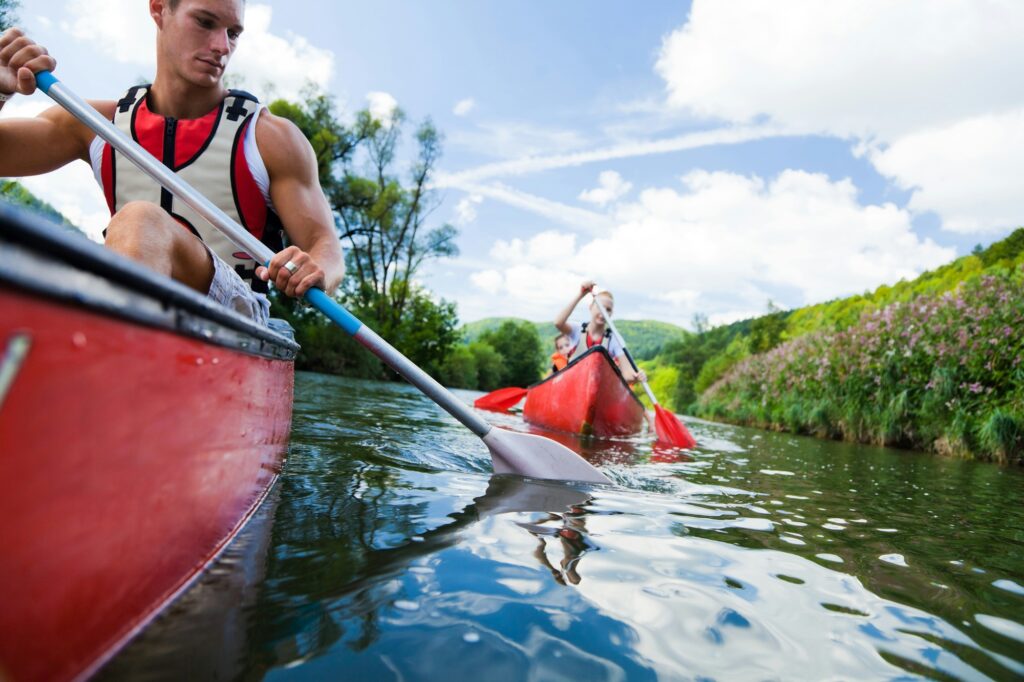
Canoeing is an accessible and rewarding way to explore lakes, rivers, and even gentle rapids. For beginners, learning the basics of canoeing ensures a safer and more enjoyable experience on the water. This guide covers essential tips, techniques, and safety advice to help you get started.

Getting Into the Canoe

Positioning the canoe correctly is crucial for a smooth entry. If launching from a dock or rocky shoreline, place the canoe parallel to the dock or shore. One person should stabilize the canoe by holding onto the gunwales (the sides of the canoe), while the other steps in. Always step one foot at a time into the center line of the canoe, keeping your weight low to maintain balance. Use the gunwales for support as you move, and slide your hands along them for extra stability.

When launching from a beach or shallow shoreline, position the canoe perpendicular to the shore with the bow in the water. The bow paddler enters first, walking carefully to their seat, followed by the stern paddler who pushes the canoe off before stepping in. If you’re solo, enter near the narrower stern, reach across to the far gunwale to balance your weight, and move forward to your seat.

Proper Seating and Balance

Stability in a canoe depends on proper seating and weight distribution. Sit or kneel low and centered in the canoe to lower your center of gravity and maximize stability. Kneeling can provide extra control, especially in rougher water or rapids. When paddling with a partner, the heavier or more experienced paddler should sit in the stern (back), while the lighter paddler takes the bow (front). This helps balance the canoe and makes steering easier.

For solo paddlers, position yourself close to the center of the canoe to keep it balanced. Adjust seat positions according to your needs—seats closer to the ends provide more leverage for turning but may reduce stability, while seats closer to the center offer greater stability and comfort. Seat height also matters: lower seats increase stability, while higher seats make it easier to paddle and maneuver. Many paddlers angle the seat slightly forward for comfort, especially when kneeling.

Essential Paddling Strokes

Forward Stroke
The forward stroke is your primary means of propulsion. Reach forward along the side of the canoe, plant the blade vertically in the water, and pull it straight back toward your hip, using your torso and shoulders for power rather than just your arms. Keep your grip hand at about eye level and focus on smooth, steady strokes for efficiency.

Backward Stroke
To stop or reverse, use the backward stroke. Start with the paddle near your hip and push it forward through the water. This stroke is essential for braking and maneuvering in tight spots.

J-Stroke
The J-stroke is vital for keeping the canoe moving straight, especially for the stern paddler. After a forward stroke, twist your wrist and angle the blade outward in a small “J” shape. This subtle correction helps counteract the natural tendency of the canoe to turn and keeps you on course.

Draw Stroke
The draw stroke moves the canoe sideways, useful for docking or avoiding obstacles. Reach the paddle out over the water, plant the blade, and pull the canoe toward the paddle. To recover, turn the blade perpendicular to the canoe and slice it away from you or lift it out of the water.

Other Useful Strokes

  • Cross Draw Stroke: A variation of the draw stroke, performed on the opposite side by rotating your torso and reaching across the canoe.
  • Stern Pry Stroke: Used at the end of a forward stroke to bring the canoe toward the paddle side, aiding in sharp turns.

Steering and Coordination

Paddling in sync with your partner is key for smooth movement and control. Partners should paddle on opposite sides for balance and to keep the canoe straight. To turn, both paddlers can paddle on the same side, or use a combination of forward and backward strokes on opposite sides. Good communication and rhythm between paddlers make steering easier and more efficient.

Safety Tips

  • Always wear a properly fitted personal flotation device (PFD).
  • Enter and exit the canoe slowly, keeping your weight low and centered.
  • Avoid sudden movements and keep the bulk of the weight in the middle of the canoe.
  • Check weather conditions before heading out and avoid paddling in questionable weather.
  • Know your limits—start in calm, slow-moving waters before progressing to more challenging environments.
  • Be aware of your surroundings and potential hazards like rocks, logs, low-hanging branches, and other boats.
  • Regularly inspect your canoe for leaks, cracks, or damage before each trip.
  • Carry essential safety gear, including a whistle, first aid kit, and rescue equipment.

Practice makes perfect—start on calm, flat water to build your confidence and skills before tackling rivers or rapids. When approaching rapids, look for downstream “V” shapes in the water, which indicate a clear path, and avoid upstream “V” shapes that signal rocks or obstacles. Always stay alert to your environment and enjoy the sense of adventure and connection with nature that canoeing provides.

With these basics, beginners can confidently embark on their canoeing journey, building skills and creating lasting memories on the water.

The written content on this page was generated by perplexity.ai.
Canoeing Guidelines

What are the health and fitness suggestions in doing canoeing and kayaking?

Gliding across the water’s surface with nothing but a paddle and your own strength propelling you forward, canoeing and kayaking offer a unique blend of adventure, serenity, and physical challenge. These water-based activities have gained popularity not just as recreational pursuits but as effective fitness regimens that deliver impressive health benefits. Whether you’re paddling through calm lakes, winding rivers, or challenging ocean waters, canoeing and kayaking provide a holistic approach to wellness that engages both body and mind.

Physical Benefits: A Full-Body Workout on Water

Cardiovascular Health Improvements

Canoeing and kayaking are excellent forms of aerobic exercise that significantly benefit your cardiovascular system. The rhythmic paddling motion elevates your heart rate into the optimal training zone, strengthening your heart and improving circulation throughout your body. Regular paddling sessions can reduce high blood pressure, lower cholesterol levels, and decrease the risk of stroke or heart disease7. As a moderate-intensity activity, paddling for just an hour can provide substantial cardiovascular benefits while being gentler on your body than high-impact exercises.

Photo by Tatjana Dimovska on Unsplash

Muscle Strength and Toning

One of the most significant physical benefits of paddling is the comprehensive muscle engagement it requires. While many assume canoeing and kayaking only work the arms, these activities actually engage multiple muscle groups simultaneously:

  • Upper Body Development: Paddling primarily targets the shoulders, arms, chest, and back muscles. The repetitive paddling motion helps tone and strengthen these muscle groups, creating balanced upper body development.
  • Core Strength: The torso twist action required for efficient paddling directly engages your abdominal muscles and obliques. This rotational movement is essential for generating power and helps develop a strong, stable core.
  • Lower Body Engagement: Surprisingly, kayaking and canoeing also work your legs. Your thigh muscles and calves continuously engage to maintain balance and stability within the craft, especially when navigating rougher waters.

This comprehensive muscle engagement makes paddling an efficient full-body workout that builds functional strength applicable to everyday movements.

Calorie Burning and Weight Management

For those focused on weight management, canoeing and kayaking offer impressive calorie-burning potential. A moderate-intensity paddling session can burn between 300-400 calories per hour, with more vigorous paddling or challenging conditions increasing this number significantly56. At a speed of approximately 5 miles per hour, paddlers can burn nearly 500 calories, making these activities more efficient for calorie expenditure than many traditional exercises78. Extended paddling trips that last several hours can create a substantial caloric deficit, supporting weight loss goals when combined with proper nutrition.

Low-Impact Exercise Benefits

Unlike running or high-impact sports that can stress joints, canoeing and kayaking provide smooth, rhythmic movements that are gentle on the body. This low-impact nature makes paddling especially valuable for:

  • Individuals with joint concerns or arthritis
  • Those recovering from injuries
  • Older adults seeking safe exercise options
  • People looking to cross-train without additional joint stress

The fluid movements actually help improve joint flexibility and mobility over time, as the paddling motion keeps joints lubricated and moving through their range of motion8.

Mental Health Benefits: Paddling for Psychological Wellness

Stress Reduction and Anxiety Relief

Perhaps one of the most immediate benefits paddlers notice is the profound sense of calm that comes from being on the water. The combination of rhythmic paddling, natural surroundings, and distance from everyday stressors creates an ideal environment for mental decompression. Paddling in calm waters has been shown to significantly reduce stress levels and anxiety7. The meditative quality of steady paddling allows practitioners to enter a flow state where worries diminish and present-moment awareness increases.

Mood Enhancement and Depression Management

The physical activity of paddling triggers the release of powerful mood-enhancing neurotransmitters, including dopamine, endorphins, norepinephrine, and serotonin7. These natural chemicals work together to elevate mood, increase feelings of happiness, and combat symptoms of depression. The sense of accomplishment from mastering paddling skills and completing journeys further boosts confidence and self-esteem, creating a positive cycle of psychological benefits.

Cognitive Function and Brain Health

Regular aerobic exercise like canoeing and kayaking promotes increased blood flow to the brain, encouraging the development of new blood vessels and increasing the number of blood cells in the brain. This improved circulation supports cognitive function and may reduce the risk of dementia and age-related cognitive decline. Research suggests that activities combining physical exertion with skill development can actually increase the size of the hippocampus, the brain region responsible for verbal memory and learning.

Nature Connection and Mindfulness

Paddling sports offer a unique opportunity to immerse yourself in natural environments that are often inaccessible by other means. This connection with nature-observing wildlife, listening to water sounds, and experiencing changing landscapes-provides powerful psychological benefits. The natural setting combined with the focused attention required for paddling creates an ideal environment for practicing mindfulness, allowing paddlers to fully disconnect from digital distractions and experience the restorative effects of nature.

Practical Fitness Suggestions for Paddlers

Getting Started: Preparation and Technique

  1. Build a foundation of fitness: Before embarking on longer paddling adventures, develop basic upper body and core strength through simple exercises like planks, push-ups, and rotational movements.
  2. Focus on proper technique: Efficient paddling relies more on proper form than raw strength. Learn to rotate your torso rather than just using arm strength, which will increase your endurance and prevent injury.
  3. Start with calm waters: Begin your paddling journey in flat-water conditions like calm lakes or protected bays before progressing to more challenging environments.
  4. Consider guided instruction: A few lessons with a qualified instructor can establish proper technique fundamentals that will enhance your experience and prevent developing bad habits.

Progressive Training Approaches

  1. Interval training on water: Alternate between periods of more intense paddling and recovery periods to build cardiovascular fitness and endurance.
  2. Distance challenges: Gradually increase the distance of your paddling sessions to build stamina and endurance.
  3. Varied environments: As your skills improve, explore different water conditions-rivers, open water, gentle rapids-to challenge different muscle groups and improve overall paddling fitness.
  4. Cross-training complement: Use land-based exercises that target paddling-specific muscles (rotational core exercises, pull-ups, rows) to support your on-water performance.

Maximizing Health Benefits

  1. Consistent schedule: Aim for regular paddling sessions (2-3 times weekly) to develop fitness progressively rather than occasional marathon sessions.
  2. Proper nutrition and hydration: Stay well-hydrated before, during, and after paddling sessions, and consider bringing nutritious snacks for longer journeys.
  3. Sun protection: Always wear appropriate sun protection including sunscreen, UV-protective clothing, and sunglasses to protect against reflection from the water.
  4. Recovery practices: Incorporate stretching after paddling sessions to maintain flexibility and reduce muscle soreness, particularly focusing on shoulders, back, and core.

Special Considerations for Different Paddlers

Age-Specific Approaches

Paddling sports can be adapted for various age groups, from children to seniors. Older adults particularly benefit from the low-impact nature of paddling, which provides cardiovascular benefits without stressing aging joints. Younger paddlers can develop coordination, confidence, and a lifelong appreciation for outdoor activities.

Fitness Level Adaptations

One of paddling’s greatest strengths is its scalability-beginners can enjoy a gentle paddle on calm waters, while advanced paddlers can tackle challenging conditions that push physical limits. The activity naturally adjusts to your fitness level, allowing for appropriate challenge regardless of your starting point.

Therapeutic Applications

For those recovering from injuries or managing chronic conditions, paddling can serve as an effective form of rehabilitation. The controlled, low-impact movements help rebuild strength and mobility while the mental benefits support overall recovery. Always consult healthcare providers before beginning paddling as therapy.

The Holistic Wellness of Paddling

Canoeing and kayaking stand apart from many fitness activities in their ability to simultaneously address physical conditioning, mental wellness, and connection with nature. The comprehensive benefits-from cardiovascular health and full-body strength to stress reduction and improved sleep-make paddling an ideal activity for those seeking a balanced approach to fitness.

As we increasingly recognize the importance of activities that nurture both body and mind, canoeing and kayaking offer accessible paths to holistic health. Whether you’re seeking vigorous exercise, peaceful meditation, or adventure in natural settings, the simple act of propelling yourself across water delivers profound wellness benefits that extend far beyond the time spent paddling.

By incorporating regular paddling into your fitness routine, you’re not just exercising-you’re embracing a lifestyle that celebrates movement, nature connection, and the simple joy of self-propelled exploration. The water awaits, bringing with it the promise of better health, clearer thinking, and the special satisfaction that comes from navigating your own journey.

The written content on this page was generated by perplexity.ai.
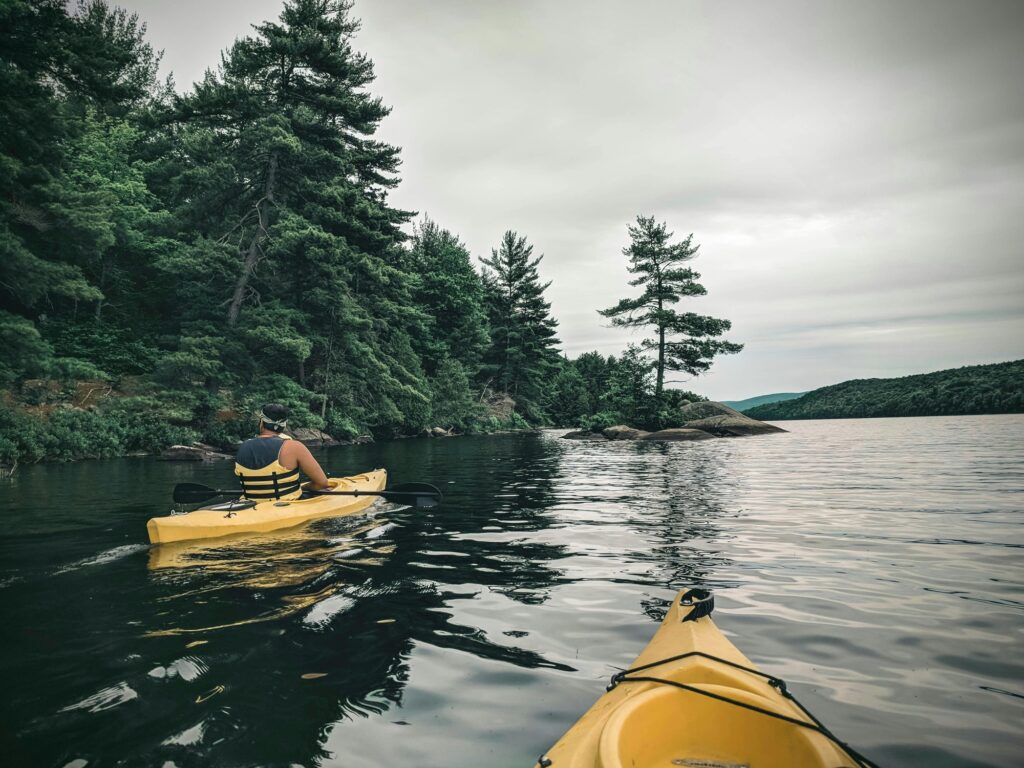
Canoeing Guidelines

What are the three golden rules of canoeing?

Canoeing is a timeless outdoor pursuit, blending adventure, skill, and a unique connection with nature. Whether you’re gliding across a tranquil lake or navigating a winding river, mastering the fundamentals is essential for both safety and enjoyment. Among the most foundational concepts in canoeing are the “three golden rules”-a trio of principles that, when followed, dramatically enhance your paddling efficiency, comfort, and safety. These rules are not just for beginners; even seasoned paddlers rely on them to refine their technique and navigate challenging conditions.

Photo by Razvan Chisu on Unsplash

The Three Golden Rules of Canoeing

1. Use the Power of Torso Rotation
2. Let Your Upper and Lower Body Work Independently, but Cooperatively
3. Keep Your Hands Within Your Field of Vision

Let’s explore each of these golden rules in depth, understand why they matter, and see how they shape every stroke on the water.

1. Use the Power of Torso Rotation

The first golden rule of canoeing is to harness the strength of your torso, not just your arms, for every stroke. Many beginners make the mistake of paddling primarily with their arms and shoulders, which quickly leads to fatigue and inefficient movement. Instead, effective canoeists engage their core muscles through a technique called torso rotation.

What is Torso Rotation?
Torso rotation involves twisting at the waist so that your upper body generates the force behind each paddle stroke. When you reach forward to plant your paddle, your chest should turn away from the direction your canoe is pointing. As you pull the paddle back through the water, you unwind your torso, transferring powerful energy into the stroke.

Why is This Important?

  • Efficiency: Using your core muscles allows you to paddle farther with less effort.
  • Power: Your torso is much stronger than your arms alone, enabling stronger and more controlled strokes.
  • Injury Prevention: Relying solely on your arms can strain your shoulders and joints; torso rotation distributes the workload and reduces the risk of overuse injuries.

How to Practice:

  • Sit upright in your canoe with your feet braced.
  • As you reach forward for a stroke, rotate your shoulders and chest, not just your arms.
  • Imagine your arms as guides for the paddle, while your torso acts as the engine.

2. Let Your Upper and Lower Body Work Independently, but Cooperatively

The second golden rule emphasizes the importance of allowing your upper and lower body to perform distinct, yet complementary, roles. This separation is crucial for stability, maneuverability, and effective paddling.

Upper Body:

  • Controls the paddle and provides the power needed to move and steer the canoe.

Lower Body:

  • Maintains the canoe’s stability and can tilt or edge the boat as needed, especially during turns or in rough water.

Why is This Important?

  • Balance: Your lower body, especially your knees and hips, keeps the canoe steady while your upper body focuses on propulsion.
  • Agility: By pressing with one knee or shifting your hips, you can tilt the canoe to carve turns, similar to leaning into a bicycle turn.
  • Coordination: This division of labor allows for smoother, more controlled movements, making advanced maneuvers possible.

How to Practice:

  • Sit with your knees comfortably braced against the sides of the canoe.
  • As you paddle, focus on keeping your lower body stable while your upper body rotates and moves.
  • Practice edging the canoe by pressing down with one knee while keeping your upper body upright.

3. Keep Your Hands Within Your Field of Vision

The third golden rule is about maintaining a safe and effective hand position throughout every stroke. This is often described as keeping your hands, arms, and paddle forming a “box” in front of your chest, always within your field of vision.

What Does This Mean?

  • Your hands should never travel behind your shoulders or outside your line of sight.
  • When reaching for a stroke behind you, rotate your torso so your hands remain in front of your chest, rather than twisting your arms awkwardly.

Why is This Important?

  • Stroke Efficiency: Keeping your hands in sight ensures your strokes are powerful and controlled.
  • Comfort: This position is ergonomically natural, reducing strain on your shoulders and wrists.
  • Safety: Extending your arms behind your body can lead to shoulder injuries, especially in dynamic situations like bracing or recovering from a near-capsize.

How to Practice:

  • Hold your paddle in front of you, arms slightly bent, forming a rectangle (the “box”) with your chest and paddle shaft.
  • As you paddle, keep this box intact, rotating your torso to reach further rather than stretching your arms out of alignment.

Applying the Golden Rules: Real-World Scenarios

Understanding the golden rules is only the first step; applying them on the water is where they make the biggest difference.

Forward Stroke:

  • Rotate your torso as you reach forward, plant the paddle, and unwind your body to pull the canoe forward.
  • Keep your hands in front of your chest, maintaining the box.
  • Lower body remains stable, bracing the canoe as needed.

Turning and Carving:

  • Use your lower body to tilt the canoe into the turn, while your upper body controls the paddle.
  • Rotate your torso to power the turning stroke, keeping hands in your field of vision.

Bracing and Recovery:

  • If you lose balance, your lower body reacts to stabilize the canoe.
  • Use a low or high brace with your paddle, keeping your hands in the safe “box” position to avoid shoulder strain.

Beyond Technique: Safety and Planning

While the three golden rules focus on paddling technique, safe canoeing also relies on good judgment and preparation. Experts recommend:

  • Choosing Appropriate Conditions: Paddle in environments suited to your skill level-calm lakes for beginners, more dynamic rivers for experienced paddlers.
  • Planning for Emergencies: Always have a plan for what to do in case of a capsize. Practice re-entry techniques and stay close to shore if you’re unsure of your abilities.
  • Checking Weather and Conditions: Be flexible and ready to adjust your plans if weather or water conditions change unexpectedly.

And if you ever find yourself unexpectedly locked out of your RV before or after a paddling trip, knowing where to turn for emergency lockout help can save the day.

Common Mistakes and How to Avoid Them

Even with the golden rules in mind, paddlers can fall into common traps:

  • Paddling Only with Arms: This leads to fatigue and inefficient strokes. Focus on engaging your core and rotating your torso.
  • Overreaching or Twisting Arms: Always rotate your torso to reach further, rather than extending your arms beyond your field of vision.
  • Neglecting Lower Body: Don’t let your lower body go passive; use it actively for balance and control.

The Foundation for Lifelong Canoeing

The three golden rules of canoeing-using torso rotation, coordinating upper and lower body movements, and keeping your hands within your field of vision-form the backbone of effective paddling. By mastering these principles, you’ll not only paddle more efficiently and comfortably but also dramatically reduce your risk of injury and increase your enjoyment on the water.

These rules are timeless because they apply to every paddler, from the first-time canoeist to the seasoned expedition leader. Practice them until they become second nature, and you’ll find yourself gliding across the water with confidence, grace, and a deeper connection to the rhythms of nature.

Whether you’re out for a leisurely afternoon or embarking on a wilderness adventure, remember: the golden rules are your key to unlocking the full potential of canoeing.

The written content on this page was generated by perplexity.ai.
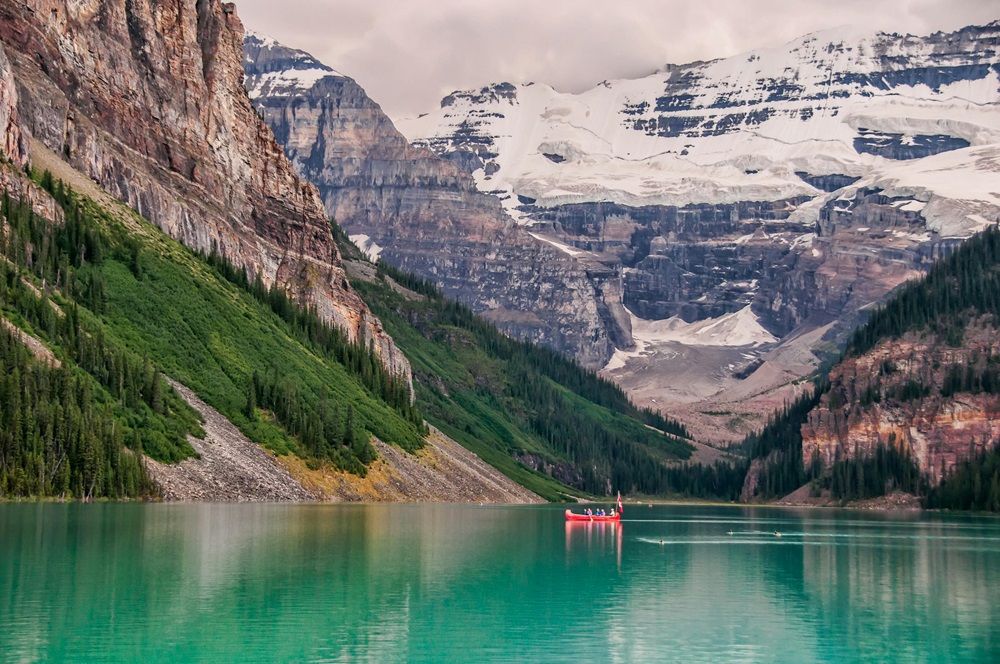
Best Canoeing Spots

A Serene Escape: Canoeing Adventures on Minnehaha Creek

Minnehaha Creek, a 22-mile ribbon of water weaving from Lake Minnetonka to the iconic Minnehaha Falls, offers a unique blend of urban adventure and natural tranquility. For paddling enthusiasts and nature lovers in the Twin Cities, it’s a local treasure—accessible, scenic, and full of surprises. Whether you’re a seasoned canoeist or a curious beginner, exploring Minnehaha Creek by canoe is a serene escape that reveals both the wild and the wonderfully urban sides of Minnesota.

Photo by Courtney RA

The Route: From Wetlands to Waterfalls

Minnehaha Creek begins at Gray’s Bay in Minnetonka, meandering eastward through woodlands, wetlands, city parks, and neighborhoods before plunging dramatically over Minnehaha Falls. Along its 22-mile journey, the creek passes through the cities of Minnetonka, Hopkins, St. Louis Park, Edina, and Minneapolis, offering paddlers a constantly changing backdrop—from quiet, wooded stretches to bustling suburban backyards and city parks.

  • Upper Creek (Gray’s Bay to Target-Knollwood): This section is primarily undeveloped, winding through wetlands and natural areas. It’s the most likely to have enough water during dry spells and takes around 2–3 hours to paddle.
  • Middle Creek (Target-Knollwood to Pamela Park): As you float through Hopkins and St. Louis Park, the creek becomes more urbanized but still features restored natural areas like the Minnehaha Creek Preserve.
  • Lower Creek (Pamela Park to Longfellow Lagoon): Here, the creek is flanked by trails and parkways as it flows through Minneapolis, culminating at the serene Longfellow Lagoon just before the falls.

Planning Your Canoe Adventure

Access Points and Logistics

There are 16–17 marked access points along Minnehaha Creek, making it easy to customize your trip. You can paddle the entire length in a day (about 6–9 hours), or break it into shorter segments for a more leisurely outing. Many paddlers choose to explore a favorite stretch or start near home, making this an ideal local adventure.

What to Bring

  • Life jacket (required by law)
  • First aid kit
  • Cell phone in a waterproof case
  • Drinking water and snacks
  • Sunscreen and quick-dry clothing
  • Waterproof containers for valuables

Safety First

  • Always check the creek’s flow rate before heading out. Ideal paddling conditions are when the flow is between 75 and 150 cubic feet per second (cfs) Below 75 cfs, you may need to portage over shallow spots; above 150 cfs, conditions become hazardous with swift currents and submerged obstacles.
  • Let someone know your route and expected return time.
  • Scan ahead for hazards like overhanging trees, rocks, low bridges, and rapids.
  • Avoid paddling within 72 hours of heavy rain due to potential polluted runoff.

The Experience: Urban Wilderness and Hidden Beauty

Canoeing Minnehaha Creek is a study in contrasts. In some stretches, you’ll paddle through dense woods and wetlands, serenaded by birds and the gentle splash of your paddle. In others, you’ll glide past manicured lawns, golf courses, and even the backyards of some of the Twin Cities’ priciest homes. The creek also passes under numerous bridges and alongside city parks, offering glimpses of urban life interwoven with nature.

Wildlife and Scenery

Despite its proximity to the metro area, Minnehaha Creek is home to a surprising variety of wildlife. Watch for herons, ducks, turtles, and even the occasional deer along the banks. The changing seasons bring fresh perspectives—lush greenery in summer, vibrant foliage in fall, and a quiet, reflective beauty in spring.

A Sense of Escape

Many paddlers are struck by how quickly the city seems to fall away. Even in the heart of Minneapolis, the creek’s winding path and leafy banks create a sense of solitude and peace. As one local paddler put it, “The beauty of it is wandering and paddling through people’s backyards,” discovering a hidden world just beyond the everyday.

Challenges and Considerations

Water Levels and Hazards

Minnehaha Creek’s character changes dramatically with water levels. After heavy rains, the creek can become swift and dangerous, with downed trees, submerged branches, and low-clearance bridges posing real risks. At low water, expect to portage over shallow sections and be prepared for a bit of extra effort.

Urban Obstacles

While the creek offers stretches of natural beauty, it’s not without its quirks. Low bridges may require you to duck or even lie flat in your canoe to pass underneath. In some areas, you may feel like you’re on a “Parade of Homes backyard tour,” paddling past high-end residences and city infrastructure. For some, this blend of urban and wild is part of the creek’s unique charm; for others, it’s a reminder of how closely nature and city life intertwine.

Portages and Access

Certain sections, especially near dams or fast-moving water, require portaging your canoe. Be sure to consult the Minnehaha Creek route map for locations of boat launches and portage spots. Respect private property and only land at designated sites.

Tips for a Safe and Enjoyable Trip

  • Check Conditions: Always consult the Minnehaha Creek Watershed District’s website for up-to-date flow rates and conditions before you paddle.
  • Take a Lesson: If you’re new to canoeing, consider taking a lesson with a local organization. Proper technique and rescue skills can make your trip safer and more enjoyable.
  • Go with Friends: Paddling with others not only adds to the fun but also increases safety, especially in unpredictable conditions.
  • Report Obstacles: If you encounter a downed tree or other hazard, report it to the appropriate city authorities to help keep the creek safe for everyone.

Community and Conservation

Minnehaha Creek is more than just a recreational waterway—it’s a vital part of the region’s ecosystem and history. The Minnehaha Creek Watershed District and other organizations work to restore and protect the creek’s health, maintaining water quality and habitat for wildlife. Paddlers can help by practicing Leave No Trace principles, picking up litter, and respecting the natural environment.

A Local Adventure Worth Discovering

Canoeing Minnehaha Creek is a quintessential Twin Cities experience—a chance to disconnect from the daily grind and reconnect with nature, all within reach of home. Even if your day-to-day routine involves responsibilities like scheduling a garage door service, handling garage door repair, or simply maintaining your garage door, the creek offers a refreshing escape from it all. Whether you’re seeking a full-day adventure or a peaceful afternoon paddle, you’ll find scenic beauty, urban intrigue, and the simple joy of being on the water.

So grab your paddle, check the flow, and set out to discover the serene escape that is Minnehaha Creek.

The written content on this page was generated by perplexity.ai.

Best Canoeing Spots

Tranquil Paddles: Canoeing Across Lake Nokomis

Nestled in the heart of Minneapolis, Lake Nokomis is a shimmering urban oasis that beckons outdoor enthusiasts and city dwellers alike. While the city’s Chain of Lakes often steals the spotlight, Nokomis offers a unique blend of tranquility, accessibility, and natural beauty—making it an ideal destination for those seeking a peaceful canoeing experience without leaving the city limits. This article explores the serene world of paddling across Lake Nokomis, from the rhythmic dip of your paddle to the vibrant community that thrives along its shores.

The Allure of Lake Nokomis

Lake Nokomis spans over 210 acres of water, surrounded by more than 400 acres of parkland. Its size provides ample space for paddlers to explore, whether you’re seeking solitude or a shared adventure with friends. Unlike some of the busier lakes in Minneapolis, Nokomis is known for its peaceful ambiance and lack of powered boats, ensuring a quiet, safe environment for canoeists and kayakers.

A Place for Everyone

Visitors consistently praise Nokomis for its clean waters and welcoming atmosphere. Whether you’re a seasoned paddler or a first-timer, the lake’s gentle shoreline and accessible launch sites make it easy to get started. Wheel Fun Rentals, located at the main beach, offers affordable canoe, kayak, and paddleboard rentals, so you don’t need to own your own gear to enjoy the water. For many, their first experience with canoeing or kayaking happens right here, creating lasting memories and a newfound love for paddling.

The Canoeing Experience

Launching Into Calm

Starting your journey is as simple as arriving at the main beach, where a dedicated launch area awaits. Early mornings often offer the calmest waters, with mist rising off the lake and the city slowly coming to life. As your canoe glides away from shore, the sounds of traffic and urban bustle fade, replaced by the gentle splash of your paddle and the calls of local birds.

Exploring the Lake

Lake Nokomis’s oval shape and open water make it easy to navigate, whether you’re aiming for a leisurely circuit or a longer workout. On windy days, paddling can be more challenging, but the lake’s size ensures there’s always a sheltered spot to find calmer water. The absence of motorized boats means you can focus on your rhythm and the scenery, rather than dodging wakes or noise.

Wildlife Encounters

Despite its urban setting, Nokomis is teeming with life. Watch for turtles sunning themselves on logs, herons stalking the shallows, and flocks of geese gliding across the surface. The lake’s natural shoreline and adjacent parkland provide habitat for a variety of birds and small mammals, making each paddle a mini nature expedition.

Community and Culture

A Gathering Place

Lake Nokomis is more than just a body of water—it’s a vibrant community hub. Joggers, cyclists, and families populate the trails that encircle the lake, while picnickers and sunbathers enjoy the grassy expanses. The main beach is a focal point for summer activity, with a playground for children and the popular Sandcastle eatery offering refreshments for hungry paddlers.

Events and Traditions

Throughout the summer, Lake Nokomis hosts events that draw paddlers and spectators alike. From canoe races to community festivals, the lake’s shores come alive with music, laughter, and the shared joy of outdoor recreation. These gatherings foster a sense of belonging and highlight the role of urban lakes in bringing people together.

Practical Tips for Canoeing at Lake Nokomis

Rentals and Access

  • Rentals: Wheel Fun Rentals operates at the main beach, providing canoes, kayaks, paddleboards, and pedal boats at reasonable rates.
  • Launch Sites: The primary launch is just south of the beach house, with easy access for both rentals and personal watercraft.
  • Parking: Arrive early, especially on weekends, to secure street parking and avoid fees. The lot can fill quickly on sunny days.

Safety and Comfort

  • Life Jackets: Always wear a properly fitted life jacket, regardless of your swimming ability.
  • Weather: Check conditions before heading out. Wind can create choppy water, especially in the afternoon.
  • Hydration and Sun Protection: Bring water, sunscreen, a hat, and sunglasses. The open water reflects sunlight, increasing the risk of sunburn and dehydration.
  • Buddy System: Paddle with a friend when possible, and let someone know your plans if you go solo.

Eco-Friendly Paddling

  • Leave No Trace: Pack out all trash and avoid disturbing wildlife or shoreline vegetation.
  • Reef-Safe Sunscreen: Choose mineral-based sunscreens to protect the lake’s ecosystem.
  • Respect Wildlife: Observe animals from a distance and never feed or approach them.

The Magic of Urban Nature

One of Lake Nokomis’s greatest charms is its ability to transport paddlers from city life into a world of natural calm. As you drift across the lake, skyscrapers recede behind a curtain of trees, and the only reminders of the city are the distant hum of traffic or the occasional airplane overhead. This juxtaposition of urban and natural environments makes canoeing here a truly unique experience.

Solitude and Connection

For many, paddling on Nokomis is a form of meditation—a chance to disconnect from screens, schedules, and stress. The repetitive motion of paddling, the gentle sway of the canoe, and the endless horizon of water create a sense of peace that’s hard to find elsewhere. At the same time, the lake’s popularity ensures you’re never far from fellow adventurers, offering opportunities for both solitude and social connection.

Beyond Canoeing: Embracing the Lake Lifestyle

While canoeing is a highlight, Lake Nokomis offers a wealth of other activities. The 2.7-mile pedestrian and 2.78-mile bike trails are perfect for a post-paddle stroll or ride. Fishing piers, picnic areas, and playgrounds provide options for families and groups. After your paddle, reward yourself with a treat from Sandcastle or explore the nearby neighborhoods, each with their own character and charm.

Photo by Ali Kazal

Reflections from the Water

Paddling across Lake Nokomis is more than just a recreational outing—it’s a journey into the heart of Minneapolis’s natural heritage. The lake’s quiet beauty, accessible amenities, and welcoming community make it a haven for both locals and visitors. Whether you’re gliding through morning mist or basking in the glow of a summer sunset, each trip offers new discoveries and a deeper appreciation for the simple pleasures of life on the water.

The written content on this page was generated by perplexity.ai.

Lake Nokomis stands as a testament to the power of urban nature—an accessible escape where paddlers can find tranquility, adventure, and connection. As you dip your paddle and set out across its calm waters, you become part of a tradition that spans generations. So next time you crave a break from city life, remember that serenity awaits just beyond the shoreline, where the gentle rhythm of your paddle leads you into a world of peaceful discovery—just like the peace of mind you get when a trusted Minneapolis locksmith keeps your home or cabin secure while you’re away.

Canoe Types and Equipment

What are the 3 canoe strokes?

Canoeing is an activity that combines physical skill, rhythm, and an understanding of water dynamics. At its core, mastering canoeing comes down to learning the fundamental paddle strokes. While there are numerous strokes used in different situations, three essential strokes form the foundation for effective canoe control: the forward stroke, the reverse stroke, and the J-stroke. These strokes are versatile and applicable in both flatwater and whitewater conditions.

1. The Forward Stroke

The forward stroke is the most basic and frequently used technique in canoeing. Its primary purpose is to propel the canoe straight ahead efficiently.

How to Perform the Forward Stroke

  1. Starting Position: Begin by sitting upright with your paddle blade fully submerged in the water near the bow (front) of the canoe.
  2. Motion: Pull the paddle straight back along the side of the canoe, keeping it close to the hull. Your lower hand (on the shaft) provides power, while your upper hand (on the grip) guides and stabilizes.
  3. Recovery: Once you’ve completed the stroke, lift the paddle out of the water and return it to its starting position for another stroke.

Key Tips

  • Keep your paddle vertical during the stroke for maximum efficiency.
  • Engage your core muscles rather than relying solely on your arms to reduce fatigue during long paddling sessions.

The forward stroke is essential for maintaining speed and direction. It’s particularly useful when covering long distances on calm waters or during recreational paddling12.

2. The Reverse Stroke

The reverse stroke is essentially a backward version of the forward stroke. It is used to stop or reverse a canoe’s movement and is often referred to as “back paddling.”

How to Perform the Reverse Stroke

  1. Starting Position: Place your paddle blade in the water behind you, ensuring it’s fully submerged.
  2. Motion: Push the paddle forward along the side of the canoe, using your lower hand for power and your upper hand for control.
  3. Recovery: Lift the blade out of the water and return it to its starting position behind you.

Key Tips

  • Maintain a consistent rhythm to ensure smooth backward motion.
  • Use this stroke to stop quickly by applying strong, deliberate pushes against the water.

The reverse stroke is invaluable for maneuvering in tight spaces or avoiding obstacles in fast-moving water. It also serves as a braking mechanism when descending rapids or approaching a dock.

3. The J-Stroke

The J-stroke is a versatile technique that combines propulsion with steering correction, making it ideal for solo paddlers or stern paddlers in tandem canoes.

How to Perform the J-Stroke

  1. Starting Position: Begin with a standard forward stroke.
  2. Motion: As you near the end of your forward stroke, rotate your wrist outward so that the paddle blade forms a “J” shape in its path through the water.
  3. Correction Phase: Push outward slightly with your lower hand while maintaining control with your upper hand.
  4. Recovery: Return to your starting position for another stroke.

Key Tips

  • Practice feathering (rotating) your paddle smoothly during the correction phase.
  • Use this stroke when paddling solo to counteract natural yaw (side-to-side movement) caused by each forward stroke.

The J-stroke is particularly useful for maintaining a straight course over long distances without constantly switching sides or disrupting rhythm.

Why These Strokes Matter

These three strokes form a foundation that allows paddlers to navigate various conditions effectively:

  • The forward stroke provides propulsion.
  • The reverse stroke offers control and stopping power.
  • The J-stroke ensures precision steering without losing momentum.

Mastering these techniques enables paddlers to explore waterways confidently while conserving energy over extended trips.

Additional Advanced Strokes

While these three strokes are fundamental, advanced paddlers often incorporate other techniques such as:

  • Sweep Stroke: Used for turning sharply by drawing wide arcs with the paddle.
  • Draw Stroke: Moves the canoe sideways toward an object or dock.
  • Sculling Draw: A continuous motion used for fine adjustments or holding position1.

Canoeing is both an art and a science, rooted in mastering key strokes like the forward stroke, reverse stroke, and J-stroke. These techniques provide paddlers with control, efficiency, and versatility on any waterway—whether it’s a serene lake or a rushing river.

By practicing these strokes consistently, canoeists can enhance their skills and enjoy smoother adventures on water.

The written content on this page was generated by perplexity.ai.

Canoeing Guidelines

Do you need a license for a canoe in Minnesota?

In Minnesota, the regulations regarding canoe licensing are clear and designed to ensure safety on the water. Canoeing is a popular outdoor activity in the state, thanks to its many lakes and rivers. However, understanding whether a license is required for your canoe can be crucial for compliance with local laws. This article will explore the licensing requirements for canoes in Minnesota, including exceptions, registration processes, and safety considerations.

Licensing Requirements for Canoes in Minnesota

General Licensing Rules

In Minnesota, all non-motorized watercraft that are over 10 feet in length must be licensed by the Department of Natural Resources (DNR). This includes canoes, kayaks, paddleboards, and other similar vessels. If your canoe measures 10 feet or less, you do not need to register it or obtain a license.

Exceptions to Licensing

There are specific exceptions to the licensing requirement that boaters should be aware of:

  • Out-of-State Watercraft: If a canoe is registered in another state and is not kept in Minnesota for more than 90 consecutive days, it does not require a Minnesota license.
  • Government-Owned Watercraft: Canoes owned by government entities are exempt from licensing unless used for recreational purposes.
  • Certain Types of Craft: Lifeboats and specific hunting boats during designated seasons may also be exempt from licensing requirements.

Registration Process

If you own a canoe that requires registration, here’s how to go about it:

  1. Complete the Universal Registration Form: This form can be printed from the DNR website.
  2. Submit Your Application: You can apply in person at designated locations such as county customer service centers.
  3. Provide Necessary Documentation: Bring valid identification and any other required documents, such as a certificate of origin if the canoe is new.
  4. Pay Registration Fees: Fees vary based on the type of watercraft and its length. For canoes over 10 feet, you can expect to pay around $23 plus an issuing fee.

Importance of Licensing

Licensing your canoe is not just about compliance; it also contributes to safety on Minnesota’s waterways. Licensed watercraft are easier to identify in case of emergencies or accidents. Furthermore, registration helps fund conservation efforts and maintenance of public waterways.

Safety Regulations for Canoeing

In addition to licensing requirements, there are several safety regulations that canoeists should adhere to while enjoying Minnesota’s waters:

Life Jacket Requirements

Minnesota law mandates that all children under the age of 10 must wear a life jacket when aboard any watercraft, including canoes. While adults are not required by law to wear life jackets, it is highly recommended for safety.

Equipment Regulations

Canoes should be equipped with essential safety gear such as:

  • A whistle or sound-producing device
  • A white light if paddling at night
  • A first aid kit
  • Extra paddles and flotation devices

Boating Education

While no formal boating education is required for operating non-motorized vessels like canoes, understanding basic boating safety principles is beneficial. The DNR offers resources and courses that cover essential safety practices.

In summary, whether you need a license for your canoe in Minnesota largely depends on its length. Canoes over 10 feet must be registered with the DNR, while smaller ones do not require licensing. Understanding these regulations helps ensure a safe and enjoyable experience on Minnesota’s beautiful waters.For those planning to embark on canoeing adventures, it’s essential to stay informed about local laws and safety practices. By doing so, you contribute not only to your safety but also to the preservation of Minnesota’s natural resources.

The written content on this page was generated by perplexity.ai.