Canoeing is a rewarding outdoor activity that combines adventure, exercise, and connection with nature. However, it also involves inherent risks, especially when navigating rivers, lakes, or coastal waters. Proper personal protective equipment (PPE) is essential to ensure safety and enjoyment on the water. This article details the necessary PPE for canoeing, emphasizing safety, comfort, and preparedness for various conditions.
Essential PPE for Canoeing
Personal Flotation Device (PFD)
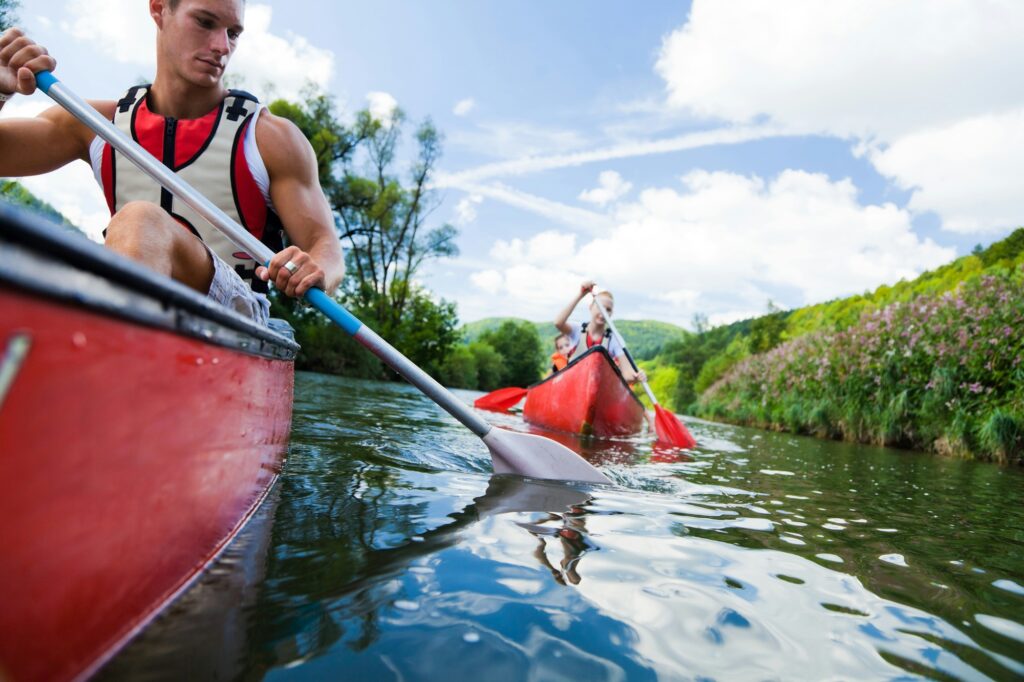
The most critical piece of safety equipment for any canoeist is a Personal Flotation Device (PFD), commonly known as a life jacket. PFDs provide buoyancy to keep you afloat if you capsize or fall into the water. The United States Coast Guard mandates that every boater carry an approved PFD, and it should be worn at all times while paddling. Modern PFDs are designed for comfort and mobility, allowing ease of arm and head movement, which is crucial for effective paddling and rescue maneuvers. They also provide insulation in cold water conditions, reducing the risk of hypothermia.
When choosing a PFD, select one that fits properly and suits the type of canoeing you plan to do. For whitewater or rough conditions, a higher buoyancy PFD (14-24 lbs of flotation) is recommended to ensure maximum safety.
Helmet
A helmet is indispensable for canoeing in whitewater or rocky environments where there is a risk of head injury from rocks, branches, or the canoe itself. Helmets designed for paddling provide protection against impacts and should fit snugly and securely fasten under the chin. While helmets are less common for calm water paddling, they are vital for whitewater canoeing and surf kayaking.
Float Bags
Float bags are inflatable bags placed inside the bow and stern of the canoe to increase buoyancy. They prevent the canoe from filling with water and sinking if it capsizes. Properly outfitted float bags improve the canoe’s maneuverability and make self-rescue easier. They are especially important in whitewater canoeing but can be useful in any paddling situation to enhance safety.
Throw Bag
A throw bag is a rescue tool consisting of a rope coiled inside a bag that can be thrown to a person in the water. It is essential for group paddling trips, especially in rivers or challenging conditions, to assist in rescuing someone who has fallen out of the canoe. Every canoe should carry a buoyant throw line that is easily accessible.
Appropriate Footwear
Wearing sturdy water shoes or river booties is important to protect feet from sharp rocks, slippery surfaces, and cold water. Footwear designed for water activities provides traction and foot protection while allowing water to drain easily. Avoid flip-flops or barefoot paddling, which can lead to injuries or slips.
First Aid Kit
A well-stocked first aid kit tailored for paddling emergencies is crucial. It should include supplies for treating cuts, bruises, bleeding, and other common injuries encountered on the water. Carrying a rescue-breathing mask for CPR is also recommended. More importantly, paddlers should have basic first aid knowledge or take a Wilderness First Responder course to effectively use the kit.
Additional Recommended PPE and Gear
Spray Skirt or Spray Cover
For kayaks and some canoes, a spray skirt or spray cover helps keep water out of the cockpit or hull, maintaining dryness and stability. This is particularly useful in rough or rainy conditions to prevent swamping and hypothermia.
Spare Paddle
Carrying a spare paddle is a safety precaution in case the primary paddle is lost or broken. It ensures that paddlers can continue their journey or return safely to shore without being stranded.
Paddle Leash
A paddle leash secures the paddle to the canoe or the paddler to prevent losing it in the water, especially in swift currents or windy conditions.
Communication Devices
In remote or challenging environments, carrying a waterproof communication device such as a whistle, VHF radio, or a fully charged mobile phone in a waterproof case is advisable for emergency contact.
Weather-Appropriate Clothing
Wear quick-drying, moisture-wicking clothing suited to the weather and water temperature. Layering is important for warmth and protection from sun exposure. Avoid cotton, which retains water and chills the body.
Summary
The essential PPE for canoeing includes:
- Personal Flotation Device (PFD)
- Helmet (for whitewater or rocky conditions)
- Float bags for buoyancy
- Throw bag for rescue
- Appropriate water shoes or river booties
- First aid kit
Additional recommended gear includes spray skirts, spare paddles, paddle leashes, communication devices, and weather-appropriate clothing. Wearing and carrying the right PPE not only protects paddlers from injury and drowning but also enhances confidence and enjoyment on the water. Always assess your skill level, the environment, and weather conditions before setting out, and never paddle without the proper safety equipment.
The written content on this page was generated by perplexity.ai.