Beginner Guides

Is canoeing hard for beginners?

Canoeing is a popular water activity that offers a unique blend of adventure, exercise, and connection with nature. For many beginners, the question arises: Is canoeing hard for beginners? The answer depends on several factors, including the type of water, the environment, the equipment used, and the preparation of the paddler. Overall, canoeing is accessible and learnable for beginners, especially with the right guidance, safety measures, and practice.
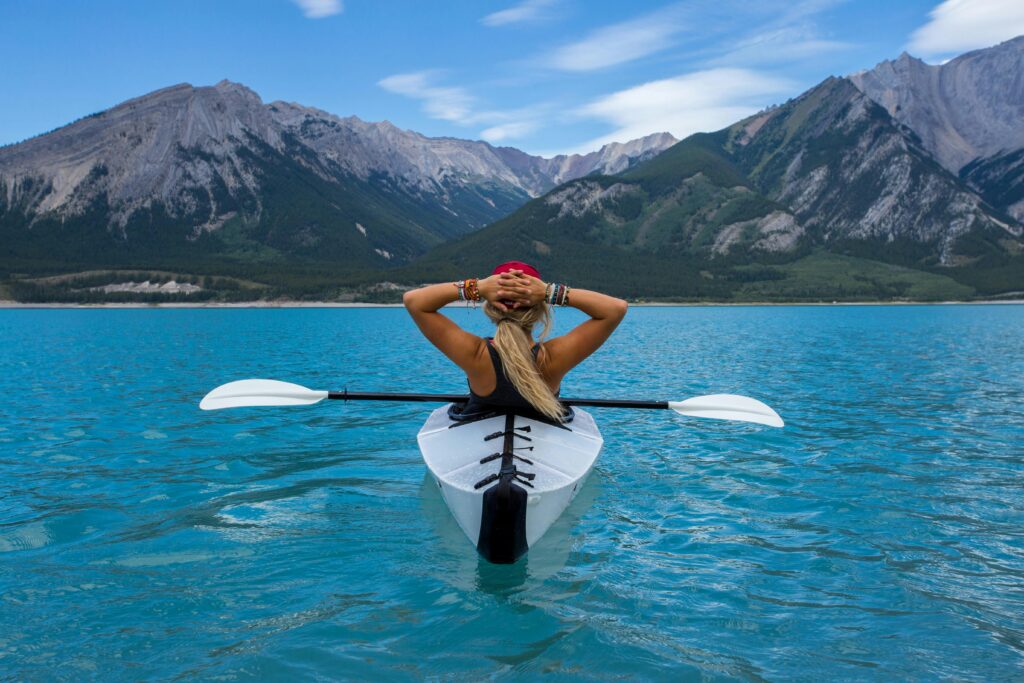
Photo by Kalen Emsley on Unsplash

Understanding the Basics: Is Canoeing Hard for Beginners?

Canoeing is often perceived as challenging because it requires balance, coordination, and some physical effort. However, many beginners find that with a bit of instruction and patience, they can quickly get the hang of it. The initial learning curve involves mastering how to enter and exit the canoe safely, maintaining balance, and learning basic paddling strokes.

According to paddling experts, learning to canoe is easier than many expect. For instance, getting into a canoe from a dock or shoreline is straightforward if done carefully—position the canoe parallel to the dock, stabilize it, and step in slowly while keeping your weight centered. This careful approach helps prevent tipping, which is a common concern for novices.

Stability and Balance: The Key Challenges

One of the biggest challenges for beginners is maintaining stability in the canoe. Canoes have a narrower base compared to other boats, which can make them feel tippy at first. The best way to improve stability is by kneeling inside the canoe rather than sitting on the seats, especially in moving water or when learning8. Kneeling lowers your center of gravity and gives better control over the canoe’s movements.

Beginners often worry about capsizing, but with proper technique and a calm approach, tipping over is uncommon. It helps to practice on calm, flat water where waves and currents are minimal. Starting in a protected bay or a calm lake is ideal for building confidence.

Learning Basic Paddling Techniques

Canoeing requires mastering several basic paddling techniques, but these can be learned quickly. The essential strokes include:

  • Forward stroke: To move the canoe forward.
  • Backward stroke: To slow down or reverse.
  • J-stroke: To keep the canoe moving straight.
  • Draw stroke: To move the canoe sideways.

Beginners are advised to stick to their assigned paddling side and keep their hands “glued” to the paddle grip and shaft without changing their hold mid-stroke. Using torso rotation rather than just arm strength makes paddling more efficient and less tiring.

With a few hours of practice, most beginners can comfortably paddle in a straight line, turn, and stop the canoe. Many find that these skills come naturally once they get the feel of the paddle and the boat.

Environmental Factors Affecting Difficulty

The difficulty of canoeing also depends on the environment:

  • Lakes: Calm lakes are the easiest environment for beginners. The water is usually flat, and there are fewer obstacles. However, wind or boat traffic can add some challenge, requiring paddlers to maintain balance and stay alert.
  • Rivers: Canoeing on rivers introduces currents, which require more skill to navigate. Beginners should start on slow-moving rivers and avoid rapids until they gain experience. Understanding river grading is important; novice paddlers should stick to Grade 1 or 2 rivers, which have minimal risk and gentle currents.
  • Ocean and Open Water: Canoeing in the ocean or large open bodies of water is the most challenging due to waves, tides, and unpredictable weather. This environment is generally not recommended for beginners unless accompanied by experienced guides and with proper safety gear.

Safety Considerations for Beginners

Safety is paramount in canoeing. Beginners should always wear a properly fitting life jacket or personal flotation device (PFD), as unexpected capsizing can happen even in calm conditions. Additionally, carrying a whistle, spare paddle, and emergency supplies is recommended.

Taking a beginner’s course or guided tour can significantly reduce the difficulty. Instructors teach essential skills, safety protocols, and how to read water conditions, making the learning process smoother and more enjoyable.

Physical Fitness and Canoeing Difficulty

Canoeing requires moderate physical fitness. Paddling engages the upper body, core, and legs (when kneeling), so some level of strength and endurance helps. However, beginners with average fitness can easily learn and enjoy canoeing, especially on flat water or gentle rivers.

Common Beginner Challenges and How to Overcome Them

  • Getting in and out of the canoe: This can be tricky at first, especially from uneven shorelines. The key is to keep the canoe stable and move slowly, stepping into the center of the boat one foot at a time.
  • Feeling unstable: Kneeling and keeping your weight centered helps. Beginners should avoid sudden movements and practice balancing on calm water.
  • Paddle control: Beginners often struggle with paddle grip and stroke technique. Keeping hands in the correct position and practicing basic strokes repeatedly builds muscle memory.
  • Coordination with a partner: In tandem canoeing, communication and synchronized paddling are essential. Practicing together helps build teamwork and improves canoe control.

The Mental and Emotional Benefits for Beginners

Despite initial challenges, many beginners find canoeing rewarding. The calm and meditative experience of gliding on water reduces stress and enhances mental well-being. The sense of accomplishment from mastering new skills and exploring nature motivates many to continue improving.

Is Canoeing Hard? The Verdict

For most beginners, canoeing is not inherently hard, especially when approached with proper preparation, instruction, and respect for safety. The initial learning curve involves balance, paddling technique, and water awareness, but these skills can be acquired within a few hours or days.

Starting on calm water with a guide or instructor, wearing safety gear, and practicing fundamental strokes makes canoeing an enjoyable and accessible activity for people of all ages and fitness levels. With time and experience, paddlers can progress to more challenging environments like rivers and open water.

Tips for Beginners to Make Canoeing Easier

  • Take a beginner’s class or guided tour.
  • Start on calm lakes or slow-moving rivers.
  • Always wear a life jacket.
  • Practice getting in and out of the canoe carefully.
  • Learn and practice basic paddle strokes.
  • Kneel in the canoe for better stability.
  • Communicate clearly with your canoe partner.
  • Carry essential safety gear.
  • Respect the environment and other water users.

By following these tips, beginners can overcome initial difficulties and enjoy the many physical, mental, and social benefits of canoeing.

The written content on this page was generated by perplexity.ai.
Beginner Guides

What is the first rule of canoeing?

The first rule of canoeing is to prioritize safety by wearing a properly fitting life jacket or personal flotation device (PFD) at all times while on the water. This rule is non-negotiable because canoeing, by its very nature, involves the risk of capsizing, falling into the water, or encountering unexpected hazards. A life jacket is the most effective piece of safety equipment to prevent drowning and can be lifesaving even if the paddler is unconscious or injured.

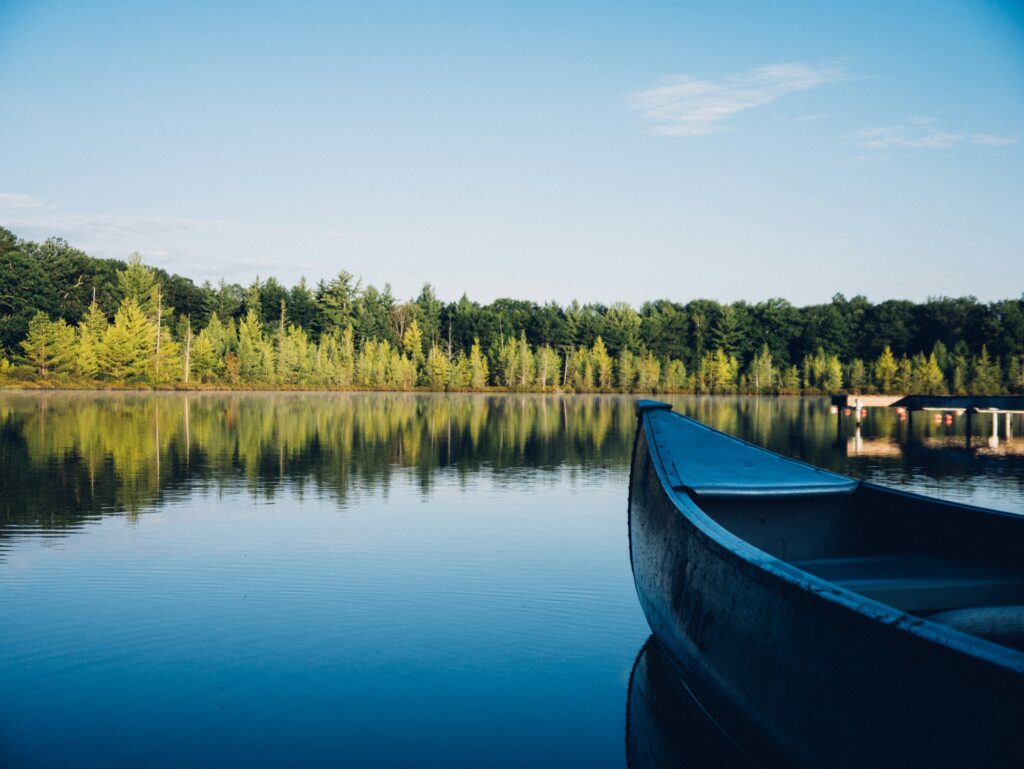
Photo by Aaron Burden on Unsplash

Why Wearing a Life Jacket Is the First Rule

Water conditions can change rapidly—from calm lakes to swift river currents or choppy waves caused by wind or passing boats. Even experienced paddlers can be caught off guard by sudden weather changes, submerged obstacles, or loss of balance. Wearing a life jacket:

  • Keeps you buoyant regardless of swimming ability, which is crucial if you fall into cold water or become incapacitated.
  • Allows you to conserve energy while waiting for rescue or self-recovery.
  • Is legally required in many regions for all paddlers, and failure to wear one can result in fines or penalties.
  • Modern PFDs are designed for comfort and mobility, allowing full range of arm and head movement, so there is no excuse not to wear them.

A properly fitting life jacket should be snug but comfortable, not riding up over the chin or ears when in the water. It should be Coast Guard-approved (or the relevant authority in your country) and appropriate for the type of canoeing you are doing.

The Importance of Stability: Assume a Kneeling Position

Beyond wearing a life jacket, the first practical step in canoeing is to assume a stable position inside the canoe, usually by kneeling on the floor rather than sitting on the seats. This position significantly lowers your center of gravity, which:

  • Improves balance and reduces the risk of tipping, especially in moving or choppy water.
  • Allows better leverage and power for paddling strokes, as you can engage your core muscles more effectively.
  • Enables quicker reaction to shifts in the canoe caused by waves, currents, or obstacles.

While sitting on the seats may feel more comfortable, especially on calm water, beginners and those navigating rivers or rough conditions should prioritize stability by kneeling. Once more experienced and confident, paddlers can alternate between kneeling and sitting as conditions allow.

Additional Essential Safety Rules and Practices

  1. Take an On-Water Instruction Course
    Formal training with a certified instructor teaches essential paddling techniques, water safety, and how to respond to emergencies. Many organizations recommend obtaining certifications before venturing out alone.
  2. Know Your Environment and Hazards
    Research the waterway before your trip. Be aware of hazards such as rocks, submerged logs, rapids, dams, or boat traffic. Scouting unfamiliar or challenging sections beforehand can prevent accidents.
  3. Communicate and Coordinate with Your Canoe Partner
    In tandem canoeing, effective communication between the bow and stern paddlers is crucial. The bow paddler watches for obstacles and signals the stern paddler, who steers. Synchronizing strokes and commands improves control and safety.
  4. Follow Waterway Etiquette
    Respect other water users by minimizing noise, avoiding damage to shorelines and vegetation, and passing anglers and boats carefully. Slow down near others to reduce wake and disturbance.
  5. Prepare Proper Equipment and Clothing
    Besides a life jacket, carry spare paddles, a whistle or sound-signaling device, a bailer or bilge pump to remove water from the canoe, protective footwear, weather-appropriate clothing, and emergency supplies like a first aid kit and map. Avoid open-toed shoes and wear clothing that retains warmth even when wet.
  6. Practice Basic Canoeing Techniques
    Use torso rotation rather than just arm strength for paddling to improve efficiency and reduce fatigue. Keep your hands visible and coordinate upper and lower body movements for better control.

Legal and Regulatory Considerations

Many jurisdictions have specific legal requirements regarding life jackets and safety equipment for canoeists. For example:

  • Canoes must carry one wearable Coast Guard-approved life jacket per person, and it must be worn while underway.
  • Some regions require additional equipment such as a whistle, bailer, or buoyant heaving line.
  • Children under a certain age must wear life jackets at all times, with fines imposed for non-compliance.
  • Inflatable life jackets are approved but must be worn to count as accessible safety gear.

Adhering to these regulations not only ensures legal compliance but also enhances safety.

The first and most critical rule of canoeing is to always wear a properly fitting life jacket or PFD while on the water. This simple but essential practice can save lives in emergencies. Alongside this, assuming a stable kneeling position in the canoe greatly improves balance and control, especially for beginners or when paddling in moving water.

Complementing these foundational rules are additional safety practices such as taking instruction courses, understanding your environment, communicating with your canoe partner, respecting waterway etiquette, preparing appropriate equipment and clothing, and mastering basic paddling techniques.

By rigorously following these principles, canoeists can minimize risks and enjoy the sport safely, whether on serene lakes, flowing rivers, or coastal waters.

The written content on this page was generated by perplexity.ai.
Safety & Navigation

What is the proper way to sit in a canoe?

Proper sitting technique in a canoe is crucial for balance, control, comfort, and efficient paddling. Whether you are a beginner or experienced paddler, understanding how to position your body correctly can significantly enhance your canoeing experience and safety. This article explores the proper way to sit in a canoe, including posture, positioning, and variations depending on the paddling context. Before heading out for any outdoor activity like canoeing, it’s also important to ensure your home is secure and functional services like mobile garage door repair and maintenance can help prevent unexpected issues while you’re away.

Photo by Rachel Claire

Importance of Proper Sitting in a Canoe

The way you sit affects your canoe’s stability and your paddling efficiency. A well-balanced posture lowers your center of gravity, improves your control over the canoe, and reduces fatigue. Conversely, poor sitting posture can lead to instability, inefficient strokes, and discomfort or injury over time.

Basic Sitting Posture

The ideal sitting posture in a canoe involves sitting upright with a relaxed but straight back. Avoid slouching or leaning too far backward, as this can reduce your paddling power and increase the risk of tipping. Your spine should be slightly forward of vertical to engage your core muscles effectively, which helps in generating stronger paddle strokes and maintaining balance.

Your knees should be bent comfortably, with feet positioned close to the centerline of the canoe, resting against the hull or air chambers for support. This positioning helps you maintain balance and control, especially when paddling in rough water or windy conditions.

Where to Sit in the Canoe

  • Tandem Canoes: In a two-person canoe, the more experienced paddler typically sits in the stern (rear) to steer and control the boat, while the bow paddler provides forward power. The heavier paddler is often placed in the rear for better balance, though experience can override this rule.
  • Solo Canoeing: When paddling solo, the common practice is to sit near the center or slightly off-center, often kneeling or sitting on the bow seat facing the stern. This central positioning improves control and balance.

Sitting Positions and Variations

Sitting on the Seat

Sitting directly on the canoe seat with knees lowered below the gunwale level is the most common and comfortable position for many paddlers. This position provides good power and balance, though it raises your center of gravity compared to kneeling.

Kneeling

Kneeling in a canoe lowers your center of gravity, making the boat more stable and easier to control, especially in rough or windy conditions. When kneeling, you can use the front edge of the seat to support much of your body weight, which relieves pressure on your knees and allows for better mobility to adjust your balance.

Many paddlers use knee pads inside the canoe to increase comfort during kneeling. Some combine kneeling and sitting by extending one leg forward while kneeling on the other, allowing for greater flexibility and comfort during long paddles.

Cross-Legged Sitting

Some paddlers adopt a cross-legged sitting position on the seat, which can be comfortable for short periods and provides a low center of gravity. However, this position may limit mobility and is less common for extended paddling sessions.

Spread Two-Point High Kneel

This kneeling position involves spreading the knees apart while kneeling, which increases stability and is useful when paddling into wind or waves. It is often used in smaller solo canoes and freestyle paddling.

Mixed Positions

Many canoeists switch between sitting and kneeling during a trip to maintain comfort and adapt to changing water conditions. Sitting is generally preferred for comfort and endurance, while kneeling is favored for stability and control in challenging conditions.

Foot Placement

Proper foot placement is essential for balance and control. Your feet should be positioned so that they provide a stable base without pushing against the canoe’s sides too hard, which can cause instability. Typically, feet rest flat or slightly angled against the hull or air chambers near the centerline.

Additional Tips for Proper Sitting in a Canoe

  • Keep Your Weight Centered: Avoid leaning too far to one side, as this can cause the canoe to heel and increase the risk of capsizing.
  • Use the Thwart for Support: The thwart (crossbar) can be used to brace yourself and help maintain balance, especially when kneeling or in rough water.
  • Adjust for Comfort: Experiment with different sitting and kneeling combinations to find what works best for your body and the paddling conditions.
  • Maintain Good Posture: Keep your back straight and engage your core muscles to reduce fatigue and improve stroke power.

The proper way to sit in a canoe depends on your paddling style, the canoe type, and water conditions. Key points include:

  • Sit upright with a relaxed but straight back, slightly leaning forward.
  • Position knees bent with feet near the canoe’s centerline for balance.
  • Sit on the seat with knees lowered for comfort and power.
  • Kneel to lower your center of gravity and increase stability, especially in rough conditions.
  • Use knee pads for comfort when kneeling.
  • Adjust your position as needed during paddling for comfort and control.
  • Place the more experienced paddler in the stern for tandem canoes.

By adopting proper sitting techniques, canoeists enhance their safety, control, and enjoyment on the water.

The written content on this page was generated by perplexity.ai.

Canoe Types and Equipment

What type of canoe is best for beginners?

Embarking on the world of canoeing can be an incredibly rewarding experience, offering a unique perspective on nature, a fantastic workout, and a chance to connect with friends and family. However, the first step towards enjoying this pastime is choosing the right canoe. With a variety of types and features available, selecting the best canoe for beginners can seem daunting. This article will guide you through the key considerations and highlight the types of canoes that are most suitable for those just starting their paddling journey.

Why Choosing the Right Canoe Matters for Beginners

For beginners, the canoe selection process is particularly crucial. A poorly chosen canoe can lead to a frustrating experience, potentially discouraging them from pursuing the sport further. Here’s why the right canoe is essential for newcomers:

  • Stability: A stable canoe instills confidence and reduces the risk of capsizing, allowing beginners to focus on learning basic paddling techniques.
  • Ease of Paddling: A canoe that tracks well (goes straight) and doesn’t require excessive effort to maneuver makes the learning process more enjoyable.
  • Comfort: A comfortable canoe with adequate seating and legroom allows beginners to relax and enjoy their time on the water.
  • Safety: A stable and well-designed canoe minimizes the risk of accidents and ensures a safer paddling experience.
  • Positive First Impression: A positive first experience is crucial for fostering a love of canoeing. The right canoe can make all the difference.

Key Considerations for Beginner Canoes

Before diving into specific canoe types, let’s explore the key characteristics that make a canoe beginner-friendly:

  • Stability: Stability is paramount for beginners. Look for canoes with a wider beam (width) and a flatter hull shape, as these tend to be more stable.
  • Hull Shape: A flat or shallow-arch hull provides good stability and tracking, making it easier to paddle in a straight line. Avoid canoes with a deep V-hull, as they can feel tippy.
  • Length: Shorter canoes (around 14-16 feet) are generally more maneuverable and easier to control for beginners. Longer canoes (17 feet or more) are faster and track better but can be more challenging to handle.
  • Weight: A lighter canoe is easier to carry, load onto a vehicle, and paddle. Consider canoes made from lightweight materials like polyethylene or aluminum.
  • Material: Polyethylene and aluminum are popular choices for beginner canoes due to their durability and affordability.
  • Seating: Comfortable seats with backrests are essential for longer paddles. Consider canoes with adjustable seats to accommodate different paddler sizes.
  • Price: Beginner canoes should be affordable, allowing newcomers to try the sport without a significant financial investment.
  • Durability: A durable canoe can withstand bumps and scrapes, making it ideal for beginners who may be less experienced at navigating obstacles.

Best Canoe Types for Beginners

With these considerations in mind, let’s examine the specific types of canoes that are best suited for beginners:

1. Recreational Canoes

Recreational canoes are the most popular choice for beginners, offering a good balance of stability, ease of paddling, and affordability.

  • Characteristics: Recreational canoes typically have a wide beam (32-36 inches), a flat or shallow-arch hull, and a moderate length (14-16 feet). They are often made from polyethylene or aluminum, making them durable and relatively lightweight.
  • Why They’re Good for Beginners:
    • Excellent Stability: The wide beam and flat hull provide exceptional stability, making them forgiving for novice paddlers.
    • Easy to Paddle: Recreational canoes track well and require minimal effort to paddle, allowing beginners to focus on developing their technique.
    • Affordable: Recreational canoes are generally more affordable than other types of canoes, making them a budget-friendly option.
    • Durable: Polyethylene and aluminum are tough materials that can withstand bumps and scrapes.
  • Ideal For: Calm lakes, slow-moving rivers, recreational paddling, family outings.
  • Drawbacks: Not as fast or efficient as other types of canoes, not suitable for rough water or long trips.

2. Discovery Canoes

Discovery canoes are similar to recreational canoes but often offer a bit more versatility and features.

  • Characteristics: Discovery canoes typically have a wider beam than recreational canoes, offering even greater stability. They may also feature additional storage compartments and comfortable seating.
  • Why They’re Good for Beginners:
    • Superior Stability: The extra-wide beam provides exceptional stability, making them ideal for beginners who are concerned about capsizing.
    • Comfortable: Discovery canoes often feature comfortable seating with backrests, making them suitable for longer paddles.
    • Versatile: They can be used for a variety of activities, including recreational paddling, fishing, and family outings.
  • Ideal For: Calm lakes, slow-moving rivers, recreational paddling, fishing, family outings.
  • Drawbacks: Can be heavier and less maneuverable than recreational canoes, may be more expensive.

3. Inflatable Canoes

Inflatable canoes are a convenient and portable option for beginners, particularly those with limited storage space.

  • Characteristics: Inflatable canoes are made from durable, inflatable materials like PVC or Hypalon. They can be easily inflated and deflated, making them easy to transport and store.
  • Why They’re Good for Beginners:
    • Portable: Inflatable canoes can be packed into a compact bag, making them ideal for travel and storage.
    • Stable: Many inflatable canoes are surprisingly stable, thanks to their wide beam and inflatable design.
    • Affordable: Inflatable canoes are often more affordable than hard-shell canoes.
  • Ideal For: Calm lakes, slow-moving rivers, recreational paddling, travel.
  • Drawbacks: Less durable than hard-shell canoes, can be affected by wind, may require more effort to paddle.

4. Short, Lightweight Touring Canoes

While touring canoes are typically designed for longer trips, shorter, lightweight versions can be suitable for beginners.

  • Characteristics: These canoes are typically 14-16 feet long, made from lightweight materials like fiberglass or composite materials, and have a slightly narrower beam than recreational canoes.
  • Why They’re Good for Beginners:
    • Efficient: They paddle more efficiently than recreational canoes, making it easier to cover distance with less effort.
    • Lightweight: The lightweight construction makes them easy to carry and load.
    • Good Tracking: They track well, making it easier to paddle in a straight line.
  • Ideal For: Calm lakes, slow-moving rivers, recreational paddling, fitness paddling.
  • Drawbacks: Less stable than recreational canoes, more expensive, requires more paddling skill.

Canoes to Avoid as a Beginner

Certain types of canoes are not recommended for beginners due to their instability, difficulty to handle, or specialized design. These include:

  • Whitewater Canoes: Designed for navigating rapids, these canoes are highly maneuverable but very unstable.
  • Racing Canoes: Built for speed and performance, racing canoes are extremely narrow and unstable, requiring advanced paddling skills.
  • Long, Narrow Touring Canoes: While efficient, these canoes can be challenging to handle for beginners due to their length and narrow beam.

Tips for Beginner Canoeists

In addition to choosing the right canoe, here are some tips to help beginners get started:

  • Take a Lesson: Consider taking a canoeing lesson from a qualified instructor to learn basic paddling techniques and safety procedures.
  • Start Slow: Begin with short paddles on calm water and gradually increase the distance and difficulty as you gain experience.
  • Paddle with a Friend: Paddling with a friend can make the experience more enjoyable and provide an extra measure of safety.
  • Wear a Life Jacket: Always wear a properly fitted life jacket when canoeing.
  • Check the Weather: Check the weather forecast before heading out and avoid paddling in strong winds or thunderstorms.
  • Practice Capsize Recovery: Practice capsize recovery techniques in a safe environment so you know what to do if you capsize.

Choosing the right canoe is an essential first step for beginners. By prioritizing stability, ease of paddling, and affordability, provide the area’s finest service and products, newcomers can select a canoe that will provide a safe, enjoyable, and rewarding experience. Recreational canoes, discovery canoes, and inflatable canoes are all excellent options for beginners, offering a good balance of these key characteristics. With the right canoe and a few basic skills, anyone can embark on a lifetime of paddling adventures.

The written content on this page was generated by perplexity.ai.

Canoeing Guidelines

Where is the best place to sit in a canoe?

Canoeing is an enjoyable outdoor activity that offers both recreation and exercise. However, the experience can be significantly influenced by how one sits in the canoe. The best seating position can depend on various factors, including the type of canoe, water conditions, and personal comfort preferences. This article explores the best places to sit in a canoe, examining different positions and their advantages.

Types of Canoe Seating Positions

  1. Sitting Position
    • Description: Sitting involves placing your buttocks on the seat with legs extended or bent.
    • Advantages:
      • Comfort: This position is generally more comfortable for long durations, reducing stress on the knees and providing better circulation.
      • Stability: While it may not be as stable as kneeling, sitting can still offer a good balance in calm waters.
      • Power Generation: With proper technique, paddlers can generate significant power by rotating their torso rather than relying solely on arm strength.
  2. Kneeling Position
    • Description: Kneeling involves resting on your knees with your buttocks either on the seat or against the bottom of the canoe.
    • Advantages:
      • Lower Center of Gravity: This position lowers the center of gravity, which enhances stability, especially in rough waters or windy conditions.
      • Control: Kneeling provides better control over the canoe’s direction and allows for quicker maneuvers.
      • Power and Efficiency: Many experienced paddlers prefer kneeling for its ability to generate power efficiently through body mechanics.
  3. Hybrid Positions
    • Many paddlers adopt hybrid positions that combine elements of both sitting and kneeling. For example:
      • One leg may be extended while the other is tucked under the seat, allowing for comfort while maintaining some stability.
      • A high kneel position can be used to provide a better vantage point while still benefiting from increased stability.

Factors Influencing the Best Seating Position

  1. Type of Canoe
    • Canoes come in various designs, including solo and tandem models. The type of canoe can dictate which seating position is most effective. For instance, solo canoes often allow for more freedom of movement compared to tandem canoes where weight distribution is crucial.
  2. Water Conditions
    • In calm waters, sitting may be preferred for comfort and ease of paddling. Conversely, during turbulent conditions or when navigating rapids, kneeling provides greater stability and control.
  3. Duration of Paddling
    • For long-distance paddling, comfort becomes paramount. Sitting may be more sustainable over extended periods; however, alternating between sitting and kneeling can help alleviate discomfort from prolonged pressure on specific body parts.
  4. Personal Preference
    • Ultimately, personal comfort plays a significant role in determining the best seating position. Some paddlers may prefer sitting due to knee issues or discomfort when kneeling, while others might find kneeling more stable and empowering during challenging paddling situations.

Tips for Finding Your Best Position

  • Experiment with Positions: Try different positions to see which feels most comfortable and effective for you.
  • Adjust Your Technique: If you choose to sit, ensure you maintain good posture by sitting up straight and engaging your core muscles for power generation.
  • Use Foot Braces: If available, foot braces can enhance stability while sitting by allowing you to brace your feet against something solid5.
  • Stay Flexible: Be willing to change positions as needed based on comfort and water conditions.

Choosing the best place to sit in a canoe is not a one-size-fits-all decision; it depends on multiple factors including personal preference, type of canoe, and environmental conditions. We’ve been trained in all aspects of the industry but we have also been trained to know how to provide great customer service. Both sitting and kneeling have their advantages and disadvantages. By understanding these factors and experimenting with different positions, paddlers can enhance their canoeing experience significantly.

Whether you are a novice or an experienced paddler, finding your ideal seating position will contribute to a more enjoyable outing on the water.

The written content on this page was generated by perplexity.ai.