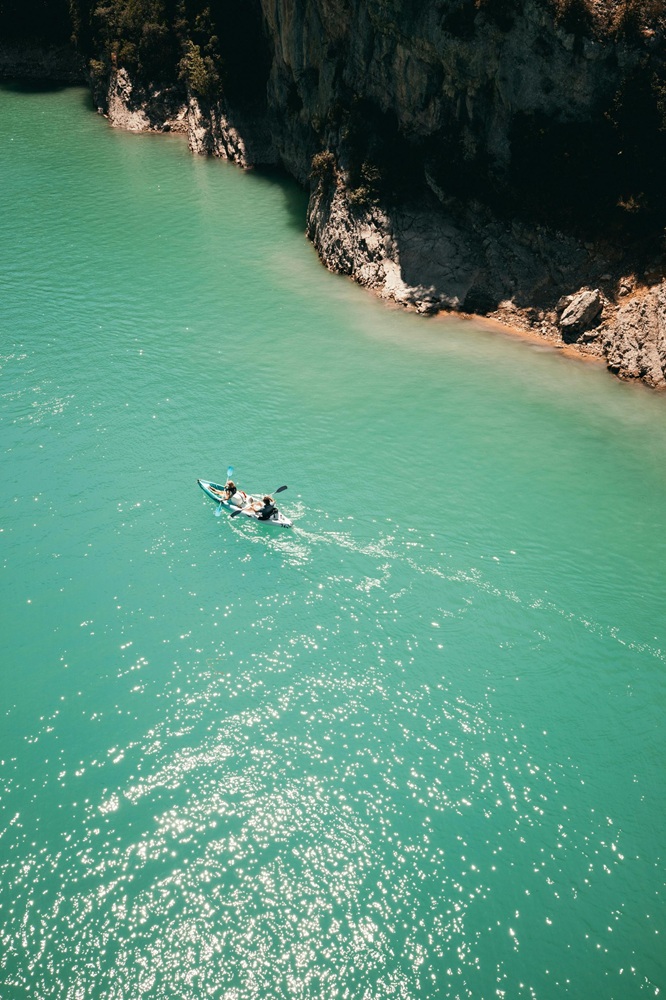
Imagine gliding silently through glassy waters as the sun rises over the Mississippi River, the air crisp with the scent of pine and wild rice. This isn’t a distant wilderness dream—it’s the magic of the Mississippi, unfolding just minutes from the heart of Minneapolis. The mighty river, North America’s second-longest at 2,340 miles, begins its epic journey here in Minnesota’s “City of Lakes.” For locals and visitors alike, canoe and camp trips offer an accessible gateway to untouched beauty, blending paddling adventure with starry-night bivouacs. No need for long drives or fancy gear; launch right from urban put-ins like the Nicollet Island East Bank or Boom Island Park, and let the current carry you into wild serenity.
Minneapolis sits at the river’s headwaters, where the Upper Mississippi transforms from a gentle urban stream into a paddler’s paradise. The Army Corps of Engineers maintains free launch sites, complete with parking and restrooms, making it dead simple to start. Grab a canoe rental from outfitters like Mississippi River Paddling or REI Co-op downtown—rates start at $40 per day for a solo canoe—and you’re off. These trips suit beginners and experts, with flatwater sections ideal for families or solo reflection. Expect wildlife sightings: bald eagles soaring overhead, otters playing in eddies, and great blue herons stalking shallows. It’s pure Mississippi River magic, where city buzz fades into riparian rhythm.
Why Launch from Minneapolis? The Perfect Starting Point
Minneapolis isn’t just a launchpad; it’s the ideal origin for multi-day canoe and camp odysseys. The river’s upper reaches flow lazily at 2-3 mph, minimizing fatigue while maximizing scenery. Within hours, you’ll pass historic sites like the Pillsbury A-Mill ruins, remnants of the city’s milling empire, before entering lush floodplain forests.
Key advantages include proximity to urban amenities. Stock up on permits, maps, and freeze-dried meals at Midwest Mountaineering or Cabela’s before departing. Minnesota requires no special canoe permits for day trips, but overnight camping demands a free Electronic License (available via the DNR app). Water levels fluctuate seasonally—check USGS gauges online for safe flows (ideal: 5,000-10,000 cfs at St. Paul).
Environmental perks abound. The Mississippi National River and Recreation Area (MNRRA), a 72-mile protected corridor from Dayton to Anoka, safeguards this stretch. Paddling here supports conservation: your presence highlights the river’s role in filtering Midwest rainwater and sustaining 10% of U.S. bird species.
Planning Your Canoe Trip: Gear, Routes, and Safety Essentials
Success hinges on smart prep. If you’re leaving your home or vehicle behind for multiple days, it’s also wise to take basic security precautions such as scheduling a lock and rekey service to ensure your property stays protected while you’re away.
Start with a 16-17 foot canoe for stability—Old Town or Wenonah models excel on the Mississippi’s occasional wind chop. Essential gear includes:
- PFDs and safety kit: U.S. Coast Guard-approved life jackets for all, plus whistle, bilge pump, and throw rope.
- Navigation tools: Waterproof Mississippi River map from Rivers.gov, GPS app like Gaia, and compass. Cell service dips in remote sections.
- Camp setup: Lightweight tent (e.g., MSR Hubba), sleeping pad, bug netting (mosquitoes peak June-August), and bear bag for food storage—black bears roam upstream islands.
- Food and water: Filter river water with a Sawyer Squeeze; pack high-calorie bars, nuts, and a camp stove for ethical fires (use established rings only).
Top beginner routes from Minneapolis:
- Day Trip: Boom Island to Lock & Dam No. 1 (10 miles). Paddle past the Stone Arch Bridge, navigate the first lock (free, operator-assisted), and picnic on Pig’s Eye Island. Return via shuttle or current.
- Overnight: Minneapolis to Coon Rapids Dam (25 miles). Camp at Rice Creek Chain of Lakes Park; spot beavers and muskrats.
- Multi-Day Epic: Twin Cities to Red Wing (72 miles, 4-5 days). Hit Frontenac State Park for bluffs rising 400 feet; camp on sandy islands like Wabasha-St. Paul.
Weather rules: Summer highs hit 85°F; spring/fall offer solitude but hypothermia risks. Wind against current creates chop—paddle early mornings.
Safety first: File a float plan with friends via the DNR’s Trip Planner. Watch for barges (give wide berth), submerged logs, and powerboats. Hypothermia kills more paddlers than drownings—wear wool layers under PFDs.
Prime Camping Spots Along the Upper Mississippi
The river’s islands and backwaters host dispersed camping gems, free under Minnesota’s “leave no trace” ethos. Designated sites cluster in state parks and Wildlife Management Areas (WMAs).
- Island hopping near Anoka: Merkaman Island offers gravel beaches for tenting amid cottonwoods. Firewood drifts ashore; cook walleye fresh-caught (limit: 6 per day).
- Coon Rapids to Rum River confluence: WMAs like Sand Creek allow primitive sites. Dawn chorus of songbirds wakes you to fog-shrouded marshes.
- Lock & Dam No. 2 to Hastings: Verdant bluffs frame sites at Spring Lake Park Reserve. Hike trails for overlooks; stargaze without light pollution.
Further afield, Red Wing’s Prairie Island delivers sandy spits perfect for beach fires. Lock through dams 2-4 (call ahead for schedules), and savor small-town breweries upon return. Pro tip: Time trips for the Perseid meteor shower in August—nights feel enchanted under 100+ shooting stars per hour.
Immersing in Mississippi River Magic: Wildlife, History, and Soul-Renewing Moments
Beyond logistics, these trips ignite wonder. Paddle at dusk for the “green flash” sunset, or dawn for mist-veiled heron flights. The river pulses with life: 150 fish species, including sauger and paddlefish. Birders tally warblers, pelicans, and trumpeter swans—rare since the 1930s.
History layers the journey. Glide past Fort Snelling, where Zebulon Pike claimed the region in 1805, or Mound Key, sacred to Dakota people for millennia. Abandoned locks whisper of steamboat eras. Modern magic? Solar-powered lighthouses and bald eagle pairs nesting on channel markers—populations rebounded from 400 statewide in 1970 to 1,300 today.
These outings restore the spirit. Disconnecting from Minneapolis’s skyline hum sharpens senses: the paddle’s drip, wind in wild iris, coyote howls at midnight. Studies from the University of Minnesota show wilderness immersion slashes stress hormones by 20%, boosting creativity. Families bond over shared portages; solo paddlers find clarity in the current’s flow.
Tips from Seasoned Paddlers and Conservation Notes
Local experts from the Mississippi Paddle Club swear by group floats for safety and stories. Join their monthly outings via Meetup. Women-led groups like Women on the Water offer empowering clinics.
Sustainability matters: Pack out micro-trash, bury waste 6 inches deep (100 feet from water), and avoid soap in streams. Support the Mississippi River Fund via optional DNR donations—funds restore habitats battered by floods and invasives like carp.
Budget breakdown for a 3-day solo trip: $150 canoe rental, $50 gear/food, $20 gas/parking—under $250 total. Families scale up affordably.
Extend the magic year-round: Winter fat-tire biking on frozen sections, or fall foliage floats amid crimson maples.
Wrapping Up the Adventure: Return Renewed
Canoe and camp trips from Minneapolis unlock the Mississippi’s timeless allure—wilderness at your doorstep. Whether chasing sunsets or solitude, the river delivers transformative escapes. Launch today; the current awaits.
The written content on this page was generated by perplexity.ai.