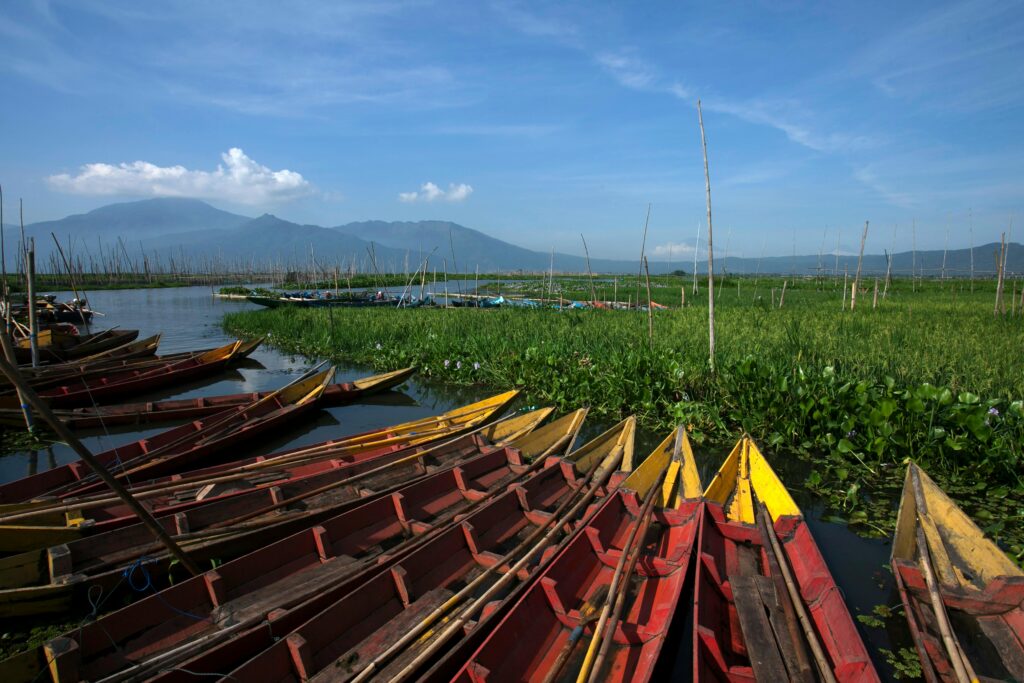
The oldest known name for a canoe, deeply rooted in linguistic, cultural, and maritime history, originates from the Taíno language, an Arawakan language once spoken by the indigenous peoples of the Caribbean before European colonization. The Taíno word, recorded in various forms such as kanú, canóa, and related variants, specifically described dugout canoes—robust watercraft hollowed out from single large tree trunks—which were essential to Taíno life for fishing, transportation, and inter-island trade across the Caribbean archipelago.

Historical and Linguistic Context of the Taíno Term
The Taíno language, a member of the Arawakan family, flourished throughout the Caribbean islands such as Hispaniola (modern Haiti and the Dominican Republic), Puerto Rico, Cuba, and the Lesser Antilles prior to Spanish contact. Scholars trace the origins of the Taíno people and their language to migrations from the Amazon Basin northwards through the Orinoco Valley area, eventually settling the Caribbean islands over thousands of years.
Taíno society was highly maritime and utilized dugout canoes as vital tools for daily survival and cultural exchange. The word kanú or canóa not only denoted the physical craft but also carried cultural significance, representing the Taíno’s advanced knowledge of boatbuilding and hydrodynamics. These dugout canoes were expertly shaped for stability, navigability, and durability, allowing the Taíno to traverse the open waters between islands with efficiency and skill.
Encounter and Adoption by Europeans
When European explorers, most famously Christopher Columbus in 1492, encountered the Caribbean, they documented many cultural novelties, including the native boats. Columbus’s 1493 logs record the term canoa, which the Spanish adopted directly from Taíno usage to describe the indigenous dugout vessels they encountered. The word’s adoption extended beyond Spanish, entering French as canoë or canot and English as canoe during the 16th century.
This linguistic transmission was more than mere naming; it reflected the Europeans’ recognition of the canoe’s importance in indigenous maritime culture and their reliance on native knowledge for navigation and colonization. The spread of the term “canoe” into global use is a testament to the Taíno people’s enduring cultural influence despite the profound disruptions caused by colonization.
Taíno Language Legacy
Although the Taíno language declined steeply following European colonization due to disease, warfare, and cultural suppression, many words, including canoa, entered European languages and have persisted. Alongside canoa, English has borrowed other common words of Taíno origin: barbecue, hammock, tobacco, and hurricane, highlighting the broad cultural footprint of the Taíno.
Significantly, some of these Taíno words continue to resonate in place names across the Caribbean. For example, Puerto Rican towns like Utuado and Mayagüez retain Taíno linguistic heritage, demonstrating the lasting imprint of this indigenous language on the modern cultural landscape.
The Dugout Canoe: Design and Global Context
The dugout canoe, the specific watercraft denoted by the Taíno term, is one of the oldest boat types worldwide. Construction involves hollowing a single large log using fire and tools, creating a sturdy, seaworthy vessel suitable for diverse water environments—from rivers to open sea crossings.
While the Taíno word kanú or canóa is the earliest recorded name linked directly to canoes, archaeological evidence shows dugout canoes were in use millennia before European contact. For instance:
- The Pesse canoe, found in the Netherlands and dated to around 8000–7500 BCE, is the oldest known physical canoe artifact worldwide, though its original name is lost.
- The Dufuna canoe from Nigeria, around 8000 years old, speaks to the ancient, global distribution of dugout canoe technology.
Despite their ancient origins, the names for these early canoes have largely been lost to history. The Taíno-derived word canoe thus carries special significance as a rare surviving indigenous term describing this vessel, preserved through European contact and maintained in modern languages.
From Indigenous Craft to Global Maritime Lexicon
The modern usage of canoe has expanded beyond the dugout canoe to include lightweight, narrow boats propelled by paddles and made from various materials like wood, canvas, fiberglass, aluminum, and synthetic compounds. Yet, the word still carries the imprint of its Taíno roots and early maritime culture, reflecting centuries of human ingenuity and cultural exchange.
The journey of the term—from Taíno dugout boats navigating Caribbean waters, to European explorers introducing the word to global vocabularies, and finally to its broad modern meanings in recreation and sport—illustrates how indigenous knowledge can shape world heritage linguistically and technologically.
Additional Details and Insights
- Cultural Role of the Taíno Canoe: Beyond fishing and transport, Taíno canoes played a role in social, religious, and economic life, facilitating trade networks and cultural exchange among islands, which were essential for maintaining alliances and social cohesion.
- Hydrodynamic Expertise: Taíno craftsmanship showed an intuitive understanding of balance, hull shape, and water resistance. Their dugouts were efficient and stable in open ocean conditions, demonstrating sophisticated naval engineering achieved without modern tools.
- Linguistic Diffusion: The Taíno language influenced several colonial languages not just lexically but culturally, seeding European vocabularies with native terms critical to understanding the New World environment. Words like canoa were among the first indigenous words globally recognized and used.
- Colonial and Post-Colonial Legacy: Despite the near disappearance of spoken Taíno, ongoing revitalization efforts and cultural recognition seek to honor the Taíno language and heritage, preserving key aspects such as traditional boatmaking and the canoe’s symbolic place in identity.
The oldest recorded name for a canoe, derived from the Taíno indigenous term kanú or canóa, represents an important linguistic, cultural, and maritime artifact. This name was recorded by Europeans in the late 15th century, adopted into Spanish as canoa, spread to French and English, and evolved into the modern term canoe by the 16th century. This linguistic heritage reflects both the sophisticated indigenous craftsmanship of the Taíno dugout canoe and the enduring global influence of their language and maritime culture.
The written content on this page was generated by perplexity.ai.