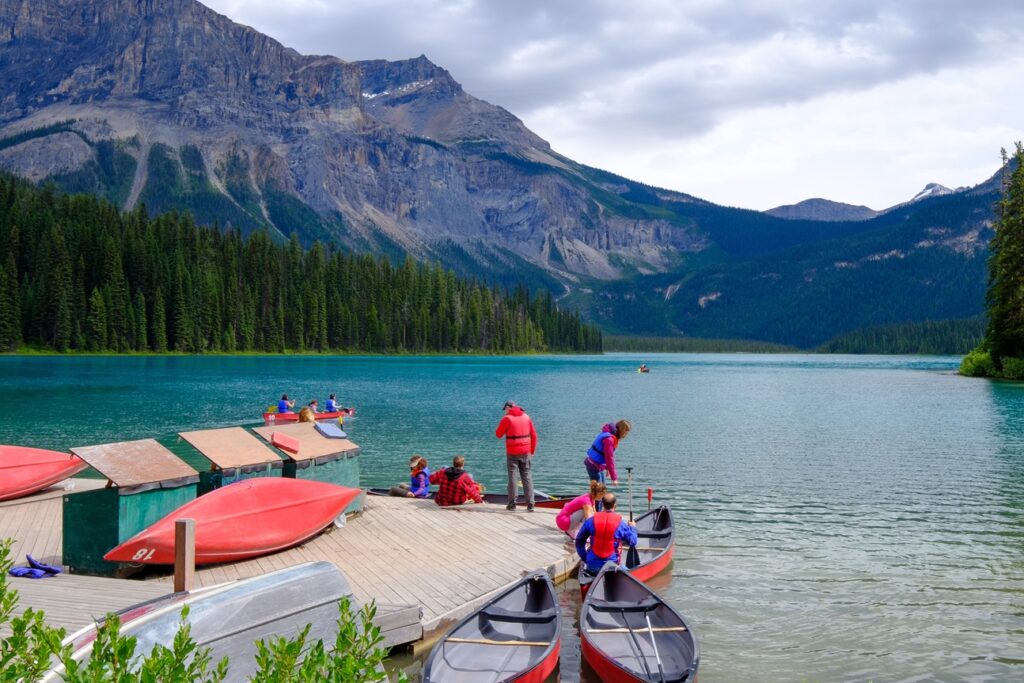
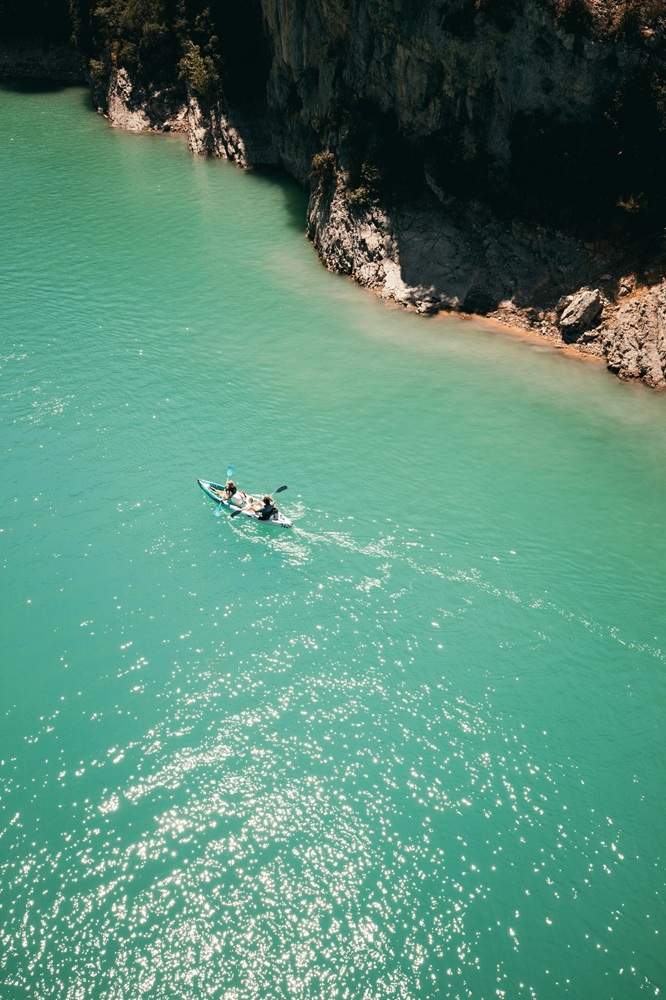
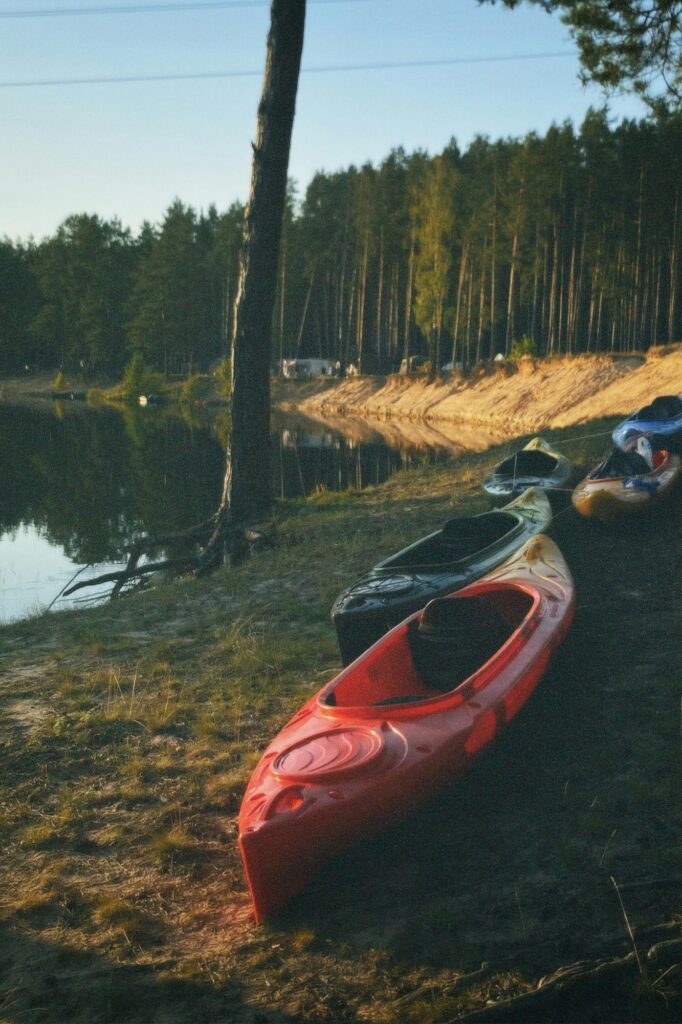
Imagine trading Minneapolis traffic, crowded schedules, and constant notifications for glassy lakes, towering pine forests, and mornings filled with the haunting calls of loons. Picture yourself gliding across crystal-clear waters in a canoe, stopping at secluded campsites, and watching the stars illuminate a sky untouched by city lights.
This is the magic of the Boundary Waters Canoe Area Wilderness (BWCAW), one of America’s most remarkable outdoor destinations.
Located in northeastern Minnesota along the Canadian border, the Boundary Waters offers more than one million acres of protected wilderness, with interconnected lakes, rivers, forests, and canoe routes. For adventure seekers traveling from Minneapolis, an extended canoeing expedition provides the perfect opportunity to escape everyday routines and reconnect with nature.
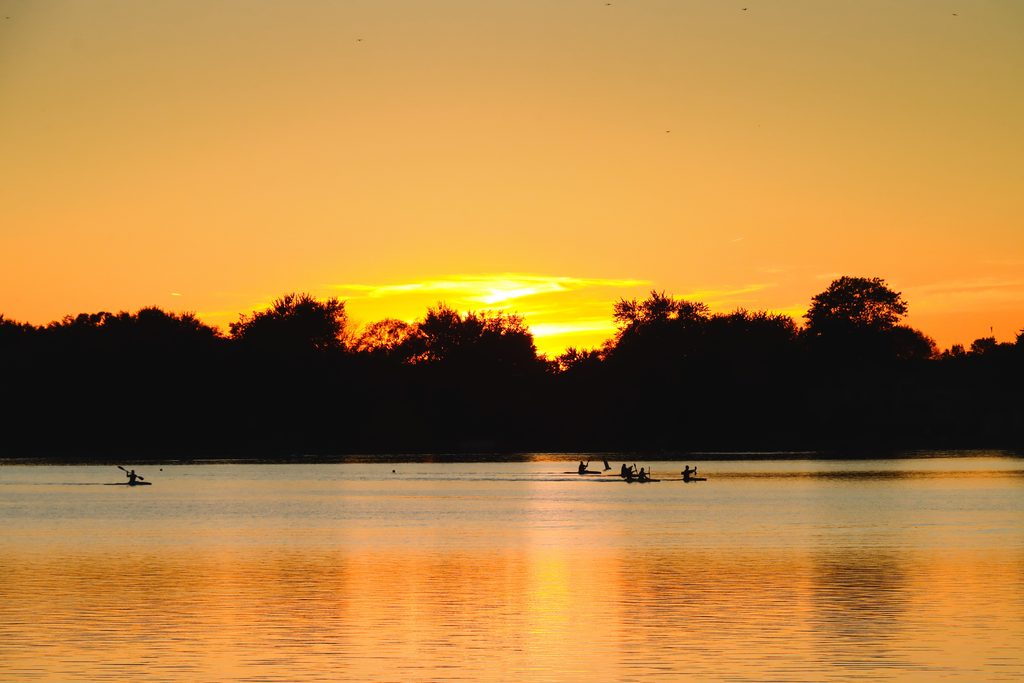
However, transforming this wilderness dream into an unforgettable journey requires thoughtful preparation. From choosing the best route and securing permits to packing essential equipment and planning meals, this guide covers everything you need to organize the perfect extended Boundary Waters adventure.
1. Why the Boundary Waters Is Worth the Journey from Minneapolis
The Boundary Waters is not your typical camping destination. Unlike developed parks filled with paved roads, modern facilities, and crowded recreational areas, this wilderness invites visitors to experience nature on its own terms.
Canoes become the primary transportation. Trails called portages connect waterways, allowing travelers to carry their boats and equipment between lakes. Designated campsites provide places to rest, cook, and enjoy the surrounding scenery.
The rewards are extraordinary.
Visitors can paddle through peaceful waterways, photograph breathtaking sunrises, fish for walleye and smallmouth bass, observe wildlife, and explore landscapes shaped by glaciers thousands of years ago.
For Minneapolis residents, the destination is particularly appealing because it offers a genuine wilderness experience within a manageable road trip.
An extended stay of seven to ten days allows travelers to move beyond the busiest entry areas, explore more remote waterways, and experience a slower rhythm that shorter weekend excursions rarely provide.
2. Getting from Minneapolis to the Boundary Waters
Planning begins with selecting the right gateway community. Although Minneapolis serves as a convenient starting point, the Boundary Waters itself has numerous entry points scattered across northeastern Minnesota.
Two popular gateways are Ely and Grand Marais.
Ely is a traditional canoeing hub offering outfitters, lodging, equipment rentals, and access to western and central Boundary Waters routes. Grand Marais provides access to the Gunflint Trail and eastern wilderness entry points, along with picturesque views of Lake Superior.
The driving journey from Minneapolis generally takes approximately four to six hours to reach these gateway communities, depending on the destination, traffic, and weather. Reaching a remote entry point may require additional driving.
Rather than rushing directly from Minneapolis into the wilderness, consider spending your first night near the departure location.
This extra time allows you to collect rental equipment, confirm permits, purchase supplies, study maps, and enjoy a good night’s sleep before paddling.
It also reduces the temptation to begin a demanding wilderness journey after several exhausting hours on the road.
3. Choosing the Best Time for Your Canoeing Adventure
Timing can dramatically influence your Boundary Waters experience.
Each season offers distinct advantages, and choosing the right travel dates depends on your priorities.
Late May through June: Spring brings refreshing temperatures, active wildlife, and beautiful forest scenery. However, paddlers should prepare for cold water, changing weather, and potentially intense mosquito activity.
July through August: Summer provides long daylight hours and generally warmer conditions. This is a popular period for families and first-time visitors, although thunderstorms, insects, and busy entry points remain considerations.
September: Early autumn offers cooler weather, fewer insects, and colorful foliage. Many experienced paddlers appreciate September’s peaceful atmosphere, but shorter days, cold nights, and stronger weather systems require additional preparation.
For an extended trip, late August or early September can offer an attractive balance of comfortable paddling conditions and quieter surroundings.
Regardless of the season, remember that northern Minnesota weather can change quickly. Always prepare for rain, wind, and unexpectedly cold temperatures.
4. Securing Permits Before Your Trip
One of the most important planning steps involves obtaining the appropriate wilderness permit.
The U.S. Forest Service manages entry into the Boundary Waters to protect its natural resources and maintain opportunities for solitude.
For overnight canoeing trips entering between May 1 and September 30, visitors generally need a quota permit reserved through Recreation.gov.
Each entry point has a limited number of available permits per day.
Permits specify the authorized entry location and date, making it essential to finalize your travel schedule before booking.
Groups are limited to nine people and four watercraft, and everyone must follow the established wilderness regulations.
For trips entering from October through April, self-issued permits are required instead of the summer quota reservation system.
Because regulations, closures, and available entry points can change, review official information before departure.
Early reservations are especially important for popular summer dates.
5. Selecting the Perfect Route for an Extended Expedition
Choosing a canoe route is one of the most exciting parts of planning.
The Boundary Waters features an extensive network of waterways, giving adventurers numerous possibilities depending on experience, fitness, and available time.
Lake One and the Numbered Lakes
This area is an appealing option for paddlers seeking interconnected lakes and opportunities to develop their wilderness skills. Routes can be adapted for relaxed exploration or longer journeys.
Moose Lake and the Knife Lake Region
These routes offer opportunities for ambitious expeditions into scenic lakes and remote landscapes. Travelers should carefully evaluate portages, weather exposure, and daily distances.
Seagull Lake and the Gunflint Region
Eastern Boundary Waters routes feature rocky shorelines, striking scenery, and numerous opportunities for extended paddling adventures.
For beginners, a base-camping expedition can be ideal. This approach involves establishing a campsite and exploring surrounding lakes through shorter day trips.
Experienced paddlers may prefer a loop route, traveling between campsites and completing a journey that returns to the starting area.
Before choosing, consider the number of portages, expected paddling distances, campsite availability, and exposure to strong winds. An outfitter can help match the route to your group’s abilities.
6. Creating a Practical Seven-to-Ten-Day Itinerary
A successful extended expedition balances exploration with recovery.
Instead of scheduling every hour, build flexibility into your itinerary so unexpected weather or fatigue does not disrupt the entire adventure.
Here is an example of a nine-day trip framework:
| Day | Suggested activity |
|---|---|
| 1 | Drive from Minneapolis to Ely or another gateway community; check equipment and supplies |
| 2 | Collect permit, enter the wilderness, and establish the first campsite |
| 3 | Paddle deeper into the lake system and explore connecting portages |
| 4 | Continue toward the planned destination and establish another campsite |
| 5 | Enjoy a rest day, fishing, photography, or a short exploration paddle |
| 6 | Begin the return route or continue a carefully planned loop |
| 7 | Explore additional lakes while allowing for weather-related delays |
| 8 | Return toward the entry point and exit the wilderness |
| 9 | Travel back to Minneapolis, with time for rest and a final meal |
This is a planning framework rather than a specific mapped route. Exact distances and campsite choices should be determined using current maps and the group’s experience.
Including at least one flexible day is particularly valuable. Strong winds can make open-water crossings unsafe, and there is no reason to sacrifice safety to maintain an ambitious schedule.
7. Packing Essential Canoeing and Camping Equipment
Packing efficiently is crucial for a journey involving multiple lakes and portages.
Every unnecessary item adds weight, while forgotten essentials can create serious challenges.
Your equipment should cover several important categories:
- Paddling equipment: A suitable canoe, paddles, properly fitted life jackets, and an extra paddle.
- Camping gear: Lightweight tents, sleeping bags, sleeping pads, tarps, and waterproof packs.
- Navigation: Waterproof maps, compass, and a GPS device as a backup.
- Cooking supplies: Backpacking stove, fuel, cookware, utensils, and food-storage equipment.
- Safety essentials: First-aid kit, water-treatment system, repair supplies, whistle, and emergency communication device.
- Clothing: Quick-drying layers, waterproof outerwear, insulating clothing, sturdy footwear, and warm nighttime layers.
Waterproofing deserves special attention. Even experienced paddlers occasionally encounter splashing, heavy rainfall, or accidental capsizing.
Use dry bags and pack liners to protect clothing, sleeping equipment, electronics, and emergency supplies.
Pack items according to their frequency of use. Rain jackets, drinking water, snacks, and first-aid supplies should remain easily accessible.
Practice carrying your fully loaded packs before departure to ensure everyone can manage the anticipated portages.
8. Planning Meals for a Longer Wilderness Stay
Food planning becomes increasingly important when traveling for more than a few days.
A successful menu should provide adequate nutrition without creating excessive weight or unnecessary waste.
Dehydrated meals, oatmeal, rice, pasta, tortillas, nuts, dried fruit, and shelf-stable proteins are practical options.
Fresh foods can be enjoyed during the beginning of the expedition, while lightweight ingredients become more valuable later.
Plan sufficient calories for physical activity, especially when paddling long distances or carrying heavy equipment.
Group meals can also become memorable highlights. Preparing warm soup after a rainy afternoon or enjoying coffee beside a quiet lake adds comfort to the wilderness experience.
Follow all current food-storage regulations. Keep food and scented items away from tents, and use approved bear-resistant containers or properly hung food packs.
Finally, pack out food packaging and other waste. Responsible camping protects wildlife and preserves the wilderness for future visitors.
9. Staying Safe in Remote Wilderness
The beauty of the Boundary Waters comes with genuine responsibilities.
Unlike developed recreational destinations, remote canoe routes may be far from emergency services.
Weather is among the most important concerns. Strong winds can develop rapidly across large lakes, creating dangerous waves.
Start paddling early when conditions permit, monitor forecasts before entering the wilderness, and avoid exposed crossings during hazardous weather.
Wear a properly fitted life jacket whenever paddling. Cold-water immersion is dangerous even when the air feels warm.
Wildlife encounters also require care. Black bears inhabit northern Minnesota, but proper food storage and maintaining distance significantly reduce potential problems.
Carry a satellite messenger or personal locator beacon when possible, and leave a detailed itinerary with someone who is not joining the expedition.
Before departing, check official wildfire alerts, closures, and changing travel restrictions. Some Boundary Waters areas experienced wildfire-related closures during 2026, reinforcing the importance of verifying access rather than relying on old route descriptions.
10. Making the Most of the Wilderness Experience
An extended canoeing adventure should be about more than reaching a destination.
Some of the best Boundary Waters memories happen during moments that were never included in the itinerary.
Wake up early and watch morning mist drift across the lakes. Listen for loons calling from distant shorelines. Spend a quiet afternoon reading beneath towering pines or photographing reflections on still water.
Fishing enthusiasts can explore the region’s diverse freshwater opportunities while following Minnesota fishing regulations.
At night, look upward.
Far from Minneapolis’s urban lighting, the Boundary Waters can reveal remarkably clear star-filled skies. Under favorable conditions, visitors may even glimpse the northern lights.
Equally important is respecting the environment.
Camp only at designated sites, minimize noise, avoid disturbing wildlife, and leave natural features untouched. The wilderness experience becomes more rewarding when everyone contributes to its protection.
11. Budgeting for an Extended Boundary Waters Trip
An unforgettable wilderness adventure does not necessarily require luxurious spending, but a realistic budget prevents last-minute stress.
The largest expenses often include transportation from Minneapolis, overnight accommodation before departure, canoe rentals, camping equipment, outfitting services, permits, and food.
First-time visitors may benefit from complete outfitting packages that provide canoes, tents, cookware, maps, and other necessary equipment.
Experienced paddlers who already own reliable gear may reduce expenses by renting only specialized equipment.
Traveling with a small group can make shared expenses more manageable, particularly transportation and certain rental costs.
However, never sacrifice essential safety equipment simply to reduce the budget.
It is also wise to reserve emergency funds for unexpected lodging, transportation delays, equipment replacement, or changing travel arrangements.
12. Returning to Minneapolis with More Than Memories
After several days of paddling, portaging, cooking outdoors, and sleeping beneath the stars, returning to everyday life can feel surprisingly different.
The wilderness encourages patience, teamwork, self-reliance, and an appreciation for simplicity.
Travelers often discover that the most meaningful experiences are not dramatic achievements but small moments: a sunrise shared with friends, a peaceful lake crossing, or the satisfaction of reaching camp after a challenging day.
Before leaving the gateway community, consider enjoying a warm restaurant meal, organizing photographs, and reflecting on the expedition.
Those final moments provide a welcome transition between wilderness solitude and the familiar pace of Minneapolis.
Your Boundary Waters Adventure Begins with a Plan
Canoeing the Boundary Waters from Minneapolis is more than an ordinary road trip. It is an opportunity to experience pristine landscapes, embrace new challenges, and create lasting memories in one of America’s most extraordinary wilderness areas.
The key to a successful extended expedition lies in thoughtful preparation: selecting a suitable route, securing permits, packing reliable equipment, prioritizing safety, and allowing enough time to truly appreciate the experience.
Whether you spend your days exploring remote waterways, fishing along rocky shorelines, or simply listening to the sounds of nature, the Boundary Waters offers something increasingly rare in modern life: uninterrupted time to explore, reflect, and reconnect.
So gather your paddling companions, study the maps, and begin preparing for your journey north.
The adventure of a lifetime may be only a few hours beyond Minneapolis, waiting for your first paddle stroke.
The written content on this page was generated by perplexity.ai.