Canoeing Guidelines

What are the health and fitness suggestions in doing canoeing and kayaking?

Gliding across the water’s surface with nothing but a paddle and your own strength propelling you forward, canoeing and kayaking offer a unique blend of adventure, serenity, and physical challenge. These water-based activities have gained popularity not just as recreational pursuits but as effective fitness regimens that deliver impressive health benefits. Whether you’re paddling through calm lakes, winding rivers, or challenging ocean waters, canoeing and kayaking provide a holistic approach to wellness that engages both body and mind.

Physical Benefits: A Full-Body Workout on Water

Cardiovascular Health Improvements

Canoeing and kayaking are excellent forms of aerobic exercise that significantly benefit your cardiovascular system. The rhythmic paddling motion elevates your heart rate into the optimal training zone, strengthening your heart and improving circulation throughout your body. Regular paddling sessions can reduce high blood pressure, lower cholesterol levels, and decrease the risk of stroke or heart disease7. As a moderate-intensity activity, paddling for just an hour can provide substantial cardiovascular benefits while being gentler on your body than high-impact exercises.
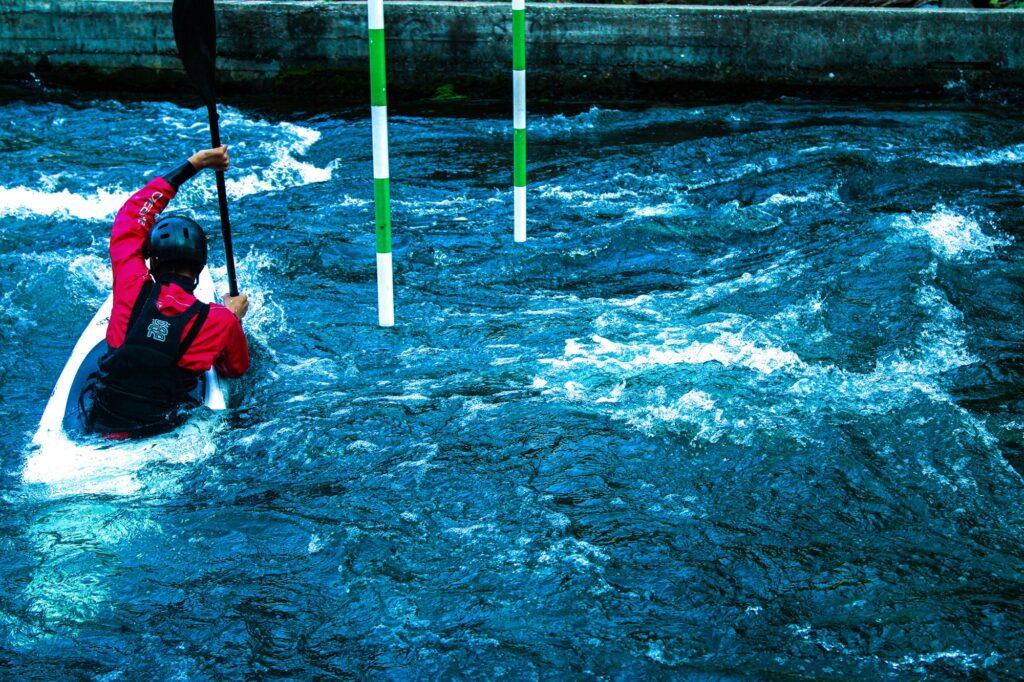
Photo by Tatjana Dimovska on Unsplash

Muscle Strength and Toning

One of the most significant physical benefits of paddling is the comprehensive muscle engagement it requires. While many assume canoeing and kayaking only work the arms, these activities actually engage multiple muscle groups simultaneously:

  • Upper Body Development: Paddling primarily targets the shoulders, arms, chest, and back muscles. The repetitive paddling motion helps tone and strengthen these muscle groups, creating balanced upper body development.
  • Core Strength: The torso twist action required for efficient paddling directly engages your abdominal muscles and obliques. This rotational movement is essential for generating power and helps develop a strong, stable core.
  • Lower Body Engagement: Surprisingly, kayaking and canoeing also work your legs. Your thigh muscles and calves continuously engage to maintain balance and stability within the craft, especially when navigating rougher waters.

This comprehensive muscle engagement makes paddling an efficient full-body workout that builds functional strength applicable to everyday movements.

Calorie Burning and Weight Management

For those focused on weight management, canoeing and kayaking offer impressive calorie-burning potential. A moderate-intensity paddling session can burn between 300-400 calories per hour, with more vigorous paddling or challenging conditions increasing this number significantly56. At a speed of approximately 5 miles per hour, paddlers can burn nearly 500 calories, making these activities more efficient for calorie expenditure than many traditional exercises78. Extended paddling trips that last several hours can create a substantial caloric deficit, supporting weight loss goals when combined with proper nutrition.

Low-Impact Exercise Benefits

Unlike running or high-impact sports that can stress joints, canoeing and kayaking provide smooth, rhythmic movements that are gentle on the body. This low-impact nature makes paddling especially valuable for:

  • Individuals with joint concerns or arthritis
  • Those recovering from injuries
  • Older adults seeking safe exercise options
  • People looking to cross-train without additional joint stress

The fluid movements actually help improve joint flexibility and mobility over time, as the paddling motion keeps joints lubricated and moving through their range of motion8.

Mental Health Benefits: Paddling for Psychological Wellness

Stress Reduction and Anxiety Relief

Perhaps one of the most immediate benefits paddlers notice is the profound sense of calm that comes from being on the water. The combination of rhythmic paddling, natural surroundings, and distance from everyday stressors creates an ideal environment for mental decompression. Paddling in calm waters has been shown to significantly reduce stress levels and anxiety7. The meditative quality of steady paddling allows practitioners to enter a flow state where worries diminish and present-moment awareness increases.

Mood Enhancement and Depression Management

The physical activity of paddling triggers the release of powerful mood-enhancing neurotransmitters, including dopamine, endorphins, norepinephrine, and serotonin7. These natural chemicals work together to elevate mood, increase feelings of happiness, and combat symptoms of depression. The sense of accomplishment from mastering paddling skills and completing journeys further boosts confidence and self-esteem, creating a positive cycle of psychological benefits.

Cognitive Function and Brain Health

Regular aerobic exercise like canoeing and kayaking promotes increased blood flow to the brain, encouraging the development of new blood vessels and increasing the number of blood cells in the brain. This improved circulation supports cognitive function and may reduce the risk of dementia and age-related cognitive decline. Research suggests that activities combining physical exertion with skill development can actually increase the size of the hippocampus, the brain region responsible for verbal memory and learning.

Nature Connection and Mindfulness

Paddling sports offer a unique opportunity to immerse yourself in natural environments that are often inaccessible by other means. This connection with nature-observing wildlife, listening to water sounds, and experiencing changing landscapes-provides powerful psychological benefits. The natural setting combined with the focused attention required for paddling creates an ideal environment for practicing mindfulness, allowing paddlers to fully disconnect from digital distractions and experience the restorative effects of nature.

Practical Fitness Suggestions for Paddlers

Getting Started: Preparation and Technique

  1. Build a foundation of fitness: Before embarking on longer paddling adventures, develop basic upper body and core strength through simple exercises like planks, push-ups, and rotational movements.
  2. Focus on proper technique: Efficient paddling relies more on proper form than raw strength. Learn to rotate your torso rather than just using arm strength, which will increase your endurance and prevent injury.
  3. Start with calm waters: Begin your paddling journey in flat-water conditions like calm lakes or protected bays before progressing to more challenging environments.
  4. Consider guided instruction: A few lessons with a qualified instructor can establish proper technique fundamentals that will enhance your experience and prevent developing bad habits.

Progressive Training Approaches

  1. Interval training on water: Alternate between periods of more intense paddling and recovery periods to build cardiovascular fitness and endurance.
  2. Distance challenges: Gradually increase the distance of your paddling sessions to build stamina and endurance.
  3. Varied environments: As your skills improve, explore different water conditions-rivers, open water, gentle rapids-to challenge different muscle groups and improve overall paddling fitness.
  4. Cross-training complement: Use land-based exercises that target paddling-specific muscles (rotational core exercises, pull-ups, rows) to support your on-water performance.

Maximizing Health Benefits

  1. Consistent schedule: Aim for regular paddling sessions (2-3 times weekly) to develop fitness progressively rather than occasional marathon sessions.
  2. Proper nutrition and hydration: Stay well-hydrated before, during, and after paddling sessions, and consider bringing nutritious snacks for longer journeys.
  3. Sun protection: Always wear appropriate sun protection including sunscreen, UV-protective clothing, and sunglasses to protect against reflection from the water.
  4. Recovery practices: Incorporate stretching after paddling sessions to maintain flexibility and reduce muscle soreness, particularly focusing on shoulders, back, and core.

Special Considerations for Different Paddlers

Age-Specific Approaches

Paddling sports can be adapted for various age groups, from children to seniors. Older adults particularly benefit from the low-impact nature of paddling, which provides cardiovascular benefits without stressing aging joints. Younger paddlers can develop coordination, confidence, and a lifelong appreciation for outdoor activities.

Fitness Level Adaptations

One of paddling’s greatest strengths is its scalability-beginners can enjoy a gentle paddle on calm waters, while advanced paddlers can tackle challenging conditions that push physical limits. The activity naturally adjusts to your fitness level, allowing for appropriate challenge regardless of your starting point.

Therapeutic Applications

For those recovering from injuries or managing chronic conditions, paddling can serve as an effective form of rehabilitation. The controlled, low-impact movements help rebuild strength and mobility while the mental benefits support overall recovery. Always consult healthcare providers before beginning paddling as therapy.

The Holistic Wellness of Paddling

Canoeing and kayaking stand apart from many fitness activities in their ability to simultaneously address physical conditioning, mental wellness, and connection with nature. The comprehensive benefits-from cardiovascular health and full-body strength to stress reduction and improved sleep-make paddling an ideal activity for those seeking a balanced approach to fitness.

As we increasingly recognize the importance of activities that nurture both body and mind, canoeing and kayaking offer accessible paths to holistic health. Whether you’re seeking vigorous exercise, peaceful meditation, or adventure in natural settings, the simple act of propelling yourself across water delivers profound wellness benefits that extend far beyond the time spent paddling.

By incorporating regular paddling into your fitness routine, you’re not just exercising-you’re embracing a lifestyle that celebrates movement, nature connection, and the simple joy of self-propelled exploration. The water awaits, bringing with it the promise of better health, clearer thinking, and the special satisfaction that comes from navigating your own journey.

The written content on this page was generated by perplexity.ai.
Canoeing Guidelines

What are the three golden rules of canoeing?

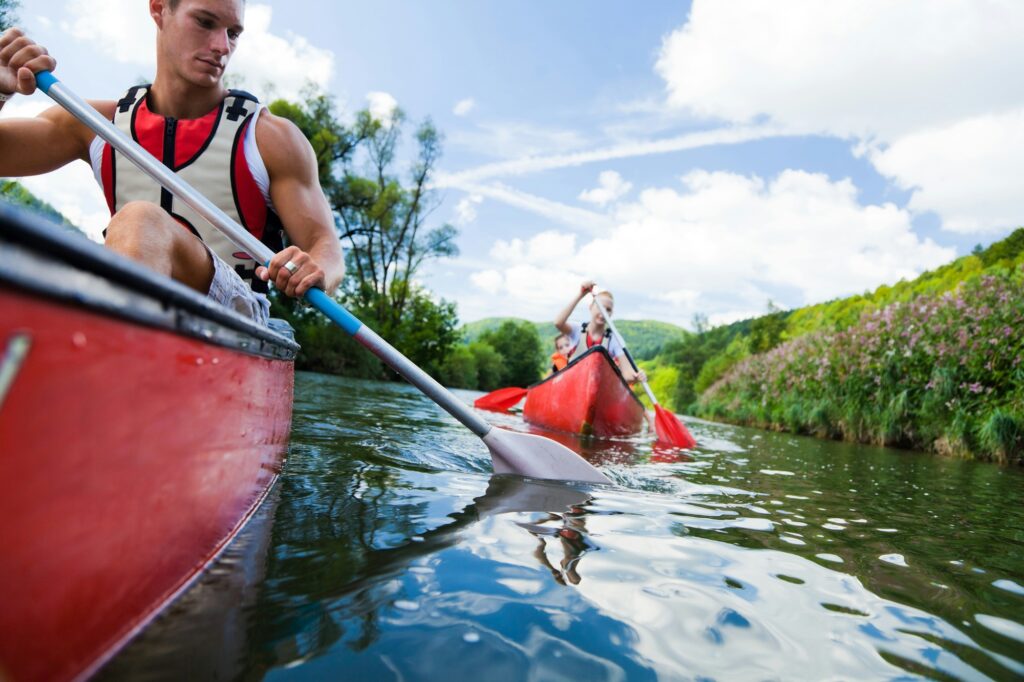
Canoeing is a timeless outdoor pursuit, blending adventure, skill, and a unique connection with nature. Whether you’re gliding across a tranquil lake or navigating a winding river, mastering the fundamentals is essential for both safety and enjoyment. Among the most foundational concepts in canoeing are the “three golden rules”-a trio of principles that, when followed, dramatically enhance your paddling efficiency, comfort, and safety. These rules are not just for beginners; even seasoned paddlers rely on them to refine their technique and navigate challenging conditions.

Photo by Razvan Chisu on Unsplash

The Three Golden Rules of Canoeing

1. Use the Power of Torso Rotation
2. Let Your Upper and Lower Body Work Independently, but Cooperatively
3. Keep Your Hands Within Your Field of Vision

Let’s explore each of these golden rules in depth, understand why they matter, and see how they shape every stroke on the water.

1. Use the Power of Torso Rotation

The first golden rule of canoeing is to harness the strength of your torso, not just your arms, for every stroke. Many beginners make the mistake of paddling primarily with their arms and shoulders, which quickly leads to fatigue and inefficient movement. Instead, effective canoeists engage their core muscles through a technique called torso rotation.

What is Torso Rotation?
Torso rotation involves twisting at the waist so that your upper body generates the force behind each paddle stroke. When you reach forward to plant your paddle, your chest should turn away from the direction your canoe is pointing. As you pull the paddle back through the water, you unwind your torso, transferring powerful energy into the stroke.

Why is This Important?

  • Efficiency: Using your core muscles allows you to paddle farther with less effort.
  • Power: Your torso is much stronger than your arms alone, enabling stronger and more controlled strokes.
  • Injury Prevention: Relying solely on your arms can strain your shoulders and joints; torso rotation distributes the workload and reduces the risk of overuse injuries.

How to Practice:

  • Sit upright in your canoe with your feet braced.
  • As you reach forward for a stroke, rotate your shoulders and chest, not just your arms.
  • Imagine your arms as guides for the paddle, while your torso acts as the engine.

2. Let Your Upper and Lower Body Work Independently, but Cooperatively

The second golden rule emphasizes the importance of allowing your upper and lower body to perform distinct, yet complementary, roles. This separation is crucial for stability, maneuverability, and effective paddling.

Upper Body:

  • Controls the paddle and provides the power needed to move and steer the canoe.

Lower Body:

  • Maintains the canoe’s stability and can tilt or edge the boat as needed, especially during turns or in rough water.

Why is This Important?

  • Balance: Your lower body, especially your knees and hips, keeps the canoe steady while your upper body focuses on propulsion.
  • Agility: By pressing with one knee or shifting your hips, you can tilt the canoe to carve turns, similar to leaning into a bicycle turn.
  • Coordination: This division of labor allows for smoother, more controlled movements, making advanced maneuvers possible.

How to Practice:

  • Sit with your knees comfortably braced against the sides of the canoe.
  • As you paddle, focus on keeping your lower body stable while your upper body rotates and moves.
  • Practice edging the canoe by pressing down with one knee while keeping your upper body upright.

3. Keep Your Hands Within Your Field of Vision

The third golden rule is about maintaining a safe and effective hand position throughout every stroke. This is often described as keeping your hands, arms, and paddle forming a “box” in front of your chest, always within your field of vision.

What Does This Mean?

  • Your hands should never travel behind your shoulders or outside your line of sight.
  • When reaching for a stroke behind you, rotate your torso so your hands remain in front of your chest, rather than twisting your arms awkwardly.

Why is This Important?

  • Stroke Efficiency: Keeping your hands in sight ensures your strokes are powerful and controlled.
  • Comfort: This position is ergonomically natural, reducing strain on your shoulders and wrists.
  • Safety: Extending your arms behind your body can lead to shoulder injuries, especially in dynamic situations like bracing or recovering from a near-capsize.

How to Practice:

  • Hold your paddle in front of you, arms slightly bent, forming a rectangle (the “box”) with your chest and paddle shaft.
  • As you paddle, keep this box intact, rotating your torso to reach further rather than stretching your arms out of alignment.

Applying the Golden Rules: Real-World Scenarios

Understanding the golden rules is only the first step; applying them on the water is where they make the biggest difference.

Forward Stroke:

  • Rotate your torso as you reach forward, plant the paddle, and unwind your body to pull the canoe forward.
  • Keep your hands in front of your chest, maintaining the box.
  • Lower body remains stable, bracing the canoe as needed.

Turning and Carving:

  • Use your lower body to tilt the canoe into the turn, while your upper body controls the paddle.
  • Rotate your torso to power the turning stroke, keeping hands in your field of vision.

Bracing and Recovery:

  • If you lose balance, your lower body reacts to stabilize the canoe.
  • Use a low or high brace with your paddle, keeping your hands in the safe “box” position to avoid shoulder strain.

Beyond Technique: Safety and Planning

While the three golden rules focus on paddling technique, safe canoeing also relies on good judgment and preparation. Experts recommend:

  • Choosing Appropriate Conditions: Paddle in environments suited to your skill level-calm lakes for beginners, more dynamic rivers for experienced paddlers.
  • Planning for Emergencies: Always have a plan for what to do in case of a capsize. Practice re-entry techniques and stay close to shore if you’re unsure of your abilities.
  • Checking Weather and Conditions: Be flexible and ready to adjust your plans if weather or water conditions change unexpectedly.

And if you ever find yourself unexpectedly locked out of your RV before or after a paddling trip, knowing where to turn for emergency lockout help can save the day.

Common Mistakes and How to Avoid Them

Even with the golden rules in mind, paddlers can fall into common traps:

  • Paddling Only with Arms: This leads to fatigue and inefficient strokes. Focus on engaging your core and rotating your torso.
  • Overreaching or Twisting Arms: Always rotate your torso to reach further, rather than extending your arms beyond your field of vision.
  • Neglecting Lower Body: Don’t let your lower body go passive; use it actively for balance and control.

The Foundation for Lifelong Canoeing

The three golden rules of canoeing-using torso rotation, coordinating upper and lower body movements, and keeping your hands within your field of vision-form the backbone of effective paddling. By mastering these principles, you’ll not only paddle more efficiently and comfortably but also dramatically reduce your risk of injury and increase your enjoyment on the water.

These rules are timeless because they apply to every paddler, from the first-time canoeist to the seasoned expedition leader. Practice them until they become second nature, and you’ll find yourself gliding across the water with confidence, grace, and a deeper connection to the rhythms of nature.

Whether you’re out for a leisurely afternoon or embarking on a wilderness adventure, remember: the golden rules are your key to unlocking the full potential of canoeing.

The written content on this page was generated by perplexity.ai.

Canoeing Guidelines

Where is the best place to sit in a canoe?

Canoeing is an enjoyable outdoor activity that offers both recreation and exercise. However, the experience can be significantly influenced by how one sits in the canoe. The best seating position can depend on various factors, including the type of canoe, water conditions, and personal comfort preferences. This article explores the best places to sit in a canoe, examining different positions and their advantages.

Types of Canoe Seating Positions

  1. Sitting Position
    • Description: Sitting involves placing your buttocks on the seat with legs extended or bent.
    • Advantages:
      • Comfort: This position is generally more comfortable for long durations, reducing stress on the knees and providing better circulation.
      • Stability: While it may not be as stable as kneeling, sitting can still offer a good balance in calm waters.
      • Power Generation: With proper technique, paddlers can generate significant power by rotating their torso rather than relying solely on arm strength.
  2. Kneeling Position
    • Description: Kneeling involves resting on your knees with your buttocks either on the seat or against the bottom of the canoe.
    • Advantages:
      • Lower Center of Gravity: This position lowers the center of gravity, which enhances stability, especially in rough waters or windy conditions.
      • Control: Kneeling provides better control over the canoe’s direction and allows for quicker maneuvers.
      • Power and Efficiency: Many experienced paddlers prefer kneeling for its ability to generate power efficiently through body mechanics.
  3. Hybrid Positions
    • Many paddlers adopt hybrid positions that combine elements of both sitting and kneeling. For example:
      • One leg may be extended while the other is tucked under the seat, allowing for comfort while maintaining some stability.
      • A high kneel position can be used to provide a better vantage point while still benefiting from increased stability.

Factors Influencing the Best Seating Position

  1. Type of Canoe
    • Canoes come in various designs, including solo and tandem models. The type of canoe can dictate which seating position is most effective. For instance, solo canoes often allow for more freedom of movement compared to tandem canoes where weight distribution is crucial.
  2. Water Conditions
    • In calm waters, sitting may be preferred for comfort and ease of paddling. Conversely, during turbulent conditions or when navigating rapids, kneeling provides greater stability and control.
  3. Duration of Paddling
    • For long-distance paddling, comfort becomes paramount. Sitting may be more sustainable over extended periods; however, alternating between sitting and kneeling can help alleviate discomfort from prolonged pressure on specific body parts.
  4. Personal Preference
    • Ultimately, personal comfort plays a significant role in determining the best seating position. Some paddlers may prefer sitting due to knee issues or discomfort when kneeling, while others might find kneeling more stable and empowering during challenging paddling situations.

Tips for Finding Your Best Position

  • Experiment with Positions: Try different positions to see which feels most comfortable and effective for you.
  • Adjust Your Technique: If you choose to sit, ensure you maintain good posture by sitting up straight and engaging your core muscles for power generation.
  • Use Foot Braces: If available, foot braces can enhance stability while sitting by allowing you to brace your feet against something solid5.
  • Stay Flexible: Be willing to change positions as needed based on comfort and water conditions.

Choosing the best place to sit in a canoe is not a one-size-fits-all decision; it depends on multiple factors including personal preference, type of canoe, and environmental conditions. We’ve been trained in all aspects of the industry but we have also been trained to know how to provide great customer service. Both sitting and kneeling have their advantages and disadvantages. By understanding these factors and experimenting with different positions, paddlers can enhance their canoeing experience significantly.

Whether you are a novice or an experienced paddler, finding your ideal seating position will contribute to a more enjoyable outing on the water.

The written content on this page was generated by perplexity.ai.
Canoeing Guidelines

What to avoid when canoeing in Minnesota?

Canoeing in Minnesota is a beloved outdoor activity, offering breathtaking views and a chance to connect with nature. However, it comes with its own set of challenges and risks. To ensure a safe and enjoyable experience, it is essential to be aware of what to avoid while canoeing in the state. This article will outline key precautions and common pitfalls that can enhance your canoeing adventure.

Understanding the Environment

Weather Conditions

One of the most significant factors affecting canoeing safety is the weather. Minnesota’s weather can be unpredictable, and conditions can change rapidly. Here are some weather-related considerations:

  • Avoid Canoeing During Severe Weather: High winds, thunderstorms, and heavy rain can create dangerous conditions on the water. Always check the weather forecast before heading out and be prepared to change your plans if severe weather is predicted.
  • Be Cautious of Wind and Waves: On larger lakes, strong winds can create large waves that make paddling difficult and unsafe. If you notice the wind picking up, consider returning to shore or finding a more sheltered area to paddle.

Water Conditions

Understanding water conditions is crucial for safety:

  • Avoid Paddling in Fast-Moving Water: Swift currents can be challenging for even experienced paddlers. If you’re new to canoeing, it’s best to stick to calm lakes or slow-moving rivers.
  • Watch for Obstacles: Be aware of submerged rocks, fallen trees, and other obstacles that could capsize your canoe. Always maintain a lookout for these hazards, especially in unfamiliar waters.

Safety Gear and Equipment

Life Jackets

One of the most critical safety measures is wearing a life jacket:

  • Never Canoe Without a Life Jacket: All paddlers should wear U.S. Coast Guard-approved life jackets at all times while on the water. This is especially important for children and inexperienced paddlers.

Canoe Maintenance

Proper maintenance of your canoe is vital for safety:

  • Avoid Overloading Your Canoe: Each canoe has a weight limit that should not be exceeded. Overloading can lead to instability and increase the risk of capsizing.
  • Check Your Equipment Before Launching: Ensure that your canoe is in good condition before heading out. Look for leaks, cracks, or any other signs of wear that could compromise safety.

Planning Your Trip

Planning your trip involves more than just packing your bags—it’s crucial to ensure your home’s security with a reliable lockout plan. Before leaving, double-check that all doors and windows are securely locked. Consider installing smart locks for added convenience and security. Arrange for a trusted neighbor or friend to keep an eye on your property, collect mail, and manage any deliveries. Lastly, avoid broadcasting your absence on social media to minimize the risk of burglary. Taking these steps will help you enjoy your trip with peace of mind, knowing your home is safe and secure.

Route Selection

Choosing the right route is essential for a safe canoeing experience:

  • Avoid Routes Beyond Your Skill Level: Be honest about your abilities when selecting a route. If you’re a beginner, opt for calm lakes or gentle rivers rather than challenging rapids or large bodies of water.
  • Plan Your Trip Ahead of Time: Use maps to plan your route and share your plans with someone who will not be accompanying you. Include expected put-in and take-out times so others know where you are.

Group Dynamics

Canoeing with others can enhance safety but requires coordination:

  • Avoid Paddling Alone: Whenever possible, paddle with a companion or group. This way, help is readily available in case of emergencies.
  • Communicate Clearly with Your Group: Establish signals for communication while on the water. This ensures everyone knows what to expect and can respond quickly if necessary.

Alcohol and Substance Use

Stay Sober While Paddling

Alcohol consumption significantly impairs judgment and reaction times:

  • Avoid Drinking Alcohol Before or During Canoeing: Alcohol can affect your ability to navigate obstacles and respond to emergencies. Stay sober to ensure you can make sound decisions while on the water1.

Navigational Awareness

Follow Navigation Rules

Canoeing often takes place in shared waterways:

  • Obey All Navigational Aids: Familiarize yourself with local navigation rules and obey markers and buoys. This helps prevent collisions with motorized vessels2.

Stay Visible

Visibility is crucial when sharing waterways:

  • Avoid Paddling at Night Without Proper Equipment: If you must paddle after dark, ensure you have appropriate lighting equipment to make yourself visible to other boaters.

Health Precautions

First Aid Preparedness

Being prepared for health emergencies can make a difference:

  • Carry a First Aid Kit: Always have a well-stocked first aid kit on board. Familiarize yourself with its contents so you know how to use them if needed4.

Hydration and Nutrition

Staying hydrated is essential during physical activities:

  • Avoid Dehydration by Bringing Enough Water: Pack sufficient drinking water in waterproof containers. Dehydration can impair your performance and judgment.

Environmental Considerations

Protecting Natural Resources

As you enjoy Minnesota’s waterways, it’s important to respect the environment:

  • Avoid Polluting Waterways: Dispose of waste properly and avoid leaving trash behind. Clean off any aquatic plants or animals from your canoe before launching it into different waters2.

Respect Wildlife

Minnesota’s lakes are home to diverse wildlife:

  • Avoid Disturbing Wildlife Habitats: Keep a respectful distance from nesting birds or other wildlife. Avoid making loud noises that could frighten animals or disrupt their natural behavior.

Canoeing in Minnesota offers an incredible opportunity to explore nature while enjoying physical activity. However, being aware of what to avoid while on the water is crucial for ensuring your safety and that of others around you. From understanding environmental conditions to adhering to safety regulations, taking these precautions will help you have an enjoyable experience on Minnesota’s beautiful lakes and rivers.By planning ahead, being mindful of your surroundings, and respecting both nature and fellow paddlers, you can create lasting memories while minimizing risks associated with canoeing.

The written content on this page was generated by perplexity.ai.

Canoeing Guidelines

Do you need a license for a canoe in Minnesota?

In Minnesota, the regulations regarding canoe licensing are clear and designed to ensure safety on the water. Canoeing is a popular outdoor activity in the state, thanks to its many lakes and rivers. However, understanding whether a license is required for your canoe can be crucial for compliance with local laws. This article will explore the licensing requirements for canoes in Minnesota, including exceptions, registration processes, and safety considerations.

Licensing Requirements for Canoes in Minnesota

General Licensing Rules

In Minnesota, all non-motorized watercraft that are over 10 feet in length must be licensed by the Department of Natural Resources (DNR). This includes canoes, kayaks, paddleboards, and other similar vessels. If your canoe measures 10 feet or less, you do not need to register it or obtain a license.

Exceptions to Licensing

There are specific exceptions to the licensing requirement that boaters should be aware of:

  • Out-of-State Watercraft: If a canoe is registered in another state and is not kept in Minnesota for more than 90 consecutive days, it does not require a Minnesota license.
  • Government-Owned Watercraft: Canoes owned by government entities are exempt from licensing unless used for recreational purposes.
  • Certain Types of Craft: Lifeboats and specific hunting boats during designated seasons may also be exempt from licensing requirements.

Registration Process

If you own a canoe that requires registration, here’s how to go about it:

  1. Complete the Universal Registration Form: This form can be printed from the DNR website.
  2. Submit Your Application: You can apply in person at designated locations such as county customer service centers.
  3. Provide Necessary Documentation: Bring valid identification and any other required documents, such as a certificate of origin if the canoe is new.
  4. Pay Registration Fees: Fees vary based on the type of watercraft and its length. For canoes over 10 feet, you can expect to pay around $23 plus an issuing fee.

Importance of Licensing

Licensing your canoe is not just about compliance; it also contributes to safety on Minnesota’s waterways. Licensed watercraft are easier to identify in case of emergencies or accidents. Furthermore, registration helps fund conservation efforts and maintenance of public waterways.

Safety Regulations for Canoeing

In addition to licensing requirements, there are several safety regulations that canoeists should adhere to while enjoying Minnesota’s waters:

Life Jacket Requirements

Minnesota law mandates that all children under the age of 10 must wear a life jacket when aboard any watercraft, including canoes. While adults are not required by law to wear life jackets, it is highly recommended for safety.

Equipment Regulations

Canoes should be equipped with essential safety gear such as:

  • A whistle or sound-producing device
  • A white light if paddling at night
  • A first aid kit
  • Extra paddles and flotation devices

Boating Education

While no formal boating education is required for operating non-motorized vessels like canoes, understanding basic boating safety principles is beneficial. The DNR offers resources and courses that cover essential safety practices.

In summary, whether you need a license for your canoe in Minnesota largely depends on its length. Canoes over 10 feet must be registered with the DNR, while smaller ones do not require licensing. Understanding these regulations helps ensure a safe and enjoyable experience on Minnesota’s beautiful waters.For those planning to embark on canoeing adventures, it’s essential to stay informed about local laws and safety practices. By doing so, you contribute not only to your safety but also to the preservation of Minnesota’s natural resources.

The written content on this page was generated by perplexity.ai.