Canoe Types and Equipment

What are two names for canoes?

The term “Canadian canoe” is often used, especially to distinguish the typical open, lightweight canoe propelled by a single-bladed paddle, where paddlers face forward, from other similar watercraft such as kayaks. This name emphasizes the style of the canoe traditionally used in Canada, often resembling the birchbark canoes historically used by Indigenous peoples in North America. The Canadian canoe is open from end to end and designed primarily for paddling without a fixed oarlock.
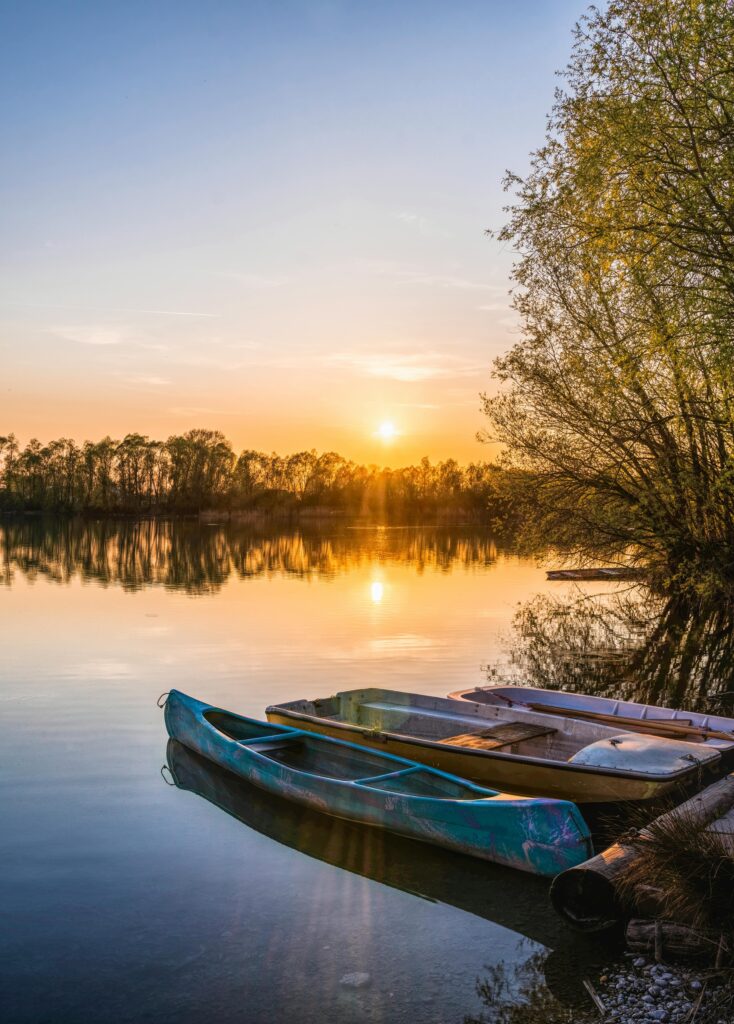
The “dugout” canoe refers to a type of canoe traditionally made by hollowing out a single log. This ancient method of construction dates back thousands of years and was used by many cultures around the world. Dugout canoes tend to be heavier and sturdier than frame and skin canoes and were widely used for fishing, transportation, and even warfare. Examples include large dugout canoes found in Africa and North America, and their legacy continues in traditional paddling craft.

Other names sometimes used for small, canoe-like boats include terms like “pirogue,” “coracle,” and in some English-speaking countries, even the word “kayak” may be referred to as a kind of canoe, though technically kayaks have a covered deck and are paddled with a double-bladed paddle rather than a single blade.

Expanded Explanation and Context

The word “canoe” itself has a rich etymology. It stems from the Carib word canáoa—a West Indian term encountered by European explorers such as Columbus—and evolved into the French word canot, and German Kahn, eventually related to the Latin canna meaning reed or vessel. This historical origin reflects the type of craft first described, generally a lightweight open boat propelled by paddles.

Canadian Canoe

The Canadian canoe is among the most familiar forms of canoe worldwide and is characterized by:

  • Being open on top from bow to stern.
  • Typically propelled by one or more paddlers using single-bladed paddles.
  • Usually constructed of lightweight materials today, such as fiberglass, Kevlar, or aluminum.
  • Designed for rivers and lakes, used widely for recreational, sporting, or expedition purposes.
  • Having a hull shape optimized for stability and efficiency in calm to moderately rough waters.

These canoes have evolved from Indigenous designs using birch bark stretched over wooden frames or wood and canvas constructions.

Dugout Canoe

The dugout canoe is one of the earliest forms of the canoe. It is made by hollowing out a large log with fire and tools, a labor-intensive process. These canoes were used historically worldwide:

  • In North America, African, and Pacific cultures.
  • Some dugouts could be massive, such as one measuring over 60 feet long and 8 feet wide, capable of carrying many people or large cargo.
  • Dugouts are typically heavier but extremely durable and can handle rougher waters.
  • Modern paddling war canoes and racing canoes are considered the evolutionary descendants of traditional dugouts.

Other Names and Variants

  • Pirogue: A slender, flat-bottomed boat sometimes interchangeable with “canoe,” often found in the southern United States and Caribbean regions. It can be a dugout or built with planks.
  • Coracle: A small rounded lightweight boat made from woven wood and animal hide or waterproofed material, used in parts of the UK and Ireland.
  • Kayak: Sometimes called a canoe in British English, kayaks are distinct due to their covered decks and use of double-bladed paddles.

Summary

  • Canadian canoe: The familiar open canoe paddled with single-bladed paddles, often associated with North American Indigenous and recreational contexts.
  • Dugout: A canoe made from a hollowed-out log, one of the oldest canoe types used worldwide.

These two names are the most representative distinctive terms referring to types or forms of canoes, both historically and in modern usage.

Tags: canoe, Canadian canoe, dugout, paddling, watercraft, boatingTwo common alternative names for canoes are Canadian canoe and dugout.

The Canadian canoe refers to the classic open-top, narrow boat pointed at both ends, propelled by single-bladed paddles. It derives its name from the traditional style used by Indigenous peoples in Canada and is still widely used recreationally and competitively. This type emphasizes paddlers facing forward and steering manually, and is distinguished from kayaks, which usually have a deck and use double-bladed paddles.

The dugout canoe is one of the earliest types of canoes, made by hollowing out a single log. Dugouts have been used worldwide for thousands of years, notable for their sturdiness and often larger size compared to framed canoes. They remain culturally significant in some regions and served various functions, including transport and war canoes.

These two names—Canadian canoe and dugout—highlight key historical and structural forms of what is broadly called a canoe. Other related terms sometimes interchangeably used but less commonly include piroguecoracle, and in some contexts, kayak (noting kayaks differ by having a covered deck and double-bladed paddle).

The written content on this page was generated by perplexity.ai.
Beginner Guides

Who guides a canoe?

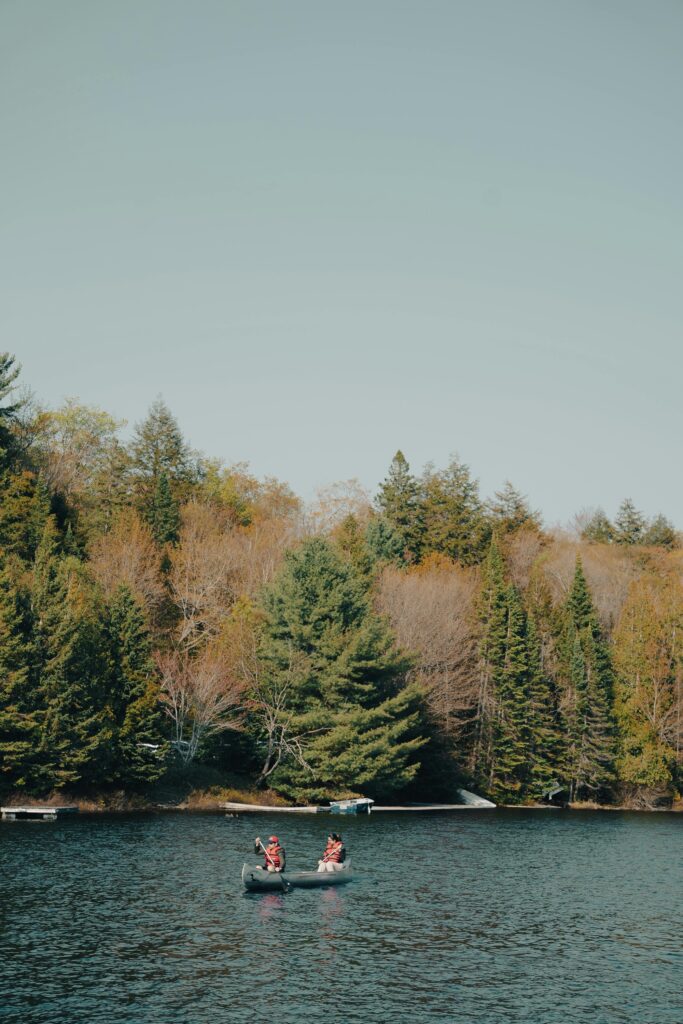
A canoe is typically guided by a canoe guide—an experienced paddler responsible for leading, instructing, and ensuring the safety of participants during canoe trips. The guide’s role extends far beyond simply steering the canoe; it involves leadership, teaching, risk management, and often sharing deep knowledge about the natural environment. Whether on calm lakes, winding rivers, or gentle rapids, the canoe guide is the cornerstone of a successful and safe paddling experience.

Responsibilities of a Canoe Guide

Photo by apertur2.8

Trip Leadership

Canoe guides lead both day trips and multi-day expeditions, managing group dynamics and logistics. They coordinate activities such as setting daily goals, organizing portages (carrying the canoe overland between water bodies), and ensuring that all participants understand and follow safety protocols. Their leadership helps maintain group morale and cohesion, especially during challenging conditions.

Instruction

A key part of the guide’s role is teaching paddling techniques tailored to the skill levels of participants. This includes demonstrating proper strokes, how to enter and exit the canoe safely, and how to work as a team when paddling tandem. Guides also instruct on safety measures such as self-rescue, capsizing procedures, and how to respond to emergencies on the water.

Safety Management

Canoe guides are trained to anticipate and manage risks. They carry essential safety gear including first aid kits, throw bags, and communication devices. In emergencies—whether it’s sudden weather changes, injuries, or equipment failures—the guide acts quickly to protect the group. They also conduct safety briefings before trips and ensure everyone wears personal flotation devices (PFDs).

Navigation

Guides are skilled at reading water conditions, weather patterns, and natural landmarks to navigate safely. They plan routes that suit the group’s ability and the environment, avoiding hazards like strong currents, shallow rocks, or dangerous rapids. Their ability to interpret maps and GPS data is crucial for keeping the group on course and on schedule.

Natural Interpretation

Many canoe guides enrich the trip by sharing knowledge about the local ecosystem, wildlife, geology, and cultural history. This interpretive role transforms a simple paddling excursion into an educational adventure, fostering a deeper appreciation for nature and conservation.

Logistics

Beyond paddling, guides handle a variety of logistical tasks. This can include maintaining and repairing equipment, organizing gear transport, managing food supplies, and setting up campsites during overnight trips. Their organizational skills ensure that trips run smoothly from start to finish.

Qualifications and Skills

Canoe guides possess a blend of technical paddling expertise, outdoor leadership experience, and safety certifications. Common qualifications include:

  • Wilderness First Aid or First Responder Certification: Essential for managing medical emergencies in remote areas.
  • CPR and Swiftwater Rescue Training: Critical for water-based rescues and life-saving interventions.
  • Advanced Paddling Certifications: Such as those offered by Paddle Canada or similar organizations, which validate proficiency in canoe handling and safety.
  • Strong Communication and Leadership Abilities: To effectively instruct and manage groups of varying skill levels.
  • Physical Fitness: Guides must be capable of carrying heavy canoes and gear, often over uneven terrain during portages.

Additional valuable skills may include knowledge of local indigenous cultures, second-language fluency, or expertise in natural history and wildlife identification.

The Guide’s Role in the Canoe

On the water, the guide typically steers from the stern (back) of the canoe, where they have the best vantage point to control direction and speed. The stern position allows the guide to make precise steering adjustments using strokes like the J-stroke, keeping the canoe on course. In group trips, the guide may paddle solo or with a partner but always holds ultimate responsibility for the group’s safety, navigation, and overall experience.

A canoe guide is much more than just a paddler—they are leaders, teachers, and stewards of safety and the environment. Their expertise ensures that canoe trips are not only safe but also memorable and enriching for everyone involved. Whether you’re embarking on your first canoe journey or an experienced adventurer, a skilled guide can transform the experience into a seamless blend of adventure, learning, and connection with nature.

The written content on this page was generated by perplexity.ai.
Beginner Guides

How to canoe for beginners?

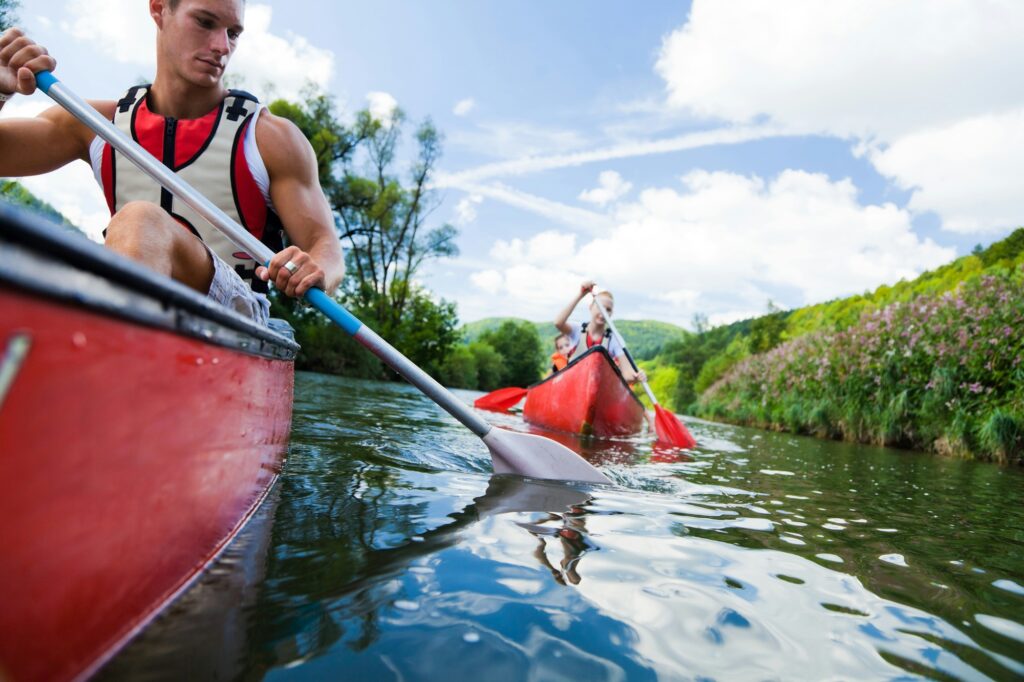
Canoeing is an accessible and rewarding way to explore lakes, rivers, and even gentle rapids. For beginners, learning the basics of canoeing ensures a safer and more enjoyable experience on the water. This guide covers essential tips, techniques, and safety advice to help you get started.

Getting Into the Canoe

Positioning the canoe correctly is crucial for a smooth entry. If launching from a dock or rocky shoreline, place the canoe parallel to the dock or shore. One person should stabilize the canoe by holding onto the gunwales (the sides of the canoe), while the other steps in. Always step one foot at a time into the center line of the canoe, keeping your weight low to maintain balance. Use the gunwales for support as you move, and slide your hands along them for extra stability.

When launching from a beach or shallow shoreline, position the canoe perpendicular to the shore with the bow in the water. The bow paddler enters first, walking carefully to their seat, followed by the stern paddler who pushes the canoe off before stepping in. If you’re solo, enter near the narrower stern, reach across to the far gunwale to balance your weight, and move forward to your seat.

Proper Seating and Balance

Stability in a canoe depends on proper seating and weight distribution. Sit or kneel low and centered in the canoe to lower your center of gravity and maximize stability. Kneeling can provide extra control, especially in rougher water or rapids. When paddling with a partner, the heavier or more experienced paddler should sit in the stern (back), while the lighter paddler takes the bow (front). This helps balance the canoe and makes steering easier.

For solo paddlers, position yourself close to the center of the canoe to keep it balanced. Adjust seat positions according to your needs—seats closer to the ends provide more leverage for turning but may reduce stability, while seats closer to the center offer greater stability and comfort. Seat height also matters: lower seats increase stability, while higher seats make it easier to paddle and maneuver. Many paddlers angle the seat slightly forward for comfort, especially when kneeling.

Essential Paddling Strokes

Forward Stroke
The forward stroke is your primary means of propulsion. Reach forward along the side of the canoe, plant the blade vertically in the water, and pull it straight back toward your hip, using your torso and shoulders for power rather than just your arms. Keep your grip hand at about eye level and focus on smooth, steady strokes for efficiency.

Backward Stroke
To stop or reverse, use the backward stroke. Start with the paddle near your hip and push it forward through the water. This stroke is essential for braking and maneuvering in tight spots.

J-Stroke
The J-stroke is vital for keeping the canoe moving straight, especially for the stern paddler. After a forward stroke, twist your wrist and angle the blade outward in a small “J” shape. This subtle correction helps counteract the natural tendency of the canoe to turn and keeps you on course.

Draw Stroke
The draw stroke moves the canoe sideways, useful for docking or avoiding obstacles. Reach the paddle out over the water, plant the blade, and pull the canoe toward the paddle. To recover, turn the blade perpendicular to the canoe and slice it away from you or lift it out of the water.

Other Useful Strokes

  • Cross Draw Stroke: A variation of the draw stroke, performed on the opposite side by rotating your torso and reaching across the canoe.
  • Stern Pry Stroke: Used at the end of a forward stroke to bring the canoe toward the paddle side, aiding in sharp turns.

Steering and Coordination

Paddling in sync with your partner is key for smooth movement and control. Partners should paddle on opposite sides for balance and to keep the canoe straight. To turn, both paddlers can paddle on the same side, or use a combination of forward and backward strokes on opposite sides. Good communication and rhythm between paddlers make steering easier and more efficient.

Safety Tips

  • Always wear a properly fitted personal flotation device (PFD).
  • Enter and exit the canoe slowly, keeping your weight low and centered.
  • Avoid sudden movements and keep the bulk of the weight in the middle of the canoe.
  • Check weather conditions before heading out and avoid paddling in questionable weather.
  • Know your limits—start in calm, slow-moving waters before progressing to more challenging environments.
  • Be aware of your surroundings and potential hazards like rocks, logs, low-hanging branches, and other boats.
  • Regularly inspect your canoe for leaks, cracks, or damage before each trip.
  • Carry essential safety gear, including a whistle, first aid kit, and rescue equipment.

Practice makes perfect—start on calm, flat water to build your confidence and skills before tackling rivers or rapids. When approaching rapids, look for downstream “V” shapes in the water, which indicate a clear path, and avoid upstream “V” shapes that signal rocks or obstacles. Always stay alert to your environment and enjoy the sense of adventure and connection with nature that canoeing provides.

With these basics, beginners can confidently embark on their canoeing journey, building skills and creating lasting memories on the water.

The written content on this page was generated by perplexity.ai.
Canoeing Guidelines

What are the three golden rules of canoeing?

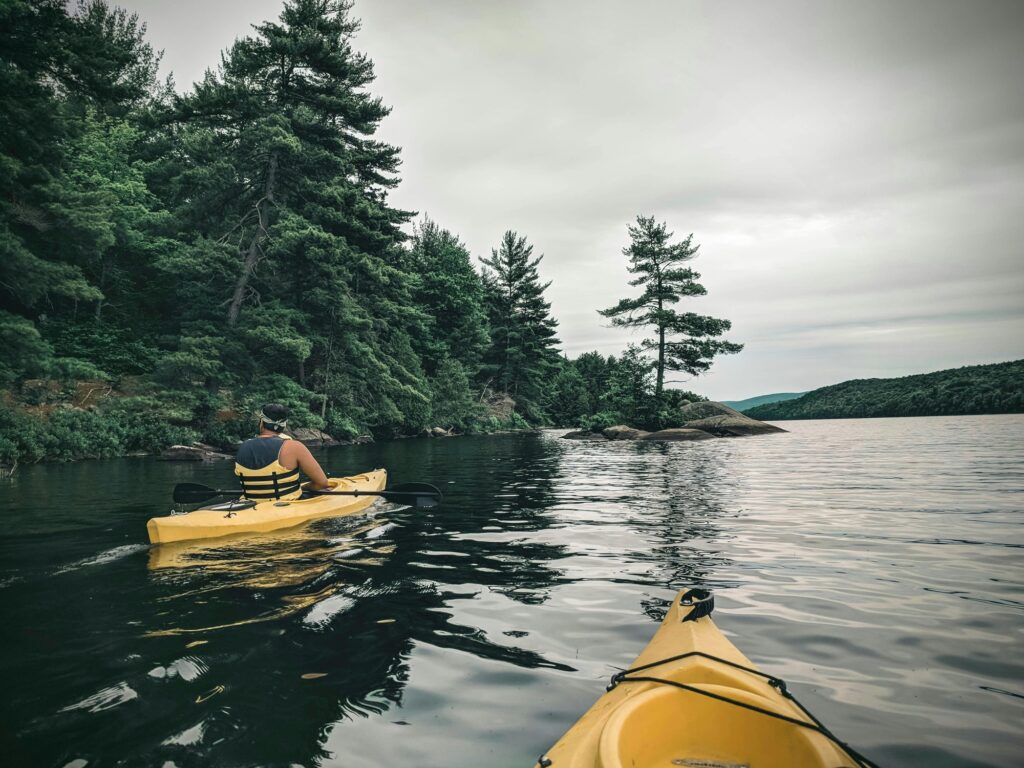
Canoeing is a timeless outdoor pursuit, blending adventure, skill, and a unique connection with nature. Whether you’re gliding across a tranquil lake or navigating a winding river, mastering the fundamentals is essential for both safety and enjoyment. Among the most foundational concepts in canoeing are the “three golden rules”-a trio of principles that, when followed, dramatically enhance your paddling efficiency, comfort, and safety. These rules are not just for beginners; even seasoned paddlers rely on them to refine their technique and navigate challenging conditions.

Photo by Razvan Chisu on Unsplash

The Three Golden Rules of Canoeing

1. Use the Power of Torso Rotation
2. Let Your Upper and Lower Body Work Independently, but Cooperatively
3. Keep Your Hands Within Your Field of Vision

Let’s explore each of these golden rules in depth, understand why they matter, and see how they shape every stroke on the water.

1. Use the Power of Torso Rotation

The first golden rule of canoeing is to harness the strength of your torso, not just your arms, for every stroke. Many beginners make the mistake of paddling primarily with their arms and shoulders, which quickly leads to fatigue and inefficient movement. Instead, effective canoeists engage their core muscles through a technique called torso rotation.

What is Torso Rotation?
Torso rotation involves twisting at the waist so that your upper body generates the force behind each paddle stroke. When you reach forward to plant your paddle, your chest should turn away from the direction your canoe is pointing. As you pull the paddle back through the water, you unwind your torso, transferring powerful energy into the stroke.

Why is This Important?

  • Efficiency: Using your core muscles allows you to paddle farther with less effort.
  • Power: Your torso is much stronger than your arms alone, enabling stronger and more controlled strokes.
  • Injury Prevention: Relying solely on your arms can strain your shoulders and joints; torso rotation distributes the workload and reduces the risk of overuse injuries.

How to Practice:

  • Sit upright in your canoe with your feet braced.
  • As you reach forward for a stroke, rotate your shoulders and chest, not just your arms.
  • Imagine your arms as guides for the paddle, while your torso acts as the engine.

2. Let Your Upper and Lower Body Work Independently, but Cooperatively

The second golden rule emphasizes the importance of allowing your upper and lower body to perform distinct, yet complementary, roles. This separation is crucial for stability, maneuverability, and effective paddling.

Upper Body:

  • Controls the paddle and provides the power needed to move and steer the canoe.

Lower Body:

  • Maintains the canoe’s stability and can tilt or edge the boat as needed, especially during turns or in rough water.

Why is This Important?

  • Balance: Your lower body, especially your knees and hips, keeps the canoe steady while your upper body focuses on propulsion.
  • Agility: By pressing with one knee or shifting your hips, you can tilt the canoe to carve turns, similar to leaning into a bicycle turn.
  • Coordination: This division of labor allows for smoother, more controlled movements, making advanced maneuvers possible.

How to Practice:

  • Sit with your knees comfortably braced against the sides of the canoe.
  • As you paddle, focus on keeping your lower body stable while your upper body rotates and moves.
  • Practice edging the canoe by pressing down with one knee while keeping your upper body upright.

3. Keep Your Hands Within Your Field of Vision

The third golden rule is about maintaining a safe and effective hand position throughout every stroke. This is often described as keeping your hands, arms, and paddle forming a “box” in front of your chest, always within your field of vision.

What Does This Mean?

  • Your hands should never travel behind your shoulders or outside your line of sight.
  • When reaching for a stroke behind you, rotate your torso so your hands remain in front of your chest, rather than twisting your arms awkwardly.

Why is This Important?

  • Stroke Efficiency: Keeping your hands in sight ensures your strokes are powerful and controlled.
  • Comfort: This position is ergonomically natural, reducing strain on your shoulders and wrists.
  • Safety: Extending your arms behind your body can lead to shoulder injuries, especially in dynamic situations like bracing or recovering from a near-capsize.

How to Practice:

  • Hold your paddle in front of you, arms slightly bent, forming a rectangle (the “box”) with your chest and paddle shaft.
  • As you paddle, keep this box intact, rotating your torso to reach further rather than stretching your arms out of alignment.

Applying the Golden Rules: Real-World Scenarios

Understanding the golden rules is only the first step; applying them on the water is where they make the biggest difference.

Forward Stroke:

  • Rotate your torso as you reach forward, plant the paddle, and unwind your body to pull the canoe forward.
  • Keep your hands in front of your chest, maintaining the box.
  • Lower body remains stable, bracing the canoe as needed.

Turning and Carving:

  • Use your lower body to tilt the canoe into the turn, while your upper body controls the paddle.
  • Rotate your torso to power the turning stroke, keeping hands in your field of vision.

Bracing and Recovery:

  • If you lose balance, your lower body reacts to stabilize the canoe.
  • Use a low or high brace with your paddle, keeping your hands in the safe “box” position to avoid shoulder strain.

Beyond Technique: Safety and Planning

While the three golden rules focus on paddling technique, safe canoeing also relies on good judgment and preparation. Experts recommend:

  • Choosing Appropriate Conditions: Paddle in environments suited to your skill level-calm lakes for beginners, more dynamic rivers for experienced paddlers.
  • Planning for Emergencies: Always have a plan for what to do in case of a capsize. Practice re-entry techniques and stay close to shore if you’re unsure of your abilities.
  • Checking Weather and Conditions: Be flexible and ready to adjust your plans if weather or water conditions change unexpectedly.

And if you ever find yourself unexpectedly locked out of your RV before or after a paddling trip, knowing where to turn for emergency lockout help can save the day.

Common Mistakes and How to Avoid Them

Even with the golden rules in mind, paddlers can fall into common traps:

  • Paddling Only with Arms: This leads to fatigue and inefficient strokes. Focus on engaging your core and rotating your torso.
  • Overreaching or Twisting Arms: Always rotate your torso to reach further, rather than extending your arms beyond your field of vision.
  • Neglecting Lower Body: Don’t let your lower body go passive; use it actively for balance and control.

The Foundation for Lifelong Canoeing

The three golden rules of canoeing-using torso rotation, coordinating upper and lower body movements, and keeping your hands within your field of vision-form the backbone of effective paddling. By mastering these principles, you’ll not only paddle more efficiently and comfortably but also dramatically reduce your risk of injury and increase your enjoyment on the water.

These rules are timeless because they apply to every paddler, from the first-time canoeist to the seasoned expedition leader. Practice them until they become second nature, and you’ll find yourself gliding across the water with confidence, grace, and a deeper connection to the rhythms of nature.

Whether you’re out for a leisurely afternoon or embarking on a wilderness adventure, remember: the golden rules are your key to unlocking the full potential of canoeing.

The written content on this page was generated by perplexity.ai.

Best Canoeing Spots

Tranquil Paddles: Canoeing Across Lake Nokomis

Nestled in the heart of Minneapolis, Lake Nokomis is a shimmering urban oasis that beckons outdoor enthusiasts and city dwellers alike. While the city’s Chain of Lakes often steals the spotlight, Nokomis offers a unique blend of tranquility, accessibility, and natural beauty—making it an ideal destination for those seeking a peaceful canoeing experience without leaving the city limits. This article explores the serene world of paddling across Lake Nokomis, from the rhythmic dip of your paddle to the vibrant community that thrives along its shores.

The Allure of Lake Nokomis

Lake Nokomis spans over 210 acres of water, surrounded by more than 400 acres of parkland. Its size provides ample space for paddlers to explore, whether you’re seeking solitude or a shared adventure with friends. Unlike some of the busier lakes in Minneapolis, Nokomis is known for its peaceful ambiance and lack of powered boats, ensuring a quiet, safe environment for canoeists and kayakers.

A Place for Everyone

Visitors consistently praise Nokomis for its clean waters and welcoming atmosphere. Whether you’re a seasoned paddler or a first-timer, the lake’s gentle shoreline and accessible launch sites make it easy to get started. Wheel Fun Rentals, located at the main beach, offers affordable canoe, kayak, and paddleboard rentals, so you don’t need to own your own gear to enjoy the water. For many, their first experience with canoeing or kayaking happens right here, creating lasting memories and a newfound love for paddling.

The Canoeing Experience

Launching Into Calm

Starting your journey is as simple as arriving at the main beach, where a dedicated launch area awaits. Early mornings often offer the calmest waters, with mist rising off the lake and the city slowly coming to life. As your canoe glides away from shore, the sounds of traffic and urban bustle fade, replaced by the gentle splash of your paddle and the calls of local birds.

Exploring the Lake

Lake Nokomis’s oval shape and open water make it easy to navigate, whether you’re aiming for a leisurely circuit or a longer workout. On windy days, paddling can be more challenging, but the lake’s size ensures there’s always a sheltered spot to find calmer water. The absence of motorized boats means you can focus on your rhythm and the scenery, rather than dodging wakes or noise.

Wildlife Encounters

Despite its urban setting, Nokomis is teeming with life. Watch for turtles sunning themselves on logs, herons stalking the shallows, and flocks of geese gliding across the surface. The lake’s natural shoreline and adjacent parkland provide habitat for a variety of birds and small mammals, making each paddle a mini nature expedition.

Community and Culture

A Gathering Place

Lake Nokomis is more than just a body of water—it’s a vibrant community hub. Joggers, cyclists, and families populate the trails that encircle the lake, while picnickers and sunbathers enjoy the grassy expanses. The main beach is a focal point for summer activity, with a playground for children and the popular Sandcastle eatery offering refreshments for hungry paddlers.

Events and Traditions

Throughout the summer, Lake Nokomis hosts events that draw paddlers and spectators alike. From canoe races to community festivals, the lake’s shores come alive with music, laughter, and the shared joy of outdoor recreation. These gatherings foster a sense of belonging and highlight the role of urban lakes in bringing people together.

Practical Tips for Canoeing at Lake Nokomis

Rentals and Access

  • Rentals: Wheel Fun Rentals operates at the main beach, providing canoes, kayaks, paddleboards, and pedal boats at reasonable rates.
  • Launch Sites: The primary launch is just south of the beach house, with easy access for both rentals and personal watercraft.
  • Parking: Arrive early, especially on weekends, to secure street parking and avoid fees. The lot can fill quickly on sunny days.

Safety and Comfort

  • Life Jackets: Always wear a properly fitted life jacket, regardless of your swimming ability.
  • Weather: Check conditions before heading out. Wind can create choppy water, especially in the afternoon.
  • Hydration and Sun Protection: Bring water, sunscreen, a hat, and sunglasses. The open water reflects sunlight, increasing the risk of sunburn and dehydration.
  • Buddy System: Paddle with a friend when possible, and let someone know your plans if you go solo.

Eco-Friendly Paddling

  • Leave No Trace: Pack out all trash and avoid disturbing wildlife or shoreline vegetation.
  • Reef-Safe Sunscreen: Choose mineral-based sunscreens to protect the lake’s ecosystem.
  • Respect Wildlife: Observe animals from a distance and never feed or approach them.

The Magic of Urban Nature

One of Lake Nokomis’s greatest charms is its ability to transport paddlers from city life into a world of natural calm. As you drift across the lake, skyscrapers recede behind a curtain of trees, and the only reminders of the city are the distant hum of traffic or the occasional airplane overhead. This juxtaposition of urban and natural environments makes canoeing here a truly unique experience.

Solitude and Connection

For many, paddling on Nokomis is a form of meditation—a chance to disconnect from screens, schedules, and stress. The repetitive motion of paddling, the gentle sway of the canoe, and the endless horizon of water create a sense of peace that’s hard to find elsewhere. At the same time, the lake’s popularity ensures you’re never far from fellow adventurers, offering opportunities for both solitude and social connection.

Beyond Canoeing: Embracing the Lake Lifestyle

While canoeing is a highlight, Lake Nokomis offers a wealth of other activities. The 2.7-mile pedestrian and 2.78-mile bike trails are perfect for a post-paddle stroll or ride. Fishing piers, picnic areas, and playgrounds provide options for families and groups. After your paddle, reward yourself with a treat from Sandcastle or explore the nearby neighborhoods, each with their own character and charm.

Photo by Ali Kazal

Reflections from the Water

Paddling across Lake Nokomis is more than just a recreational outing—it’s a journey into the heart of Minneapolis’s natural heritage. The lake’s quiet beauty, accessible amenities, and welcoming community make it a haven for both locals and visitors. Whether you’re gliding through morning mist or basking in the glow of a summer sunset, each trip offers new discoveries and a deeper appreciation for the simple pleasures of life on the water.

The written content on this page was generated by perplexity.ai.

Lake Nokomis stands as a testament to the power of urban nature—an accessible escape where paddlers can find tranquility, adventure, and connection. As you dip your paddle and set out across its calm waters, you become part of a tradition that spans generations. So next time you crave a break from city life, remember that serenity awaits just beyond the shoreline, where the gentle rhythm of your paddle leads you into a world of peaceful discovery—just like the peace of mind you get when a trusted Minneapolis locksmith keeps your home or cabin secure while you’re away.

Canoe Types and Equipment

What are the different types of canoes?

Canoes, those elegant and versatile watercraft, have been a vital part of human history for millennia. From their origins as essential tools for transportation, hunting, and fishing to their modern role as recreational vessels, canoes have adapted and diversified to meet a wide range of needs and environments. This article explores the fascinating world of canoes, delving into the different types available, their unique characteristics, and their suitability for various paddling adventures.

A Brief History of the Canoe

The history of the canoe stretches back thousands of years, with evidence of early canoes found across the globe. Indigenous peoples in North America, South America, and Oceania developed sophisticated canoe designs using materials like bark, dugout logs, and animal hides. These early canoes were essential for navigating rivers, lakes, and coastal waters, facilitating trade, migration, and access to vital resources.

European explorers and traders quickly recognized the value of canoes in the New World, adopting them for fur trading and exploration. The birchbark canoe, in particular, became a symbol of the fur trade era in North America, known for its lightweight construction and ability to navigate shallow and rocky waterways.

Over time, canoe designs evolved, incorporating new materials like wood canvas, aluminum, fiberglass, and polyethylene. These advancements made canoes more durable, affordable, and accessible to a wider range of users, leading to the development of specialized canoe types for different purposes.

Classifying Canoes: A Look at Key Characteristics

Before diving into specific canoe types, it’s helpful to understand the key characteristics that differentiate them:

  • Hull Shape: The shape of the canoe’s hull significantly impacts its stability, speed, and maneuverability. Common hull shapes include flat, shallow arch, shallow V, and rounded.
  • Length: Canoe length affects its speed and carrying capacity. Longer canoes generally track straighter and are faster, while shorter canoes are more maneuverable.
  • Width: The width of a canoe influences its stability. Wider canoes are more stable, while narrower canoes are faster and easier to paddle.
  • Material: The material used to construct a canoe affects its weight, durability, and cost. Common materials include polyethylene, aluminum, fiberglass, wood, and composite materials.
  • Rocker: Rocker refers to the curvature of the canoe’s keel line. More rocker makes a canoe more maneuverable, while less rocker makes it track straighter.
  • Symmetry: Symmetrical canoes have identical bow and stern shapes, making them easy to paddle in either direction. Asymmetrical canoes have different bow and stern shapes, optimizing them for forward paddling.

Types of Canoes

1. Recreational Canoes

Recreational canoes are the most common type of canoe, designed for general-purpose paddling on calm lakes, rivers, and streams. They are typically stable, easy to paddle, and suitable for beginners.

  • Characteristics: Recreational canoes typically have a wide beam (width) for stability, a flat or shallow-arch hull for good tracking, and are made from durable materials like polyethylene or aluminum. They often feature comfortable seating and ample storage space for gear.
  • Ideal For: Recreational paddling, family outings, leisurely trips on calm water, and beginners.
  • Pros: Stable, easy to paddle, affordable, durable.
  • Cons: Not as fast or efficient as other types of canoes, not suitable for rough water.

2. Tripping Canoes

Tripping canoes, also known as touring canoes, are designed for longer expeditions and overnight trips. They are built for speed, efficiency, and carrying capacity.

  • Characteristics: Tripping canoes are typically longer and narrower than recreational canoes, with a more efficient hull shape for better tracking and speed. They are often made from lightweight materials like fiberglass or composite materials to reduce weight. They also feature ample storage space for gear and supplies.
  • Ideal For: Multi-day canoe trips, wilderness expeditions, paddling on large lakes and rivers.
  • Pros: Fast, efficient, good tracking, high carrying capacity.
  • Cons: Less stable than recreational canoes, more expensive, requires more paddling skill.

3. Whitewater Canoes

Whitewater canoes are specifically designed for navigating rapids and turbulent water. They are built to be maneuverable, durable, and able to handle challenging conditions.

  • Characteristics: Whitewater canoes are typically shorter and wider than other types of canoes, with a pronounced rocker for maneuverability. They are made from extremely durable materials like polyethylene or composite materials to withstand impacts with rocks. They often feature specialized outfitting, such as thigh straps and airbags, to enhance control and safety.
  • Ideal For: Paddling rapids, navigating rocky rivers, whitewater playboating.
  • Pros: Highly maneuverable, durable, designed for challenging conditions.
  • Cons: Less efficient on flat water, requires specialized skills and equipment, can be less comfortable for long trips.

4. Racing Canoes

Racing canoes are designed for speed and performance in competitive events. They are built to be lightweight, efficient, and aerodynamic.

  • Characteristics: Racing canoes are typically very long and narrow, with a sleek hull shape for minimal drag. They are made from lightweight materials like carbon fiber or Kevlar to maximize speed. They often feature specialized outfitting, such as foot braces and adjustable seats, to optimize paddling efficiency.
  • Ideal For: Canoe racing, competitive paddling, fitness training.
  • Pros: Extremely fast, efficient, designed for peak performance.
  • Cons: Very unstable, requires advanced paddling skills, not suitable for recreational use.

5. Prospector Canoes

Prospector canoes are a classic design inspired by the canoes used by fur traders and explorers in the Canadian wilderness. They are known for their versatility, stability, and ability to handle a variety of conditions.

  • Characteristics: Prospector canoes typically have a symmetrical hull shape, moderate rocker, and ample depth for carrying gear. They are often made from durable materials like wood canvas or composite materials. They are well-suited for both flatwater and whitewater paddling.
  • Ideal For: Wilderness trips, exploring remote areas, paddling in varied conditions.
  • Pros: Versatile, stable, good carrying capacity, can handle both flatwater and whitewater.
  • Cons: Not as fast as tripping canoes, can be heavy.

6. Square Stern Canoes

Square stern canoes feature a flat, squared-off stern that allows for the attachment of a small outboard motor. They are often used for fishing, hunting, and general transportation on lakes and rivers.

  • Characteristics: Square stern canoes typically have a wide beam for stability and a reinforced stern to support the weight and thrust of a motor. They are often made from durable materials like aluminum or polyethylene.
  • Ideal For: Fishing, hunting, transportation, paddling with a motor.
  • Pros: Can be motorized, stable, good for fishing and hunting.
  • Cons: Less efficient for paddling than other types of canoes, can be noisy with a motor.

7. Inflatable Canoes

Inflatable canoes are a relatively recent innovation, offering a lightweight and portable option for paddling. They are made from durable, inflatable materials like PVC or Hypalon.

  • Characteristics: Inflatable canoes can be easily deflated and packed into a compact size for storage and transport. They are typically stable and easy to paddle, making them suitable for recreational use on calm water.
  • Ideal For: Travel, recreational paddling, situations where storage space is limited.
  • Pros: Lightweight, portable, easy to store, relatively stable.
  • Cons: Less durable than hard-shell canoes, can be affected by wind, may require more effort to paddle.

Choosing the Right Canoe

Selecting the right type of canoe depends on your intended use, skill level, and budget. Consider the following factors when making your decision:

  • Intended Use: What type of paddling will you be doing? (e.g., recreational paddling, tripping, whitewater, fishing)
  • Skill Level: Are you a beginner or an experienced paddler?
  • Water Conditions: What type of water will you be paddling on? (e.g., calm lakes, rivers, rapids)
  • Carrying Capacity: How much gear will you need to carry?
  • Budget: How much are you willing to spend on a canoe?
  • Storage and Transport: How will you store and transport your canoe?

The world of canoes is diverse and fascinating, offering a wide range of options for paddlers of all skill levels and interests. Whether you’re seeking a stable and affordable recreational canoe for family outings, a high-performance tripping canoe for wilderness expeditions, or a specialized whitewater canoe for navigating rapids, there’s a canoe out there that’s perfect for you. By understanding the different types of canoes and their unique characteristics, you can make an informed decision and choose the right vessel for your next paddling adventure.

The written content on this page was generated by perplexity.ai.