Beginner Guides

Is canoeing hard for beginners?

Canoeing is a popular water activity that offers a unique blend of adventure, exercise, and connection with nature. For many beginners, the question arises: Is canoeing hard for beginners? The answer depends on several factors, including the type of water, the environment, the equipment used, and the preparation of the paddler. Overall, canoeing is accessible and learnable for beginners, especially with the right guidance, safety measures, and practice.
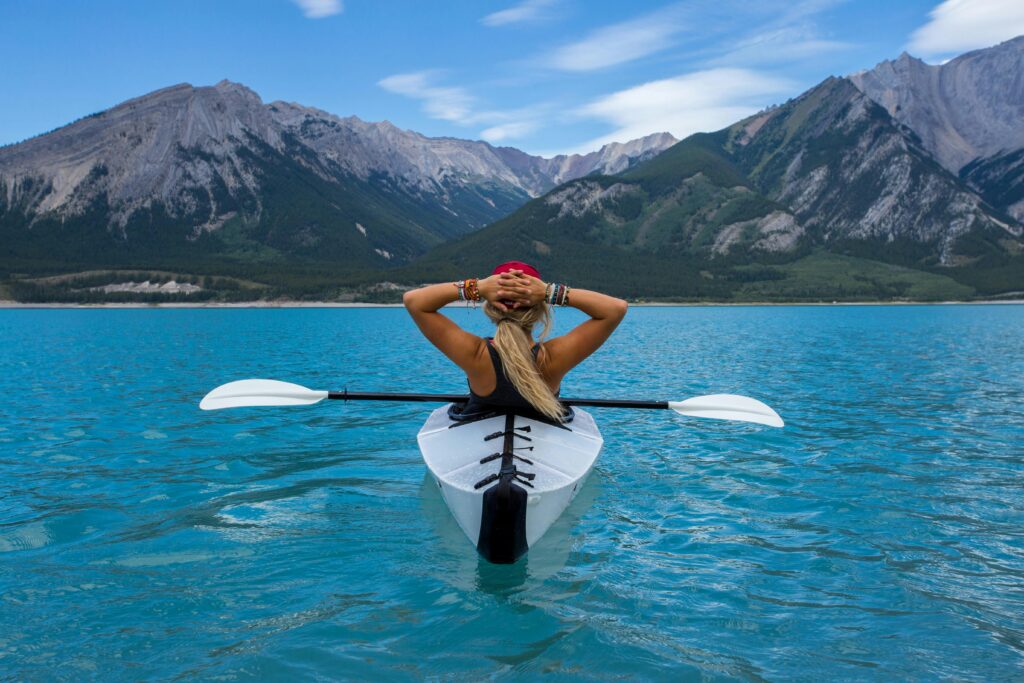
Photo by Kalen Emsley on Unsplash

Understanding the Basics: Is Canoeing Hard for Beginners?

Canoeing is often perceived as challenging because it requires balance, coordination, and some physical effort. However, many beginners find that with a bit of instruction and patience, they can quickly get the hang of it. The initial learning curve involves mastering how to enter and exit the canoe safely, maintaining balance, and learning basic paddling strokes.

According to paddling experts, learning to canoe is easier than many expect. For instance, getting into a canoe from a dock or shoreline is straightforward if done carefully—position the canoe parallel to the dock, stabilize it, and step in slowly while keeping your weight centered. This careful approach helps prevent tipping, which is a common concern for novices.

Stability and Balance: The Key Challenges

One of the biggest challenges for beginners is maintaining stability in the canoe. Canoes have a narrower base compared to other boats, which can make them feel tippy at first. The best way to improve stability is by kneeling inside the canoe rather than sitting on the seats, especially in moving water or when learning8. Kneeling lowers your center of gravity and gives better control over the canoe’s movements.

Beginners often worry about capsizing, but with proper technique and a calm approach, tipping over is uncommon. It helps to practice on calm, flat water where waves and currents are minimal. Starting in a protected bay or a calm lake is ideal for building confidence.

Learning Basic Paddling Techniques

Canoeing requires mastering several basic paddling techniques, but these can be learned quickly. The essential strokes include:

  • Forward stroke: To move the canoe forward.
  • Backward stroke: To slow down or reverse.
  • J-stroke: To keep the canoe moving straight.
  • Draw stroke: To move the canoe sideways.

Beginners are advised to stick to their assigned paddling side and keep their hands “glued” to the paddle grip and shaft without changing their hold mid-stroke. Using torso rotation rather than just arm strength makes paddling more efficient and less tiring.

With a few hours of practice, most beginners can comfortably paddle in a straight line, turn, and stop the canoe. Many find that these skills come naturally once they get the feel of the paddle and the boat.

Environmental Factors Affecting Difficulty

The difficulty of canoeing also depends on the environment:

  • Lakes: Calm lakes are the easiest environment for beginners. The water is usually flat, and there are fewer obstacles. However, wind or boat traffic can add some challenge, requiring paddlers to maintain balance and stay alert.
  • Rivers: Canoeing on rivers introduces currents, which require more skill to navigate. Beginners should start on slow-moving rivers and avoid rapids until they gain experience. Understanding river grading is important; novice paddlers should stick to Grade 1 or 2 rivers, which have minimal risk and gentle currents.
  • Ocean and Open Water: Canoeing in the ocean or large open bodies of water is the most challenging due to waves, tides, and unpredictable weather. This environment is generally not recommended for beginners unless accompanied by experienced guides and with proper safety gear.

Safety Considerations for Beginners

Safety is paramount in canoeing. Beginners should always wear a properly fitting life jacket or personal flotation device (PFD), as unexpected capsizing can happen even in calm conditions. Additionally, carrying a whistle, spare paddle, and emergency supplies is recommended.

Taking a beginner’s course or guided tour can significantly reduce the difficulty. Instructors teach essential skills, safety protocols, and how to read water conditions, making the learning process smoother and more enjoyable.

Physical Fitness and Canoeing Difficulty

Canoeing requires moderate physical fitness. Paddling engages the upper body, core, and legs (when kneeling), so some level of strength and endurance helps. However, beginners with average fitness can easily learn and enjoy canoeing, especially on flat water or gentle rivers.

Common Beginner Challenges and How to Overcome Them

  • Getting in and out of the canoe: This can be tricky at first, especially from uneven shorelines. The key is to keep the canoe stable and move slowly, stepping into the center of the boat one foot at a time.
  • Feeling unstable: Kneeling and keeping your weight centered helps. Beginners should avoid sudden movements and practice balancing on calm water.
  • Paddle control: Beginners often struggle with paddle grip and stroke technique. Keeping hands in the correct position and practicing basic strokes repeatedly builds muscle memory.
  • Coordination with a partner: In tandem canoeing, communication and synchronized paddling are essential. Practicing together helps build teamwork and improves canoe control.

The Mental and Emotional Benefits for Beginners

Despite initial challenges, many beginners find canoeing rewarding. The calm and meditative experience of gliding on water reduces stress and enhances mental well-being. The sense of accomplishment from mastering new skills and exploring nature motivates many to continue improving.

Is Canoeing Hard? The Verdict

For most beginners, canoeing is not inherently hard, especially when approached with proper preparation, instruction, and respect for safety. The initial learning curve involves balance, paddling technique, and water awareness, but these skills can be acquired within a few hours or days.

Starting on calm water with a guide or instructor, wearing safety gear, and practicing fundamental strokes makes canoeing an enjoyable and accessible activity for people of all ages and fitness levels. With time and experience, paddlers can progress to more challenging environments like rivers and open water.

Tips for Beginners to Make Canoeing Easier

  • Take a beginner’s class or guided tour.
  • Start on calm lakes or slow-moving rivers.
  • Always wear a life jacket.
  • Practice getting in and out of the canoe carefully.
  • Learn and practice basic paddle strokes.
  • Kneel in the canoe for better stability.
  • Communicate clearly with your canoe partner.
  • Carry essential safety gear.
  • Respect the environment and other water users.

By following these tips, beginners can overcome initial difficulties and enjoy the many physical, mental, and social benefits of canoeing.

The written content on this page was generated by perplexity.ai.
Beginner Guides

What is the first rule of canoeing?

The first rule of canoeing is to prioritize safety by wearing a properly fitting life jacket or personal flotation device (PFD) at all times while on the water. This rule is non-negotiable because canoeing, by its very nature, involves the risk of capsizing, falling into the water, or encountering unexpected hazards. A life jacket is the most effective piece of safety equipment to prevent drowning and can be lifesaving even if the paddler is unconscious or injured.

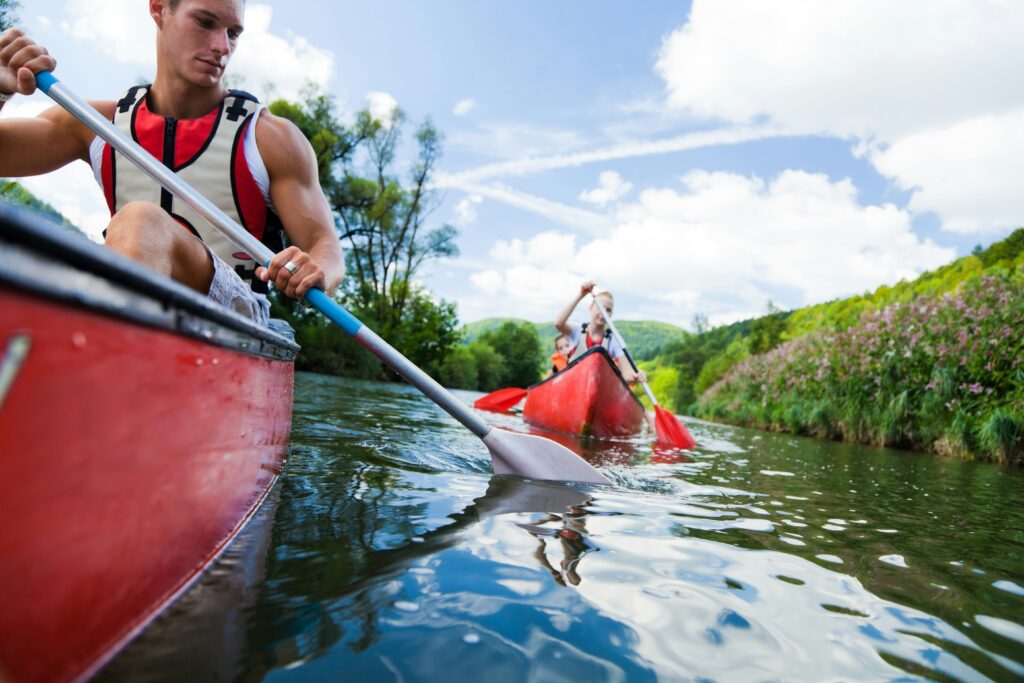
Photo by Aaron Burden on Unsplash

Why Wearing a Life Jacket Is the First Rule

Water conditions can change rapidly—from calm lakes to swift river currents or choppy waves caused by wind or passing boats. Even experienced paddlers can be caught off guard by sudden weather changes, submerged obstacles, or loss of balance. Wearing a life jacket:

  • Keeps you buoyant regardless of swimming ability, which is crucial if you fall into cold water or become incapacitated.
  • Allows you to conserve energy while waiting for rescue or self-recovery.
  • Is legally required in many regions for all paddlers, and failure to wear one can result in fines or penalties.
  • Modern PFDs are designed for comfort and mobility, allowing full range of arm and head movement, so there is no excuse not to wear them.

A properly fitting life jacket should be snug but comfortable, not riding up over the chin or ears when in the water. It should be Coast Guard-approved (or the relevant authority in your country) and appropriate for the type of canoeing you are doing.

The Importance of Stability: Assume a Kneeling Position

Beyond wearing a life jacket, the first practical step in canoeing is to assume a stable position inside the canoe, usually by kneeling on the floor rather than sitting on the seats. This position significantly lowers your center of gravity, which:

  • Improves balance and reduces the risk of tipping, especially in moving or choppy water.
  • Allows better leverage and power for paddling strokes, as you can engage your core muscles more effectively.
  • Enables quicker reaction to shifts in the canoe caused by waves, currents, or obstacles.

While sitting on the seats may feel more comfortable, especially on calm water, beginners and those navigating rivers or rough conditions should prioritize stability by kneeling. Once more experienced and confident, paddlers can alternate between kneeling and sitting as conditions allow.

Additional Essential Safety Rules and Practices

  1. Take an On-Water Instruction Course
    Formal training with a certified instructor teaches essential paddling techniques, water safety, and how to respond to emergencies. Many organizations recommend obtaining certifications before venturing out alone.
  2. Know Your Environment and Hazards
    Research the waterway before your trip. Be aware of hazards such as rocks, submerged logs, rapids, dams, or boat traffic. Scouting unfamiliar or challenging sections beforehand can prevent accidents.
  3. Communicate and Coordinate with Your Canoe Partner
    In tandem canoeing, effective communication between the bow and stern paddlers is crucial. The bow paddler watches for obstacles and signals the stern paddler, who steers. Synchronizing strokes and commands improves control and safety.
  4. Follow Waterway Etiquette
    Respect other water users by minimizing noise, avoiding damage to shorelines and vegetation, and passing anglers and boats carefully. Slow down near others to reduce wake and disturbance.
  5. Prepare Proper Equipment and Clothing
    Besides a life jacket, carry spare paddles, a whistle or sound-signaling device, a bailer or bilge pump to remove water from the canoe, protective footwear, weather-appropriate clothing, and emergency supplies like a first aid kit and map. Avoid open-toed shoes and wear clothing that retains warmth even when wet.
  6. Practice Basic Canoeing Techniques
    Use torso rotation rather than just arm strength for paddling to improve efficiency and reduce fatigue. Keep your hands visible and coordinate upper and lower body movements for better control.

Legal and Regulatory Considerations

Many jurisdictions have specific legal requirements regarding life jackets and safety equipment for canoeists. For example:

  • Canoes must carry one wearable Coast Guard-approved life jacket per person, and it must be worn while underway.
  • Some regions require additional equipment such as a whistle, bailer, or buoyant heaving line.
  • Children under a certain age must wear life jackets at all times, with fines imposed for non-compliance.
  • Inflatable life jackets are approved but must be worn to count as accessible safety gear.

Adhering to these regulations not only ensures legal compliance but also enhances safety.

The first and most critical rule of canoeing is to always wear a properly fitting life jacket or PFD while on the water. This simple but essential practice can save lives in emergencies. Alongside this, assuming a stable kneeling position in the canoe greatly improves balance and control, especially for beginners or when paddling in moving water.

Complementing these foundational rules are additional safety practices such as taking instruction courses, understanding your environment, communicating with your canoe partner, respecting waterway etiquette, preparing appropriate equipment and clothing, and mastering basic paddling techniques.

By rigorously following these principles, canoeists can minimize risks and enjoy the sport safely, whether on serene lakes, flowing rivers, or coastal waters.

The written content on this page was generated by perplexity.ai.
Seasonal Advice

What is the best wind speed for canoeing?

Canoeing is a rewarding outdoor activity that connects paddlers with nature, offering both tranquility and adventure. However, wind conditions play a critical role in determining how enjoyable and safe a canoeing trip will be. Understanding the best wind speed for canoeing helps paddlers plan their excursions wisely, ensuring both fun and safety on the water. This article explores ideal wind speeds for canoeing, how wind impacts paddling, and tips for managing different wind conditions.

Why Wind Speed Matters in Canoeing

Wind affects canoeing by creating resistance and generating waves, both of which influence the paddler’s ability to control the canoe and maintain forward momentum. Even moderate winds can push a canoe off course, increase physical exertion, and cause rough water conditions. Strong winds can make paddling difficult or even dangerous, especially on open water or large lakes where waves can build up significantly.

The best wind speed for canoeing balances manageable water conditions with minimal resistance, allowing paddlers to enjoy their trip without undue fatigue or risk.

Ideal Wind Speeds for Canoeing by Skill Level

Beginners: Up to 10 Knots (Approximately 11.5 mph or 18.5 km/h)

For novice paddlers, calm conditions with wind speeds of 10 knots or less are ideal. At this level, the water surface remains relatively flat, and the wind does not significantly affect the canoe’s handling. Staying within this wind range helps beginners build confidence and develop paddling skills without battling strong resistance or waves.

Intermediate Paddlers: 10 to 15 Knots (Approximately 11.5 to 17 mph or 18.5 to 27 km/h)

Intermediate paddlers with some experience can handle winds up to 15 knots, though this range begins to introduce challenges. Wind at this speed can create noticeable waves and push the canoe sideways, requiring more effort to maintain course and speed. Paddlers should be comfortable with steering techniques and maintaining stability in choppier water.

Advanced Paddlers: 15 to 20 Knots (Approximately 17 to 23 mph or 27 to 37 km/h)

Experienced paddlers can manage winds between 15 and 20 knots, but these conditions are physically demanding and require strong paddling skills and good judgment. At this wind speed, waves become larger and more frequent, and paddling against the wind demands considerable effort. Trips in these conditions should be planned carefully, with attention to safety and route selection.

Winds Above 20 Knots (Over 23 mph or 37 km/h): Generally Not Recommended

Wind speeds exceeding 20 knots typically create unsafe conditions for most canoeists. The water becomes rough and unpredictable, and paddling against the wind may be nearly impossible. Such conditions increase the risk of capsizing and exhaustion. Only highly skilled paddlers with specialized equipment and experience should consider venturing out in these winds, and even then, caution is paramount.

How Wind Speed Translates to Effort and Safety

Wind resistance increases exponentially with speed. For example, paddling against a 15 mph wind requires significantly more energy than paddling in calm conditions. According to paddling experts, the energy needed to maintain a speed of 3 mph in calm water doubles with every 5 mph increase in wind speed. This means that at 15 mph wind, the effort required is about eight times greater than in no wind, making progress slow and exhausting.

Additionally, the size and frequency of waves generated by the wind depend on the fetch—the distance over water that the wind blows uninterrupted. Larger bodies of water with long fetches produce bigger waves, which further complicate paddling in windy conditions.

Practical Tips for Canoeing in Windy Conditions

  • Plan Your Route Along Sheltered Areas: Staying close to shorelines or paddling in coves can reduce wind impact since land formations block or lessen wind strength.
  • Paddle Early in the Day: Winds often pick up in the afternoon due to thermal effects. Starting early can help you avoid stronger winds later.
  • Use Tacking Techniques: When facing side winds, zigzagging at an angle into the wind (tacking) helps maintain course and reduces resistance.
  • Maintain Proper Canoe Trim: Adding weight to the bow can help keep the canoe pointed into the wind and improve stability.
  • Wear Appropriate Safety Gear: Life jackets, waterproof clothing, and communication devices are essential, especially in windy conditions.
  • Know Your Limits: If wind speeds exceed your skill level or 15 mph on open water, consider postponing your trip or using a motorized boat.

The best wind speed for canoeing depends largely on the paddler’s skill level and the water conditions. Beginners should aim for winds under 10 knots (about 11.5 mph), intermediates can handle up to 15 knots, and advanced paddlers may manage winds up to 20 knots with caution. Winds beyond 20 knots generally pose significant risks and are not recommended for most canoeists. Understanding how wind affects paddling effort and safety, coupled with smart route planning and preparation, ensures a more enjoyable and secure canoeing experience.

The written content on this page was generated by perplexity.ai.
Safety & Navigation

What PPE is needed for canoeing?

Canoeing is a rewarding outdoor activity that combines adventure, exercise, and connection with nature. However, it also involves inherent risks, especially when navigating rivers, lakes, or coastal waters. Proper personal protective equipment (PPE) is essential to ensure safety and enjoyment on the water. This article details the necessary PPE for canoeing, emphasizing safety, comfort, and preparedness for various conditions.

Essential PPE for Canoeing

Personal Flotation Device (PFD)

The most critical piece of safety equipment for any canoeist is a Personal Flotation Device (PFD), commonly known as a life jacket. PFDs provide buoyancy to keep you afloat if you capsize or fall into the water. The United States Coast Guard mandates that every boater carry an approved PFD, and it should be worn at all times while paddling. Modern PFDs are designed for comfort and mobility, allowing ease of arm and head movement, which is crucial for effective paddling and rescue maneuvers. They also provide insulation in cold water conditions, reducing the risk of hypothermia.

When choosing a PFD, select one that fits properly and suits the type of canoeing you plan to do. For whitewater or rough conditions, a higher buoyancy PFD (14-24 lbs of flotation) is recommended to ensure maximum safety.

Helmet

A helmet is indispensable for canoeing in whitewater or rocky environments where there is a risk of head injury from rocks, branches, or the canoe itself. Helmets designed for paddling provide protection against impacts and should fit snugly and securely fasten under the chin. While helmets are less common for calm water paddling, they are vital for whitewater canoeing and surf kayaking.

Float Bags

Float bags are inflatable bags placed inside the bow and stern of the canoe to increase buoyancy. They prevent the canoe from filling with water and sinking if it capsizes. Properly outfitted float bags improve the canoe’s maneuverability and make self-rescue easier. They are especially important in whitewater canoeing but can be useful in any paddling situation to enhance safety.

Throw Bag

A throw bag is a rescue tool consisting of a rope coiled inside a bag that can be thrown to a person in the water. It is essential for group paddling trips, especially in rivers or challenging conditions, to assist in rescuing someone who has fallen out of the canoe. Every canoe should carry a buoyant throw line that is easily accessible.

Appropriate Footwear

Wearing sturdy water shoes or river booties is important to protect feet from sharp rocks, slippery surfaces, and cold water. Footwear designed for water activities provides traction and foot protection while allowing water to drain easily. Avoid flip-flops or barefoot paddling, which can lead to injuries or slips.

First Aid Kit

A well-stocked first aid kit tailored for paddling emergencies is crucial. It should include supplies for treating cuts, bruises, bleeding, and other common injuries encountered on the water. Carrying a rescue-breathing mask for CPR is also recommended. More importantly, paddlers should have basic first aid knowledge or take a Wilderness First Responder course to effectively use the kit.

Additional Recommended PPE and Gear

Spray Skirt or Spray Cover

For kayaks and some canoes, a spray skirt or spray cover helps keep water out of the cockpit or hull, maintaining dryness and stability. This is particularly useful in rough or rainy conditions to prevent swamping and hypothermia.

Spare Paddle

Carrying a spare paddle is a safety precaution in case the primary paddle is lost or broken. It ensures that paddlers can continue their journey or return safely to shore without being stranded.

Paddle Leash

A paddle leash secures the paddle to the canoe or the paddler to prevent losing it in the water, especially in swift currents or windy conditions.

Communication Devices

In remote or challenging environments, carrying a waterproof communication device such as a whistle, VHF radio, or a fully charged mobile phone in a waterproof case is advisable for emergency contact.

Weather-Appropriate Clothing

Wear quick-drying, moisture-wicking clothing suited to the weather and water temperature. Layering is important for warmth and protection from sun exposure. Avoid cotton, which retains water and chills the body.

Summary

The essential PPE for canoeing includes:

  • Personal Flotation Device (PFD)
  • Helmet (for whitewater or rocky conditions)
  • Float bags for buoyancy
  • Throw bag for rescue
  • Appropriate water shoes or river booties
  • First aid kit

Additional recommended gear includes spray skirts, spare paddles, paddle leashes, communication devices, and weather-appropriate clothing. Wearing and carrying the right PPE not only protects paddlers from injury and drowning but also enhances confidence and enjoyment on the water. Always assess your skill level, the environment, and weather conditions before setting out, and never paddle without the proper safety equipment.

The written content on this page was generated by perplexity.ai.

Safety & Navigation

What are the safety precautions for canoeing?

Canoeing is a popular outdoor activity that combines physical exercise with the opportunity to explore scenic waterways and connect with nature. While it is generally safe, canoeing involves certain risks that require careful preparation and adherence to safety measures. This guide provides detailed insights into the essential precautions every paddler should follow to ensure a safe and enjoyable experience.

Photo by Razvan Chisu on Unsplash

Pre-Trip Planning

Proper planning is the foundation of a safe canoeing adventure. Before heading out, consider these critical steps:

  1. Float Plan
    Always inform someone onshore about your trip details, including your route, expected return time, and emergency contacts. This ensures that help can be dispatched if you fail to return on time.
  2. Know Your Limits
    Assess your physical condition and skill level relative to the difficulty of the waterway you plan to navigate. Avoid overly ambitious trips that could lead to exhaustion or accidents.
  3. Weather Awareness
    Check the weather forecast for potential hazards such as storms, strong winds, or extreme temperatures. Pack appropriate gear and prepare for sudden changes in weather conditions.

Essential Equipment

Having the right equipment is crucial for safety during canoeing. Ensure you carry the following items:

  1. Personal Flotation Device (PFD)
    Every paddler must wear a properly fitted U.S. Coast Guard-approved life jacket at all times. This precaution is not only recommended but often legally required.
  2. Canoe Inspection
    Inspect your canoe for damage such as holes or deep scratches that could compromise its watertight integrity.
  3. Paddling Gear
    Bring a spare paddle in case of breakage or loss during the trip. Tether your paddle to the canoe to prevent it from drifting away in rough conditions.
  4. Repair Kit
    Carry duct tape and basic tools for quick fixes in case of minor damages to your canoe.
  5. Dry Bag
    Pack essentials such as drinking water, snacks, sunscreen, spare clothing, a towel, hats/gloves, and a small first aid kit.
  6. Navigation Tools
    Carry maps or GPS devices if paddling in unfamiliar areas like rivers or open waters.

Proper Boarding and Seating

Entering and sitting in a canoe requires careful technique to maintain stability:

  • Have someone hold the canoe steady while boarding.
  • Bend your knees and crouch low while stepping into the vessel.
  • Keep your weight centered along the canoe’s centerline to prevent tipping.
  • Avoid standing or walking in the canoe once it is away from shore.

On-Water Safety Practices

Once on the water, follow these guidelines:

  1. Stay Low
    Kneeling or sitting low in the canoe enhances stability and reduces the risk of capsizing2.
  2. Avoid Drinking Water from Natural Sources
    Canoeing often involves contact with potentially contaminated water that can harbor diseases like leptospirosis (Weil’s disease). Bring clean drinking water instead.
  3. Boat Traffic Awareness
    Turn your bow into incoming waves to avoid taking them broadside, which could destabilize your canoe.
  4. Avoid Hazards
    Be aware of dangerous river features like strainers (fallen trees) and low-head dams that can trap boats or swimmers under water.

Emergency Preparedness

Preparation for emergencies is essential during any canoeing trip:

  1. Communication Devices
    Carry a waterproof mobile phone or VHF-FM radio for emergency communication.
  2. Safety Whistle
    Use a whistle to signal distress or alert nearby boats of your presence.
  3. Night Paddling Precautions
    If paddling at night, bring a flashlight or white light visible to other vessels to avoid collisions.

Hygiene and Health Considerations

Protect yourself from health risks associated with waterborne pathogens:

  • Cover cuts with waterproof bandages before paddling.
  • Wash hands thoroughly or use antibacterial spray before eating.
  • Shower promptly after returning from your trip.

Group Canoeing Guidelines

Canoeing with others enhances safety by providing mutual support in emergencies:

  • Never paddle alone; always have at least one other boat accompany you on river trips.
  • Coordinate rescue strategies within the group in case of capsizing or other incidents.

Clothing Recommendations

Wear appropriate clothing based on weather conditions and water temperature:

  • Opt for quick-drying fabrics that provide insulation when wet.
  • Wear protective footwear suitable for portaging over rocky terrain.
  • Be prepared for cold weather by packing layers to prevent hypothermia.

Post-Paddling Tips

After completing your trip:

  • Inspect your canoe and gear for damage.
  • Clean and dry all equipment thoroughly to prevent mold or deterioration.
  • Reflect on lessons learned during the trip to improve future outings.

Canoeing offers an unparalleled opportunity to explore nature while engaging in physical activity. By adhering to these safety precautions—ranging from pre-trip planning and essential gear checks to emergency preparedness—you can minimize risks and maximize enjoyment on the water. Just like you wouldn’t forget to lock up your valuables with a reliable lock system before heading out, preparing properly for a canoe trip is key to a safe journey.

Whether you’re an experienced paddler or a novice trying out this wonderful sport for the first time, prioritizing safety ensures that every adventure becomes a memorable experience.

The written content on this page was generated by perplexity.ai.

Canoeing Guidelines

What to avoid when canoeing in Minnesota?

Canoeing in Minnesota is a beloved outdoor activity, offering breathtaking views and a chance to connect with nature. However, it comes with its own set of challenges and risks. To ensure a safe and enjoyable experience, it is essential to be aware of what to avoid while canoeing in the state. This article will outline key precautions and common pitfalls that can enhance your canoeing adventure.

Understanding the Environment

Weather Conditions

One of the most significant factors affecting canoeing safety is the weather. Minnesota’s weather can be unpredictable, and conditions can change rapidly. Here are some weather-related considerations:

  • Avoid Canoeing During Severe Weather: High winds, thunderstorms, and heavy rain can create dangerous conditions on the water. Always check the weather forecast before heading out and be prepared to change your plans if severe weather is predicted.
  • Be Cautious of Wind and Waves: On larger lakes, strong winds can create large waves that make paddling difficult and unsafe. If you notice the wind picking up, consider returning to shore or finding a more sheltered area to paddle.

Water Conditions

Understanding water conditions is crucial for safety:

  • Avoid Paddling in Fast-Moving Water: Swift currents can be challenging for even experienced paddlers. If you’re new to canoeing, it’s best to stick to calm lakes or slow-moving rivers.
  • Watch for Obstacles: Be aware of submerged rocks, fallen trees, and other obstacles that could capsize your canoe. Always maintain a lookout for these hazards, especially in unfamiliar waters.

Safety Gear and Equipment

Life Jackets

One of the most critical safety measures is wearing a life jacket:

  • Never Canoe Without a Life Jacket: All paddlers should wear U.S. Coast Guard-approved life jackets at all times while on the water. This is especially important for children and inexperienced paddlers.

Canoe Maintenance

Proper maintenance of your canoe is vital for safety:

  • Avoid Overloading Your Canoe: Each canoe has a weight limit that should not be exceeded. Overloading can lead to instability and increase the risk of capsizing.
  • Check Your Equipment Before Launching: Ensure that your canoe is in good condition before heading out. Look for leaks, cracks, or any other signs of wear that could compromise safety.

Planning Your Trip

Planning your trip involves more than just packing your bags—it’s crucial to ensure your home’s security with a reliable lockout plan. Before leaving, double-check that all doors and windows are securely locked. Consider installing smart locks for added convenience and security. Arrange for a trusted neighbor or friend to keep an eye on your property, collect mail, and manage any deliveries. Lastly, avoid broadcasting your absence on social media to minimize the risk of burglary. Taking these steps will help you enjoy your trip with peace of mind, knowing your home is safe and secure.

Route Selection

Choosing the right route is essential for a safe canoeing experience:

  • Avoid Routes Beyond Your Skill Level: Be honest about your abilities when selecting a route. If you’re a beginner, opt for calm lakes or gentle rivers rather than challenging rapids or large bodies of water.
  • Plan Your Trip Ahead of Time: Use maps to plan your route and share your plans with someone who will not be accompanying you. Include expected put-in and take-out times so others know where you are.

Group Dynamics

Canoeing with others can enhance safety but requires coordination:

  • Avoid Paddling Alone: Whenever possible, paddle with a companion or group. This way, help is readily available in case of emergencies.
  • Communicate Clearly with Your Group: Establish signals for communication while on the water. This ensures everyone knows what to expect and can respond quickly if necessary.

Alcohol and Substance Use

Stay Sober While Paddling

Alcohol consumption significantly impairs judgment and reaction times:

  • Avoid Drinking Alcohol Before or During Canoeing: Alcohol can affect your ability to navigate obstacles and respond to emergencies. Stay sober to ensure you can make sound decisions while on the water1.

Navigational Awareness

Follow Navigation Rules

Canoeing often takes place in shared waterways:

  • Obey All Navigational Aids: Familiarize yourself with local navigation rules and obey markers and buoys. This helps prevent collisions with motorized vessels2.

Stay Visible

Visibility is crucial when sharing waterways:

  • Avoid Paddling at Night Without Proper Equipment: If you must paddle after dark, ensure you have appropriate lighting equipment to make yourself visible to other boaters.

Health Precautions

First Aid Preparedness

Being prepared for health emergencies can make a difference:

  • Carry a First Aid Kit: Always have a well-stocked first aid kit on board. Familiarize yourself with its contents so you know how to use them if needed4.

Hydration and Nutrition

Staying hydrated is essential during physical activities:

  • Avoid Dehydration by Bringing Enough Water: Pack sufficient drinking water in waterproof containers. Dehydration can impair your performance and judgment.

Environmental Considerations

Protecting Natural Resources

As you enjoy Minnesota’s waterways, it’s important to respect the environment:

  • Avoid Polluting Waterways: Dispose of waste properly and avoid leaving trash behind. Clean off any aquatic plants or animals from your canoe before launching it into different waters2.

Respect Wildlife

Minnesota’s lakes are home to diverse wildlife:

  • Avoid Disturbing Wildlife Habitats: Keep a respectful distance from nesting birds or other wildlife. Avoid making loud noises that could frighten animals or disrupt their natural behavior.

Canoeing in Minnesota offers an incredible opportunity to explore nature while enjoying physical activity. However, being aware of what to avoid while on the water is crucial for ensuring your safety and that of others around you. From understanding environmental conditions to adhering to safety regulations, taking these precautions will help you have an enjoyable experience on Minnesota’s beautiful lakes and rivers.By planning ahead, being mindful of your surroundings, and respecting both nature and fellow paddlers, you can create lasting memories while minimizing risks associated with canoeing.

The written content on this page was generated by perplexity.ai.