Camping & Canoeing Combos

Family-Friendly Canoe and Camping Adventures Around Minneapolis

There’s something magical about spending time outdoors as a family. Away from busy schedules, glowing screens, and endless errands, parents and children have the chance to reconnect with each other while discovering the beauty of nature. If you’re looking for an unforgettable outdoor experience, Minneapolis offers some of the best family-friendly canoeing and camping destinations in the Midwest. Surrounded by sparkling lakes, winding rivers, and scenic state parks, the Twin Cities area provides countless opportunities for adventures that suit beginners and experienced paddlers alike.

Whether you’re planning a weekend getaway or a longer summer vacation, canoeing and camping around Minneapolis can create lasting memories for every member of the family.

Why Canoeing Is Perfect for Families

Canoeing is one of the most accessible outdoor activities for families. Unlike more physically demanding adventures, canoeing allows people of different ages and skill levels to enjoy the experience together. Parents can paddle while younger children ride comfortably in the middle of the canoe, and older kids can learn basic paddling techniques as they gain confidence.
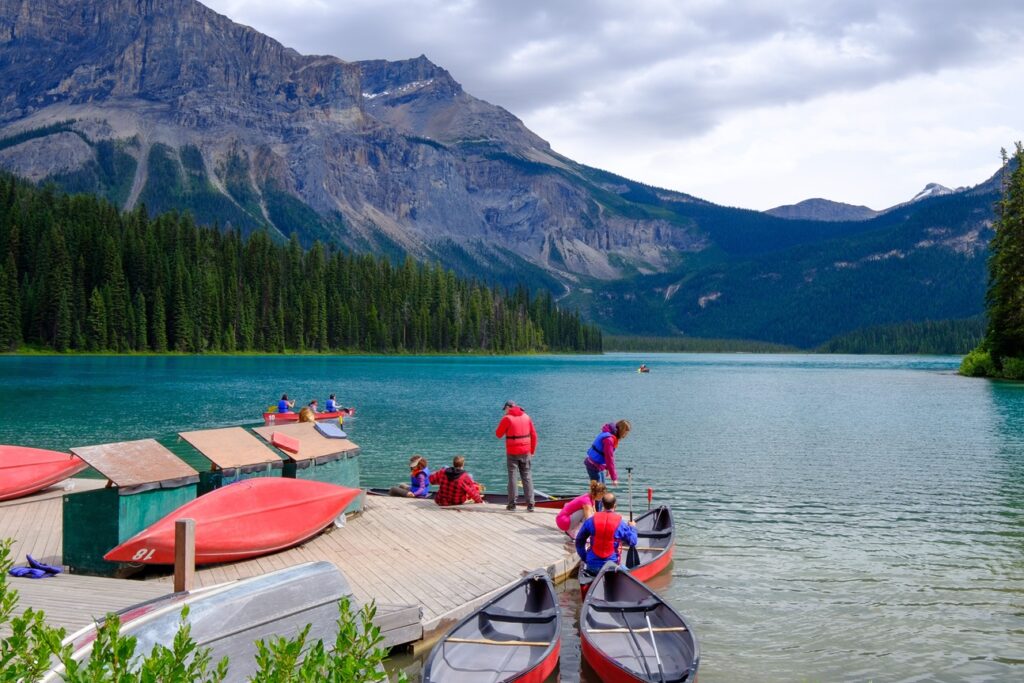
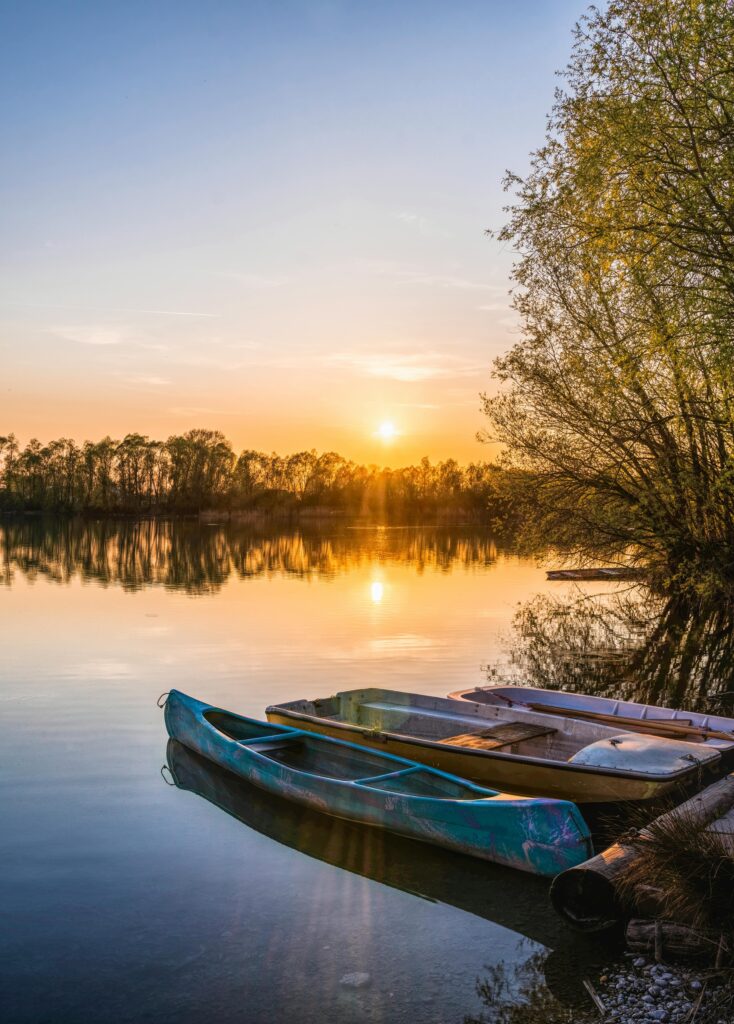
Photo by IslandHopper X from Pexels

Some benefits of family canoeing include:

  • Encouraging teamwork and communication.
  • Promoting physical activity without feeling like exercise.
  • Teaching children to appreciate wildlife and natural habitats.
  • Building confidence through new outdoor skills.
  • Creating opportunities for meaningful family conversations.

Because many lakes near Minneapolis feature calm waters, they’re ideal for first-time paddlers.

Best Canoeing Destinations Near Minneapolis

Lake Nokomis

Located within Minneapolis itself, Lake Nokomis is one of the easiest places for families to begin their paddling journey. The lake’s relatively calm waters make it suitable for beginners, and canoe rentals are often available during the warmer months.

Families can paddle around the shoreline while enjoying views of beaches, parks, and abundant birdlife. Since the lake is close to restaurants and restrooms, it’s also an excellent choice for families with younger children who may need frequent breaks.

Chain of Lakes

The Minneapolis Chain of Lakes offers several interconnected lakes, including:

  • Bde Maka Ska
  • Lake Harriet
  • Lake of the Isles
  • Cedar Lake

These lakes provide miles of enjoyable paddling routes. Families can choose shorter trips or spend an entire afternoon exploring different sections. Wildlife sightings often include ducks, geese, turtles, and occasionally herons.

The nearby walking trails and playgrounds make it easy to combine paddling with other family activities.

Mississippi River

For families with some canoeing experience, portions of the Mississippi River near Minneapolis offer scenic paddling opportunities. Several stretches have gentle currents and beautiful riverbank scenery.

Paddling the Mississippi allows children to experience one of America’s most famous rivers while learning about its environmental and historical significance.

Always research river conditions before launching, especially after heavy rainfall.

Outstanding Family Camping Destinations

Fort Snelling State Park

Only minutes from downtown Minneapolis, Fort Snelling State Park provides a convenient camping experience without requiring a long drive.

Highlights include:

  • Family-friendly campsites
  • Easy hiking trails
  • Wildlife viewing
  • Fishing opportunities
  • Canoe access to nearby waterways

Because of its location, families can enjoy outdoor adventures while remaining close to city conveniences if needed.

Afton State Park

Located about 30 miles east of Minneapolis, Afton State Park features rolling hills, forests, and beautiful views of the St. Croix River.

Families enjoy:

  • Spacious campsites
  • Educational nature programs
  • Hiking trails for all ages
  • Canoeing opportunities
  • Excellent picnic areas

The peaceful environment makes it an ideal location for introducing children to overnight camping.

William O’Brien State Park

Situated along the St. Croix River, William O’Brien State Park offers one of Minnesota’s best combinations of canoeing and camping.

Popular activities include:

  • Canoe rentals
  • Swimming
  • Fishing
  • Wildlife observation
  • Nature programs
  • Campfire evenings

Many families appreciate the park’s well-maintained facilities and beginner-friendly atmosphere.

Canoe Camping: The Ultimate Adventure

Once your family becomes comfortable with both canoeing and camping separately, combining the two creates an exciting adventure.

Canoe camping involves paddling to your campsite while carrying all your necessary gear inside the canoe.

Children often find this experience exciting because it feels like a true expedition. They can help organize equipment, identify landmarks, and participate in setting up camp once you arrive.

Start with shorter canoe camping trips before attempting multi-day adventures.

Essential Gear for Family Canoeing

Packing the right equipment ensures both safety and comfort.

Necessary items include:

  • Coast Guard-approved life jackets for every family member
  • Waterproof bags
  • Sunscreen
  • Hats
  • Drinking water
  • Snacks
  • First aid kit
  • Waterproof phone case
  • Extra clothing
  • Rain jackets
  • Paddle leash
  • Map of the area

Children should always wear life jackets while near or on the water, regardless of swimming ability.

Camping Equipment Checklist

For a successful camping trip, bring:

  • Family tent
  • Sleeping bags
  • Sleeping pads
  • Camping stove
  • Cooking utensils
  • Flashlights
  • Lantern
  • Insect repellent
  • Firewood (where permitted)
  • Cooler with food
  • Trash bags
  • Toiletries
  • Extra blankets

Packing efficiently helps reduce stress when setting up camp.

Teaching Kids Outdoor Responsibility

Camping and canoeing provide excellent opportunities for teaching responsibility.

Children can assist with:

  • Collecting small sticks for campfires
  • Organizing camping gear
  • Setting up sleeping bags
  • Packing snacks
  • Watching for wildlife
  • Reading trail maps
  • Cleaning campsites

Giving children meaningful responsibilities helps them feel involved and builds confidence.

Wildlife to Watch For

Minnesota’s parks are home to diverse wildlife that children love spotting.

You may encounter:

  • White-tailed deer
  • Beavers
  • Painted turtles
  • Great blue herons
  • Bald eagles
  • Loons
  • Wood ducks
  • Frogs
  • Chipmunks
  • Red foxes

Bring binoculars and a field guide to make wildlife observation even more engaging.

Remember to admire animals from a safe distance and never feed wildlife.

Campfire Activities Everyone Will Love

One of the highlights of camping is gathering around the campfire.

Fun family activities include:

  • Roasting marshmallows
  • Making s’mores
  • Storytelling
  • Singing songs
  • Stargazing
  • Nature trivia games
  • Shadow puppets
  • Campfire cooking
  • Sharing favorite memories

These simple traditions often become the moments children remember most.

Rainy Day Alternatives

Weather doesn’t always cooperate, but rain doesn’t have to ruin the trip.

Bring along:

  • Card games
  • Coloring books
  • Nature journals
  • Waterproof board games
  • Books
  • Portable puzzles

Many parks also offer visitor centers where families can learn about local wildlife and history while staying dry.

Safety Tips for Families

Preparation is the key to safe outdoor adventures.

Always remember to:

  • Check weather forecasts before leaving.
  • Tell someone your itinerary.
  • Stay together while hiking.
  • Keep children within sight near water.
  • Drink plenty of water.
  • Wear sunscreen throughout the day.
  • Respect posted safety signs.
  • Learn basic first aid.
  • Never overload your canoe.
  • Turn back if conditions become unsafe.

Teaching children these habits early helps develop lifelong outdoor safety awareness.

Leave No Trace Principles

One of the greatest lessons families can learn together is environmental stewardship.

Practice Leave No Trace by:

  • Packing out all trash.
  • Staying on designated trails.
  • Respecting wildlife.
  • Leaving natural objects where they are.
  • Minimizing campfire impact.
  • Being considerate of other visitors.

Children quickly understand the importance of protecting the places they love.

Best Seasons for Canoe and Camping Trips

Late spring through early fall provides the best conditions around Minneapolis.

Spring

  • Cooler temperatures
  • Fewer crowds
  • Fresh greenery
  • Excellent birdwatching

Summer

  • Warm water
  • Longer daylight hours
  • Ideal for swimming
  • Family vacation season

Early Fall

  • Colorful autumn foliage
  • Comfortable temperatures
  • Reduced crowds
  • Beautiful photography opportunities

Each season offers a unique outdoor experience.

Making the Experience Educational

Outdoor adventures naturally become learning opportunities.

Parents can teach children about:

  • Local ecosystems
  • Weather patterns
  • Water safety
  • Animal habitats
  • Plant identification
  • Navigation skills
  • Conservation
  • Astronomy
  • Geography

Hands-on learning often leaves a stronger impression than classroom lessons.

Budget-Friendly Family Adventure

One of the best aspects of canoeing and camping is affordability. Compared to amusement parks or expensive vacations, outdoor adventures often cost much less while providing even greater rewards.

Families can save money by:

  • Borrowing or renting equipment instead of buying.
  • Preparing meals at the campsite.
  • Visiting state parks with affordable entrance fees.
  • Booking campsites early for better availability.
  • Choosing nearby destinations to reduce fuel costs.

Many parks around Minneapolis also host free educational programs, guided hikes, and ranger-led activities during the summer months, adding extra value without increasing your budget.

Creating Family Traditions Outdoors

Perhaps the greatest reward of canoeing and camping is the traditions that naturally develop over time. Children often look forward to annual camping trips, favorite campsites, sunrise paddles, or special campfire recipes.

Some families keep journals documenting every trip, while others collect photographs, patches, or maps from each destination they visit. Over the years, these adventures become treasured memories that children carry into adulthood.

The beauty of exploring the lakes and parks around Minneapolis is that every trip offers something new—a different bird to spot, a hidden cove to paddle into, a spectacular sunset reflected on the water, or a quiet evening beneath countless stars.

Whether you’re introducing your children to their very first canoe ride or planning a weekend of lakeside camping, the Minneapolis area provides countless opportunities to unplug, explore, and strengthen family bonds. With careful preparation, a spirit of adventure, and respect for nature, your next canoe and camping trip could become one of your family’s favorite traditions for years to come.

The written content on this page was generated by perplexity.ai.
Camping & Canoeing Combos

Hidden Gems: Lesser-Known Canoe and Camping Spots Around the Twin Cities

Picture this: the sun dips low over glassy waters, your paddle slices silently through the current, and the only soundtrack is the whisper of wind through ancient pines. You’re not in some far-flung wilderness—you’re just a short drive from the bustling streets of Minneapolis and St. Paul. The Twin Cities boast world-class urban amenities, but their real magic hides in overlooked waterways and wooded enclaves perfect for canoeing and camping. Forget the crowded Boundary Waters; these lesser-known spots offer solitude, stunning scenery, and that raw connection to Minnesota’s northwoods spirit without the hassle of a multi-hour trek.

If you’re craving adventure that feels exclusive, grab your canoe, tent, and a cooler of craft brews. Before heading out, it’s always smart to make sure your home is secure working with a trusted locksmith can help protect your property while you’re away.

These hidden gems deliver pristine paddling, starry nights under canvas, and bragging rights among your hiking crew. We’ll spotlight six under-the-radar destinations within an hour or two of the metro, complete with access details, paddling highlights, camping hacks, and pro tips to dodge the masses. Whether you’re a solo explorer or pitching tents with the family, these spots prove the best escapes are the ones nobody else knows about.

1. Rum River – The Serpent’s Secret Stretch Near Milaca

Venture 50 miles north of the Twin Cities to the Rum River’s wilder bends around Milaca, where the water carves lazy S-curves through hardwood forests and sandy bluffs. This isn’t your grandpa’s fishing hole; it’s a paddler’s dream with minimal traffic, even on weekends. Launch from the public access at River Park in Milaca (free parking, no permits needed), and float 8-10 miles downstream to the takeout at Fawn Lake.

The thrill? Hidden oxbows teeming with bald eagles and otters, plus gravel bars ideal for impromptu picnics. Camp dispersed on the forested banks—Minnesota’s river rules allow primitive sites if you’re 100 feet from the water and pack out everything. Pro tip: Hit it midweek in late summer for wild rice harvesting views and zero competition. Expect Class I riffles that add spice without whitewater terror. Families love spotting wood ducks; anglers hook walleye at dusk.

2. Cannon River – Faribault’s Forgotten Forks

Just 45 minutes south lies the Cannon River’s underrated section from Faribault to Cannon Falls. Skip the touristy Northfield stretch; paddle the meandering 12-mile run from the Judge Loyne Park launch. Towering limestone cliffs frame the water, with overhanging willows perfect for shaded drifts. This gem hides swimming holes and ancient Native American petroglyphs visible only from a canoe.

Camping shines at Nerstrand Big Woods State Park nearby—reserve a rustic site amid 100-foot oaks for $25/night, or stealth camp on public riverbanks (check DNR regs). Fires crackle under karst formations that glow at sunset. Bring bug spray for the wetlands, but reward yourself with fresh morels in spring. Couples rave about the romantic isolation; it’s intimate without being remote. Paddle time: 4-6 hours, with easy portages around lowhead dams.

3. Straight River – Owatonna’s Wild Wooded Maze

South of the metro by an hour, the Straight River near Owatonna twists through a labyrinth of marshes and tamarack bogs. Launch at the Kapperud Park access point for a 7-mile paddle to Rice Lake, dodging beaver dams and gliding past trumpeter swans. It’s lesser-known because it’s not flashy—no waterfalls here—but the quiet immersion feels like stepping into a John Muir journal.

Primitive camping thrives on the adjacent Rice Lake State Wildlife Area; snag a free dispersed site or backpack into the woods for total seclusion. Solar lanterns beat flashlights for stargazing over the bog’s midnight chorus of frogs. Kayakers dig the narrow channels; canoists appreciate stable tandem boats for gear hauls. Bonus: Forage for wild blueberries in July. This spot’s perfect for mindfulness seekers escaping city buzz.

4. Vermillion River – Hastings’ Highland Hideaway

East of St. Paul, 30 minutes away, the Vermillion River’s upper reaches near Hastings offer crystalline trout streams and hardwood ridges. Put in at the DNR access off Hwy 61 for a 9-mile journey through the Vermillion Highlands. Rapids? Mild Class II fun. Scenery? Rolling hills dotted with wild turkeys and the occasional black bear sighting.

Basecamp at the nearby Frontenac State Park—backcountry sites ($20/night) perch on bluffs with panoramic Mississippi views. Or go ultra-wild with riverbank bivouacs. Grill fresh trout over your firepit while watching peregrine falcons dive. It’s a hit with photographers chasing golden-hour reflections. Timing tip: Fall foliage turns the river into a liquid rainbow, but spring flows best for paddling.

5. Knife Lake – The Kettle River’s Cloistered Jewel

Head 90 minutes northeast to the Kettle River State Water Trail, zeroing in on Knife Lake—a kettle pond remnant from the last Ice Age. Launch from the primitive access off County Road 51; paddle 5 miles of interconnected lakes ringed by boulder beaches and cedar swamps. Crystal-clear waters reveal sunken logs perfect for snorkel-canoe hybrids.

Camping’s the crown here: Knife Lake Campground offers secluded sites ($18/night) with fire rings amid blueberry barrens. No reservations needed midweek—claim your waterfront spot at dawn. Expect loons calling at night and moose prints on shore. This one’s for purists; no motors allowed, keeping it whisper-quiet. Pack a hammock for lazy afternoons, and don’t miss the portage to the adjacent Sand Lake for bonus exploration.

6. Red Wing’s Upper Mississippi Backwaters – Pool 4’s Secret Sloughs

Finally, 50 miles southeast to Red Wing’s backwaters in Pool 4 of the Mississippi. Bypass the eagle-watching crowds; slip into the hidden sloughs off Hwy 61 near the Prairie Island access. Canoe 6-8 miles through cypress-like buttonbush channels, spotting herons and rare orchids. It’s like the Everglades, Minnesota-style—shallow, serpentine, and soul-stirving.

Dispersed camping rules the roost on islands (free with a watercraft permit, $13/year from DNR). Anchor your canoe, string a tarp, and wake to fog-shrouded sunrises. Fisherfolk pull in crappies; birders tally 200+ species. Pro move: Time low water for mudflat hikes revealing arrowheads. It’s buggy in summer, so mosquito coils are non-negotiable.

These spots aren’t just destinations—they’re portals to Minnesota’s untamed heart, proving you don’t need a passport for paradise. Gear essentials include a repair kit (duct tape saves canoes), bear bag for food hangs, and the Navionics app for GPS backups.

Gear essentials include a repair kit (duct tape saves canoes), bear bag for food hangs, and the Navionics app for GPS backups. Before heading out, it’s also smart to take care of home maintenance—services like garage door repair can help ensure your property stays secure while you’re away.

Always file a float plan, respect Leave No Trace, and check water levels via the USGS site. Local outfitters like REI in the Cities rent canoes for $40/day.

Safety first: Life jackets mandatory, watch for poison ivy on banks, and filter all water. For families, add kid-sized paddles and s’mores kits. Solo adventurers, embrace the solitude—these gems reward the bold. As climate shifts bring unpredictable flows, support conservation via the Minnesota DNR or local paddling clubs.

Ready to trade skyline views for skyline silhouettes of spruce? These hidden canoe and camping havens around the Twin Cities deliver epic without the epic drive. Your next story starts with a splash—where will you paddle first?

The written content on this page was generated by perplexity.ai.
Camping & Canoeing Combos

Mississippi River Magic: Canoe and Camp Trips Starting Right from Minneapolis

Imagine gliding silently through glassy waters as the sun rises over the Mississippi River, the air crisp with the scent of pine and wild rice. This isn’t a distant wilderness dream—it’s the magic of the Mississippi, unfolding just minutes from the heart of Minneapolis. The mighty river, North America’s second-longest at 2,340 miles, begins its epic journey here in Minnesota’s “City of Lakes.” For locals and visitors alike, canoe and camp trips offer an accessible gateway to untouched beauty, blending paddling adventure with starry-night bivouacs. No need for long drives or fancy gear; launch right from urban put-ins like the Nicollet Island East Bank or Boom Island Park, and let the current carry you into wild serenity.

Minneapolis sits at the river’s headwaters, where the Upper Mississippi transforms from a gentle urban stream into a paddler’s paradise. The Army Corps of Engineers maintains free launch sites, complete with parking and restrooms, making it dead simple to start. Grab a canoe rental from outfitters like Mississippi River Paddling or REI Co-op downtown—rates start at $40 per day for a solo canoe—and you’re off. These trips suit beginners and experts, with flatwater sections ideal for families or solo reflection. Expect wildlife sightings: bald eagles soaring overhead, otters playing in eddies, and great blue herons stalking shallows. It’s pure Mississippi River magic, where city buzz fades into riparian rhythm.

Why Launch from Minneapolis? The Perfect Starting Point

Minneapolis isn’t just a launchpad; it’s the ideal origin for multi-day canoe and camp odysseys. The river’s upper reaches flow lazily at 2-3 mph, minimizing fatigue while maximizing scenery. Within hours, you’ll pass historic sites like the Pillsbury A-Mill ruins, remnants of the city’s milling empire, before entering lush floodplain forests.

Key advantages include proximity to urban amenities. Stock up on permits, maps, and freeze-dried meals at Midwest Mountaineering or Cabela’s before departing. Minnesota requires no special canoe permits for day trips, but overnight camping demands a free Electronic License (available via the DNR app). Water levels fluctuate seasonally—check USGS gauges online for safe flows (ideal: 5,000-10,000 cfs at St. Paul).

Environmental perks abound. The Mississippi National River and Recreation Area (MNRRA), a 72-mile protected corridor from Dayton to Anoka, safeguards this stretch. Paddling here supports conservation: your presence highlights the river’s role in filtering Midwest rainwater and sustaining 10% of U.S. bird species.

Planning Your Canoe Trip: Gear, Routes, and Safety Essentials

Success hinges on smart prep. If you’re leaving your home or vehicle behind for multiple days, it’s also wise to take basic security precautions such as scheduling a lock and rekey service to ensure your property stays protected while you’re away.

Start with a 16-17 foot canoe for stability—Old Town or Wenonah models excel on the Mississippi’s occasional wind chop. Essential gear includes:

  • PFDs and safety kit: U.S. Coast Guard-approved life jackets for all, plus whistle, bilge pump, and throw rope.
  • Navigation tools: Waterproof Mississippi River map from Rivers.gov, GPS app like Gaia, and compass. Cell service dips in remote sections.
  • Camp setup: Lightweight tent (e.g., MSR Hubba), sleeping pad, bug netting (mosquitoes peak June-August), and bear bag for food storage—black bears roam upstream islands.
  • Food and water: Filter river water with a Sawyer Squeeze; pack high-calorie bars, nuts, and a camp stove for ethical fires (use established rings only).

Top beginner routes from Minneapolis:

  1. Day Trip: Boom Island to Lock & Dam No. 1 (10 miles). Paddle past the Stone Arch Bridge, navigate the first lock (free, operator-assisted), and picnic on Pig’s Eye Island. Return via shuttle or current.
  2. Overnight: Minneapolis to Coon Rapids Dam (25 miles). Camp at Rice Creek Chain of Lakes Park; spot beavers and muskrats.
  3. Multi-Day Epic: Twin Cities to Red Wing (72 miles, 4-5 days). Hit Frontenac State Park for bluffs rising 400 feet; camp on sandy islands like Wabasha-St. Paul.

Weather rules: Summer highs hit 85°F; spring/fall offer solitude but hypothermia risks. Wind against current creates chop—paddle early mornings.

Safety first: File a float plan with friends via the DNR’s Trip Planner. Watch for barges (give wide berth), submerged logs, and powerboats. Hypothermia kills more paddlers than drownings—wear wool layers under PFDs.

Prime Camping Spots Along the Upper Mississippi

The river’s islands and backwaters host dispersed camping gems, free under Minnesota’s “leave no trace” ethos. Designated sites cluster in state parks and Wildlife Management Areas (WMAs).

  • Island hopping near Anoka: Merkaman Island offers gravel beaches for tenting amid cottonwoods. Firewood drifts ashore; cook walleye fresh-caught (limit: 6 per day).
  • Coon Rapids to Rum River confluence: WMAs like Sand Creek allow primitive sites. Dawn chorus of songbirds wakes you to fog-shrouded marshes.
  • Lock & Dam No. 2 to Hastings: Verdant bluffs frame sites at Spring Lake Park Reserve. Hike trails for overlooks; stargaze without light pollution.

Further afield, Red Wing’s Prairie Island delivers sandy spits perfect for beach fires. Lock through dams 2-4 (call ahead for schedules), and savor small-town breweries upon return. Pro tip: Time trips for the Perseid meteor shower in August—nights feel enchanted under 100+ shooting stars per hour.

Immersing in Mississippi River Magic: Wildlife, History, and Soul-Renewing Moments

Beyond logistics, these trips ignite wonder. Paddle at dusk for the “green flash” sunset, or dawn for mist-veiled heron flights. The river pulses with life: 150 fish species, including sauger and paddlefish. Birders tally warblers, pelicans, and trumpeter swans—rare since the 1930s.

History layers the journey. Glide past Fort Snelling, where Zebulon Pike claimed the region in 1805, or Mound Key, sacred to Dakota people for millennia. Abandoned locks whisper of steamboat eras. Modern magic? Solar-powered lighthouses and bald eagle pairs nesting on channel markers—populations rebounded from 400 statewide in 1970 to 1,300 today.

These outings restore the spirit. Disconnecting from Minneapolis’s skyline hum sharpens senses: the paddle’s drip, wind in wild iris, coyote howls at midnight. Studies from the University of Minnesota show wilderness immersion slashes stress hormones by 20%, boosting creativity. Families bond over shared portages; solo paddlers find clarity in the current’s flow.

Tips from Seasoned Paddlers and Conservation Notes

Local experts from the Mississippi Paddle Club swear by group floats for safety and stories. Join their monthly outings via Meetup. Women-led groups like Women on the Water offer empowering clinics.

Sustainability matters: Pack out micro-trash, bury waste 6 inches deep (100 feet from water), and avoid soap in streams. Support the Mississippi River Fund via optional DNR donations—funds restore habitats battered by floods and invasives like carp.

Budget breakdown for a 3-day solo trip: $150 canoe rental, $50 gear/food, $20 gas/parking—under $250 total. Families scale up affordably.

Extend the magic year-round: Winter fat-tire biking on frozen sections, or fall foliage floats amid crimson maples.

Wrapping Up the Adventure: Return Renewed

Canoe and camp trips from Minneapolis unlock the Mississippi’s timeless allure—wilderness at your doorstep. Whether chasing sunsets or solitude, the river delivers transformative escapes. Launch today; the current awaits.

The written content on this page was generated by perplexity.ai.

Camping & Canoeing Combos

Exploring the Chain of Lakes: A Canoe-Camping Adventure in the Heart of Minneapolis

If you think you need to drive for hours to find wilderness in Minnesota, think again. In the heart of Minneapolis, adventure is waiting right beyond the skyline. Here, sparkling blue lakes linked by quiet canals create a natural escape where paddlers can glide through calm waters surrounded by trees, wildlife, and the rhythm of the city fading away. Welcome to the Chain of Lakes, a rare place where canoeing and camping meet the convenience of urban life.

For locals and visitors alike, the Chain of Lakes offers a unique way to reconnect with nature without leaving civilization behind. You can paddle for hours, picnic under the sun, camp nearby, and even wake up to a sunrise mirrored on the water—all within a few miles of downtown Minneapolis.

Let’s dive into what makes this canoe-camping adventure one of the most captivating experiences in the Twin Cities.


What Is the Chain of Lakes?

The Chain of Lakes Regional Park, managed by the Minneapolis Park and Recreation Board, is made up of several connected bodies of water in southwest Minneapolis:

  • Bde Maka Ska (formerly Lake Calhoun)
  • Lake of the Isles
  • Cedar Lake
  • Brownie Lake
  • Lake Harriet

Together, these lakes form a paddler’s paradise—a mix of scenic routes, sheltered bays, and peaceful channels where canoes, kayaks, and paddleboards drift between shorelines lined with greenery.

The interconnected waterways allow for continuous canoeing from one lake to the next, offering everything from leisurely floats to full-day paddling adventures. Whether you’re out for a quick morning glide or a full weekend escape, the Chain of Lakes brings the outdoors closer than you ever imagined.


Starting Your Adventure: Where to Launch

The beauty of canoeing the Chain of Lakes is its accessibility. Multiple public launches make it easy to begin your journey wherever you prefer.

  • Bde Maka Ska North Beach and Thomas Beach are two popular starting points with plenty of parking and canoe rentals nearby.
  • Cedar Lake East Beach offers a more tranquil launch for those who want fewer crowds.
  • If you’re bringing your own canoe, the Lake of the Isles Parkway access provides a quick put-in right near some of the city’s most scenic views.

Local outfitters such as Wheel Fun Rentals often provide affordable canoe and kayak rentals right on Bde Maka Ska, making spontaneous adventures possible even for those without their own gear.

Once on the water, you can paddle seamlessly through narrow channels that connect each lake, turning a city day trip into a waterborne journey.


Paddling Through the Lakes

Each lake in the chain offers a slightly different experience, from open expanses perfect for long glides to intimate, tree-lined waters that feel surprisingly remote.

Bde Maka Ska

As the largest lake in the chain, Bde Maka Ska provides plenty of space for longer paddles and open-water practice. You’ll see sailboats, paddleboards, and families enjoying the shoreline paths. Despite the activity, there’s still a sense of serenity on the water—especially in the early morning or late evening, when the lake glows gold under the sun.

Lake of the Isles

Connected to Bde Maka Ska via a peaceful canal, Lake of the Isles is beloved for its natural beauty. With willow-draped shores, elegant homes, and small wooded islands, it’s the most photogenic lake of the bunch. Canoeing here feels like drifting through a painting—birds calling from the trees, gentle ripples, and reflections that blur the line between water and sky.

Cedar Lake

Slip through the channel to Cedar Lake and the urban world fades even further. The north and west shores are lined with trees, giving the illusion of a wilderness far from downtown. Cedar Lake is also a favorite among swimmers, anglers, and picnickers who value its quieter atmosphere.

Brownie Lake

For the truly adventurous, paddle into Brownie Lake, the smallest and most secluded of them all. Surrounded by steep wooded hills, it feels untouched—a rare retreat right in the city. It’s a great spot to pause for a snack, meditate, or simply listen to the hum of the forest mingling with the faint echoes of city life in the distance.


Canoe-Camping Near the Chain of Lakes

While camping directly within the Minneapolis Chain of Lakes isn’t allowed, you can still enjoy a canoe-camping experience nearby. With a short drive—or even a combination of paddling and car camping—you can turn your city canoe trip into a full weekend retreat.

1. Baker Park Reserve (Maple Plain, MN)

Located about 25 miles west of downtown, Baker Park Reserve on Lake Independence is one of the best spots for canoe-camping near Minneapolis. The park offers modern campsites, canoe rentals, and easy water access. Paddle across the lake during the day, then unwind by your campfire under the stars at night.

2. Lebanon Hills Regional Park (Eagan, MN)

Only 30 minutes from the Chain of Lakes, Lebanon Hills is another excellent camping option with canoe-friendly lakes. After a day paddling through Bde Maka Ska and Lake of the Isles, you can head south to Lebanon Hills to spend the night. It’s the perfect way to blend city paddling with rustic relaxation.

3. Rice Creek Chain of Lakes Park Reserve (Lino Lakes, MN)

For a longer canoe-camping trip, head north to Rice Creek Chain of Lakes Park Reserve. This system of lakes and waterways allows for multi-day canoe adventures with designated campsites along the route. It’s a wonderful extension for those who want to experience what the Chain of Lakes might have looked like centuries ago—quiet, untamed, and full of wildlife.


Why the Chain of Lakes Is Perfect for a Canoe-Camping Adventure

There’s something magical about canoeing in a place where nature and city life intertwine so gracefully. You can start your day sipping coffee from a lakeside café, paddle across mirror-like water under an open sky, and end it with dinner by a campfire just outside the city limits.

Here’s why the Chain of Lakes makes such a perfect base for your next canoe-camping adventure:

  • Accessibility: You can be on the water within minutes of downtown Minneapolis.
  • Variety: From open water to secluded inlets, every lake offers a unique paddling experience.
  • Connection: The canal system creates a sense of exploration—you’re always discovering something new.
  • Wildlife: Despite the urban setting, you’ll spot ducks, turtles, herons, and even the occasional deer along the shorelines.
  • Community: The Chain of Lakes attracts outdoor enthusiasts from all walks of life, creating a friendly, adventurous atmosphere.

Whether you’re a seasoned camper or trying out canoeing for the first time, this area makes it easy to fall in love with Minnesota’s outdoor lifestyle.


Tips for a Smooth Adventure

To make the most of your canoe-camping experience around Minneapolis, keep these practical tips in mind:

  1. Start Early or Paddle Late – Early mornings and evenings offer calm waters, fewer crowds, and breathtaking light for photos.
  2. Pack Smart – Even for short trips, bring waterproof bags, sunscreen, snacks, and water. If you’re heading to a nearby campground afterward, pack your camping gear in a separate dry container.
  3. Respect the Waterways – Follow “Leave No Trace” principles. Avoid disturbing wildlife and carry out all trash.
  4. Use a Map or GPS – The lakes are easy to navigate, but channels can be confusing for first-timers.
  5. Check Local Rules – Each lake may have its own regulations regarding motorized boats, rentals, and access points.
  6. Stay Safe – Always wear a life jacket and check the weather before heading out. Sudden storms can roll in quickly in the summer months.

A Day in the Life: Sample Canoe-Camping Itinerary

Here’s how you can turn a simple weekend into a memorable Chain of Lakes canoe-camping adventure:

Saturday Morning:
Start at Bde Maka Ska with a rental canoe. Paddle leisurely through the canal to Lake of the Isles, taking breaks to explore shorelines and snap photos. Enjoy a picnic lunch at one of the park beaches.

Saturday Afternoon:
Continue through the channel into Cedar Lake, where the surroundings feel wilder. Spend the afternoon swimming, fishing, or lounging at Cedar Lake East Beach.

Saturday Evening:
Pack up your gear, drive to Baker Park Reserve, and set up camp for the night. Roast marshmallows by the fire, share stories, and stargaze over Lake Independence.

Sunday Morning:
After breakfast, take one last paddle at Baker before heading home—refreshed, reconnected, and ready for the week ahead.

This itinerary blends urban exploration, paddling, and camping in a way that’s both adventurous and relaxing—a true testament to the versatility of Minneapolis’s outdoors.


The Spirit of the Chain

At its core, the Chain of Lakes represents what makes Minneapolis so special. It’s a city that cherishes its natural beauty, weaving parks and waterways into the urban fabric. Here, you can paddle beneath willow branches with skyscrapers faintly visible in the distance—a reminder that nature doesn’t have to be far away.

For locals, this is a cherished weekend ritual. For visitors, it’s a revelation: the chance to experience the wilderness without losing the comforts of city life. Whether you’re an avid paddler or someone who simply loves quiet moments on the water, the Chain of Lakes delivers something truly unforgettable.


Canoe-camping around Minneapolis isn’t about how far you travel—it’s about how deeply you connect. The Chain of Lakes offers a perfect setting for adventure and reflection alike. It’s where the simplicity of paddling meets the serenity of camping, where the songs of loons echo between trees, and where every stroke of the paddle brings you closer to nature’s rhythm.

So grab your paddle, pack your tent, and set out to explore this urban wilderness. You’ll discover that sometimes, the greatest escapes are the ones waiting right outside your front door.

The written content on this page was generated by perplexity.ai.
Camping & Canoeing Combos

Top Canoe-and-Camp Spots Near Minneapolis for a Weekend Escape

If you live in or around Minneapolis, Minnesota, you don’t have to travel far to find the perfect mix of water, wilderness, and weekend relaxation. The city’s nickname—the City of Lakes—couldn’t be more fitting. Within a short drive, you can paddle tranquil waters, spot loons at dawn, and fall asleep under a sky full of stars. Canoe-and-camping combos near Minneapolis offer a rare opportunity to unwind, reconnect with nature, and experience Minnesota’s outdoors in its purest form.

Photo by Kyle Loftus

Whether you’re a seasoned paddler looking for a remote challenge or a first-timer seeking easy access and comfort, the Twin Cities region is packed with options that fit every style of adventure. Here are some of the best canoe-and-camp spots near Minneapolis for your next weekend escape—each offering a perfect blend of waterway exploration and backcountry charm.


1. Lake Maria State Park – Monticello, MN

Just an hour northwest of Minneapolis, Lake Maria State Park is a hidden gem for those craving peace and quiet. It’s not your typical crowded state park—here, you’ll find paddle-in campsites that make for a true wilderness experience. The lake itself is calm, making it ideal for beginners or those simply seeking tranquility.

Canoeing here feels like slipping into another world. The shoreline is surrounded by old-growth oak forest, and if you paddle early in the morning, you might spot great blue herons or even an eagle gliding above. Once you’ve docked, the campsite awaits—rustic, secluded, and only accessible by canoe or foot.

Why go: Paddle-in seclusion without a long drive.
Tip: Bring bug spray and a lightweight camp stove—there’s no running water at most of the paddle-in sites.


2. Baker Park Reserve – Maple Plain, MN

If you want to combine convenience with adventure, Baker Park Reserve on Lake Independence is a local favorite. Located only 25 miles west of downtown Minneapolis, it’s perfect for families or beginners who want to enjoy a weekend in nature without sacrificing comfort.

Lake Independence offers a smooth paddle with clear waters and several bays to explore. After a morning canoe session, you can relax at one of the modern campsites equipped with showers, fire rings, and picnic tables. Wildlife sightings are common—keep an eye out for white-tailed deer and playful muskrats along the shore.

Why go: A balance of accessibility, amenities, and natural beauty.
Tip: Reserve early during summer weekends—the park is extremely popular with Twin Cities campers.


3. Saint Croix River – Taylors Falls to William O’Brien State Park

For those who dream of paddling through dramatic river bluffs, the St. Croix River delivers. Designated as a National Scenic Riverway, this stretch of water provides one of the most beautiful canoe-camping experiences in Minnesota.

Launch your canoe near Interstate State Park in Taylors Falls and drift southward along the river, surrounded by towering cliffs and dense forests. Campsites dot the riverbanks, and many are only accessible by boat—adding a sense of adventure to your overnight stay.

The flow is gentle enough for most paddlers, but be prepared for light current and occasional rapids. At night, the sounds of the river and crackling campfire set the perfect mood for a peaceful retreat.

Why go: Iconic Minnesota scenery and multiple riverside campsites.
Tip: Always check river levels and weather conditions before launching—safety first.


4. Lake Minnetonka Regional Park – Minnetrista, MN

Though best known for its luxury homes and bustling marinas, Lake Minnetonka has a quieter side perfect for a weekend of paddling and camping. Head toward the Lake Minnetonka Regional Park area, where calm bays and inlets make it easy to explore by canoe.

You can paddle along the shoreline, stop at small islands, and even connect with nearby parks for a scenic picnic or overnight camping. The park offers spacious campsites with fire pits, grills, and nearby trails—ideal for those who want a mix of canoeing, hiking, and relaxation.

Why go: Big-lake adventure close to the city.
Tip: Early mornings are best for paddling before motorboat activity picks up.


5. Rice Creek Chain of Lakes Park Reserve – Lino Lakes, MN

For a trip that feels far more remote than it actually is, Rice Creek Chain of Lakes Park Reserve offers miles of connected waterways, marshes, and lakes—all within a 30-minute drive from Minneapolis.

Launch your canoe at Centerville Lake and paddle through winding channels that link several beautiful lakes. Campsites are available at Wargo Nature Center, and many paddlers choose to set up camp before heading out for a day of exploration.

The area teems with wildlife—turtles sunning on logs, ducks gliding across the water, and the occasional heron standing silently in the reeds. It’s a wonderful choice for families, photographers, and birdwatchers alike.

Why go: Close to the city yet full of wild beauty.
Tip: Bring a map or GPS app—some of the connecting channels can be easy to miss. Also, consider scheduling lock maintenance and repair for your home before you leave so you can paddle worry-free.


6. Rum River State Forest – Near Cambridge, MN

If your idea of the perfect weekend involves quiet solitude and long paddles, the Rum River is calling. Winding from Mille Lacs Lake down toward the Twin Cities, the river passes through lush forests and peaceful farmland.

You can paddle a manageable segment—say, from Cambridge to Isanti—and stop at one of the primitive canoe campsites along the way. The current is gentle but steady, making the trip relaxing while still providing a sense of movement and discovery.

Camp under the stars, cook dinner by the water, and let the rhythm of the river wash away the week’s stress.

Why go: A classic river-camping experience with minimal crowds.
Tip: Water levels can fluctuate—call ahead or check online before your trip.


7. Bde Maka Ska to Lake of the Isles Loop – Urban Paddle and Picnic

Not every canoe-and-camp adventure requires leaving the city. In fact, Minneapolis itself offers one of the most scenic urban paddles in the country. The Chain of Lakes—including Bde Maka Ska, Lake of the Isles, and Cedar Lake—provides connected waterways perfect for a day of canoeing and a night of nearby camping at regional parks.

While you can’t pitch a tent in the heart of the city, several campgrounds just outside Minneapolis, such as Baker Park or Lebanon Hills, are close enough to let you blend an urban paddle with a restful night’s sleep in nature.

Why go: The best of both worlds—city views and natural peace.
Tip: Bring snacks and enjoy a sunset picnic on one of the park beaches.


8. Lebanon Hills Regional Park – Eagan, MN

A favorite among Twin Cities adventurers, Lebanon Hills offers both small canoe-friendly lakes and excellent camping facilities. The main lake, Schulze Lake, is perfect for short, calm paddles, while surrounding trails make it easy to mix in hiking and biking between paddling sessions.

This is an especially good choice for families or beginners looking to practice canoeing skills in a safe environment. Campsites are well-maintained, shaded, and offer amenities like restrooms and fire rings.

Why go: Beginner-friendly water and excellent facilities close to Minneapolis.
Tip: Rent canoes right on-site if you don’t have your own gear.


9. Afton State Park – Hastings, MN

For a more rugged experience, head east to Afton State Park along the St. Croix River. You’ll find backpack-in campsites perched on bluffs above the water and scenic canoe routes that hug the river’s edge.

It’s an ideal spot for adventurous paddlers who want a true escape without a long drive. After a day on the water, hike the trails that wind through prairies and wooded ravines before settling around a campfire under the stars.

Why go: Stunning views and a wilder camping experience.
Tip: Campsites require a short hike in, so pack light and plan ahead.


10. Boundary Waters Preview Trip – Start Small Before You Go Big

While technically a long drive from Minneapolis, many outdoor enthusiasts use local canoe-and-camp trips as training for the Boundary Waters Canoe Area Wilderness (BWCAW). Start your preparation with an overnight paddle trip closer to home—like the St. Croix or Rum River—before tackling Minnesota’s crown jewel of canoe-camping destinations.

Practicing nearby helps you learn how to pack efficiently, navigate waterways, and set up camp comfortably—all skills you’ll need for the Boundary Waters.

Why go: Build confidence and skills for larger canoe-camping adventures.
Tip: Treat every weekend outing as a mini-expedition—it makes even short trips feel special.


Where Water Meets Wild

There’s something timeless about setting out on a canoe with your weekend gear tucked in dry bags and the promise of a night under the stars waiting ahead. The lakes and rivers near Minneapolis make it easy to escape without needing weeks of planning or long drives.

Whether you’re paddling through the peaceful marshes of Rice Creek, gliding past cliffs along the St. Croix, or exploring the urban waterways of the Chain of Lakes, each trip offers its own rhythm—a dance between water, wilderness, and the quiet joy of disconnecting.

So next weekend, leave the city skyline behind. Grab your paddle, pitch your tent, and let the North Star State remind you why they call it the Land of 10,000 Lakes.

The written content on this page was generated by perplexity.ai.
Camping & Canoeing Combos

What Should You Wear if You Go Out in a Canoe or Kayak While Camping?

Canoe and kayak camping is a magical blend of paddling, exploration, and sleeping under the stars. Few things beat gliding across a still lake in the morning mist or navigating winding rivers surrounded by forest. But as exciting as it sounds, being on the water requires more thought than simply “throwing on whatever is comfortable.”

Photo by Ksi Kras

The clothes you wear can make or break your experience. Being wet and cold is miserable. Being overdressed on a hot day can leave you drained and sunburned. The right clothing keeps you safe, comfortable, and ready for whatever nature throws at you—whether that’s an unexpected downpour, a chilly breeze, or blazing midday sun.

So, what should you wear if you go out in a canoe or kayak while camping? Let’s dive in step by step.


The Golden Rule: No Cotton

Before talking about what to bring, let’s talk about what not to wear. Cotton is the biggest mistake most beginners make. It’s comfortable and familiar, but once cotton gets wet, it stays wet. On the water, that’s a recipe for disaster—it saps your body heat and makes it almost impossible to dry quickly.

Instead, focus on synthetic materials (like polyester and nylon) or natural fibers that handle moisture better, like merino wool. These fabrics dry faster, wick moisture away from your skin, and keep you warmer even when damp.

Remember the saying: “Cotton kills.” It might sound dramatic, but in a wet and windy environment, it’s true.


Dressing in Layers

The secret to paddling comfort is layers. Instead of relying on one heavy outfit, think of your clothing as a system that can adapt to conditions throughout the day. Water trips are unpredictable—you might start off in chilly morning fog, hit a blazing midday sun, then paddle through a rainstorm before reaching camp.

Base Layer

This is your next-to-skin layer. Its job is to wick sweat and keep you dry.

  • Best choices: Quick-dry t-shirts, merino wool tops, synthetic leggings.
  • Avoid: Cotton undershirts and sweatpants.

Mid Layer

This is your insulating layer that traps heat.

  • Best choices: Lightweight fleece, merino wool sweater, or synthetic hoodie.
  • Adaptable: Can be packed away in the day bag if it gets too warm.

Outer Layer

This protects you from wind and water.

  • Best choices: Waterproof, breathable rain jacket and rain pants.
  • Important: Invest in quality here. Cheap plastic ponchos will shred in the wind and leave you soaked.

Clothing for Warm Weather Paddling

When the sun is high and the water sparkles, it’s tempting to wear as little as possible. But while shorts and a tank top may seem comfortable, they often mean sunburn, dehydration, and uncomfortable rubbing from the seat or PFD.

Here’s what works best in warm conditions:

  • Quick-dry shorts or lightweight paddling pants (avoid denim, which is heavy and stays wet).
  • Moisture-wicking shirt with UPF protection to guard against sunburn.
  • Wide-brim hat or cap to protect your face and neck.
  • Polarized sunglasses with a retainer strap so they don’t end up at the bottom of the river.

If it’s especially hot, a long-sleeve sun shirt is often better than a tank top—it keeps you cooler, reduces sun exposure, and dries quickly.


Clothing for Cold Weather Paddling

Cold water changes everything. Even if the air feels mild, capsizing into icy water can be life-threatening without the right clothing. In cooler conditions, insulation and waterproofing are essential.

For cold-weather canoeing or kayaking:

  • Base layer: Thermal synthetic or merino wool top and bottom.
  • Insulation: Fleece pullover or wool sweater.
  • Outerwear: Waterproof jacket and pants designed for paddling.
  • Optional but wise: Neoprene wetsuit or drysuit in very cold conditions.

The rule of thumb is: Dress for the water temperature, not the air temperature. You may feel overdressed on shore, but you’ll be grateful if you end up in the water.


Footwear: Protect Your Feet

Footwear is often overlooked, but it’s one of the most important decisions for canoe or kayak trips. You’ll be stepping in and out of the water, walking on slippery rocks, and hauling boats at portages.

Options include:

  • Water shoes or neoprene booties: Lightweight, quick-drying, and protective.
  • Sandals with straps (like Tevas or Chacos): Great in warm conditions, but avoid flip-flops—they slide off too easily.
  • Lightweight hiking shoes or boots: Ideal for portages, but bring something that dries quickly.

Always avoid barefoot paddling. Rocks, sharp sticks, or even a dropped paddle can cause injuries that are tough to deal with in the wilderness.


Headwear and Sun Protection

Being out on the water means constant reflection of sunlight, which doubles your exposure. Sunburn on a canoe or kayak trip isn’t just uncomfortable—it can ruin your experience.

Pack:

  • A wide-brim hat or cap with a neck flap.
  • UV-blocking sunglasses with straps.
  • Lightweight buff or bandana to cover your neck and face when needed.
  • Reef-safe sunscreen (and reapply often).

Safety Gear That’s Non-Negotiable

Clothing is about comfort, but some items are about safety. These should always be worn or carried when paddling:

  • PFD (Personal Flotation Device): This isn’t optional. Choose one that fits well and is designed for paddling (with room for arm movement).
  • Whistle: Attach it to your PFD for signaling.
  • Dry bag with spare clothes: Always carry a backup set of dry clothes in case of an unexpected dunk.

Just like a well-maintained garage door keeps your home secure, the right safety gear keeps you protected on the water, garage door knows the value of preparation and protection.


Camp Clothes: Keep Them Dry

Here’s a golden rule: keep one set of clothes completely dry, stored deep in a dry bag, and only wear them in camp. After a day of paddling, you’ll want something warm, cozy, and dry to slip into by the fire.

A typical camp outfit might include:

  • Warm socks (wool is best)
  • Fleece pants or joggers
  • Dry t-shirt or long-sleeve shirt
  • Lightweight down jacket or hoodie
  • Camp shoes (like sandals or slip-ons)

Resist the temptation to wear these clothes on the water. Once they get wet, you’ve lost your comfort reserve for the evening.


Accessories That Make Life Easier

While clothing is the foundation, a few extras make your paddling and camping experience much more comfortable:

  • Gloves: Paddling gloves prevent blisters on long days.
  • Bug net or head net: If you’re in mosquito country, this can save your sanity.
  • Rain hat or poncho: Even with a rain jacket, extra coverage helps.
  • Gaiters or waterproof socks: Useful in wet portages or marshy landings.

Packing Tips for Paddling Clothing

Even if you choose the right clothes, poor packing can ruin the trip. A few smart strategies will keep your gear ready to go:

  • Use multiple dry bags: Separate layers, camp clothes, and emergency gear into different bags.
  • Color-code your bags: Blue for clothing, red for food, yellow for safety—whatever helps you find things quickly.
  • Pack a day bag: Keep snacks, rain gear, sunscreen, and spare layers in an easily accessible bag so you don’t have to unload the entire canoe mid-paddle.
  • Double-bag critical items: Sleeping clothes and sleeping bags deserve extra protection.

Real-Life Example: Two Different Days

Imagine this: You wake up at camp to chilly fog. You throw on synthetic leggings, a fleece, and a rain jacket. By mid-morning, the sun burns through and suddenly it’s 80 degrees. You peel down to your quick-dry shorts and a UPF shirt, stowing your fleece in the dry bag. In the afternoon, a thunderstorm rolls through. You grab your rain gear, stay dry, and keep paddling. By evening, you’re at camp, slipping into your dry fleece pants and warm socks by the fire.

That’s the beauty of layering and planning—you’re ready for whatever the day delivers.


Final Checklist: What to Wear Canoeing or Kayaking While Camping

  • Quick-dry base layers (shirts, underwear, leggings)
  • Insulating mid-layers (fleece or wool)
  • Waterproof outer layers (rain jacket and pants)
  • Quick-dry shorts or paddling pants
  • Sun-protective shirt or long-sleeve
  • Hat, sunglasses, buff/bandana
  • PFD and whistle
  • Footwear: water shoes, sandals with straps, or quick-dry hiking shoes
  • Dry camp clothes stored in a waterproof bag
  • Extra socks (always bring more socks than you think you’ll need)

Canoe and kayak camping is all about freedom and exploration, but the water environment demands respect. What you wear isn’t just about comfort—it’s about safety, adaptability, and making sure you enjoy every moment instead of battling the elements.

Choose quick-drying fabrics, layer wisely, and always keep one dry outfit for camp. Protect yourself from the sun, cold, and unexpected splashes, and you’ll be ready for long days of paddling followed by nights of relaxation under the stars.

When you dress with both function and comfort in mind, the river or lake becomes less of a challenge and more of an invitation. The right clothing lets you focus on the rhythm of your paddle, the call of the loons at dusk, and the joy of being fully immersed in nature.

The written content on this page was generated by perplexity.ai.

Camping & Canoeing Combos

How to Pack for Canoe Camping?

Canoe camping is one of those adventures that balances simplicity with freedom. Unlike backpacking, where every ounce counts, canoeing allows you to bring a bit more comfort along the journey. At the same time, you still need to be strategic—because an overloaded canoe is no fun to paddle, and a poorly packed one can quickly become a safety hazard.

Photo by Kendall Hoopes

Packing for canoe camping is a skill, and like any skill, it comes with practice. The trick lies in finding the balance between bringing what you need for comfort, safety, and enjoyment while keeping things organized, secure, and easy to access. If you’ve ever found yourself fumbling through a wet bag in the middle of the river or wondering why your sleeping bag is damp at night, you already know the importance of smart packing.

Let’s walk through how to pack for canoe camping—step by step—so your next trip is smooth, enjoyable, and memorable for all the right reasons.


Start with the Right Mindset

Packing for canoe camping isn’t just about “throwing gear into bags.” Think of it as building a system. Every piece of gear has a role, and how you organize it matters.

Ask yourself:

  • What do I need to access during the day? (snacks, water, sunscreen, map, rain jacket)
  • What can stay packed until camp? (sleeping gear, cooking equipment, spare clothes)
  • What items are critical for safety? (first aid kit, PFD, emergency gear)

By grouping items into these categories, you’ll avoid unnecessary unpacking every time you stop, and you’ll know where your essentials are at all times.


Containers: Dry Bags, Barrels, and Packs

When canoe camping, your gear will almost certainly get splashed, if not completely soaked. Protecting it is your first priority.

Dry Bags

Dry bags are the backbone of canoe camping organization. They come in different sizes and colors, making them ideal for separating gear categories. For example:

  • Small bags (5–10L): electronics, first aid kit, wallet, keys
  • Medium bags (15–20L): clothing, food for a day, cooking essentials
  • Large bags (30–60L): sleeping bags, tents, bulk food

The benefit of multiple bags is flexibility. You can fit them more easily into a canoe, and if one bag fails, not everything gets wet.

Canoe Barrels

Hard plastic barrels, often used by outfitters, are incredibly durable and waterproof when sealed properly. They’re great for food storage since they resist chewing from curious animals and can be strapped securely in the canoe.

Traditional Packs

Some paddlers still love using portage packs—large, soft-sided packs designed for carrying over trails. If you use these, line them with heavy-duty contractor bags or a fitted dry liner to ensure waterproofing.


Clothing: Pack Smart, Pack Light

It’s easy to overpack clothing for canoe camping, but remember—you’re on the water, you’ll likely get dirty, and nobody cares what you look like. The key is to bring versatile, quick-drying layers.

Here’s a reliable clothing list:

  • Base layers: Moisture-wicking shirts and underwear (avoid cotton—it stays wet).
  • Insulating layers: Fleece jacket or wool sweater.
  • Outer layers: Lightweight, breathable rain jacket and pants.
  • Camp wear: A dry set of clothes reserved only for camp, including warm socks.
  • Extras: Wide-brim hat, quick-dry shorts, water shoes or sandals, and sturdy shoes for portages.

Remember the saying: “Bring half the clothes and twice the money.” In the wilderness, you’ll re-wear outfits, but you can’t replace the essentials you left behind.


Sleeping Gear: Staying Dry and Comfortable

Your sleeping setup is your guarantee of rest after a long day of paddling. Getting this right is critical.

  • Tent: Choose a waterproof, lightweight tent with a durable rainfly. Pack poles and stakes in a separate waterproof bag so they don’t puncture other gear.
  • Sleeping bag: A synthetic bag is safer than down in wet environments, since it still insulates when damp. Always keep it in its own dry bag.
  • Sleeping pad: Inflatable or foam—both add comfort and insulation from the ground.
  • Pillow: Optional, but a small inflatable pillow or even a stuff sack filled with clothes can make a big difference.

Tip: Pack your sleeping gear together in one large dry bag. That way, when you get to camp, you can set up quickly without digging through multiple bags.


Food and Cooking Essentials

Meal planning can make or break your trip. Canoe camping gives you more flexibility than backpacking, but you still need to think about weight, spoilage, and ease of cooking.

Food Packing Tips

  • Dry goods: Rice, pasta, oatmeal, trail mix, flour tortillas.
  • Proteins: Dehydrated beans, jerky, tuna packets, powdered eggs.
  • Fresh options: Apples, carrots, and cheese hold up well for several days.
  • Treats: Coffee, hot chocolate, or a small stash of chocolate can lift spirits.

Cooking Gear

  • Lightweight stove (propane or liquid fuel)
  • Fuel bottles (packed upright and away from food)
  • Cooking pot, frying pan, utensils, and cutting board
  • Biodegradable soap and sponge
  • Bear bag or food barrel (depending on local wildlife rules)

When packing, separate your food into daily rations. This avoids rummaging through a giant bag every time you need a snack or meal.


Water and Hydration

Even though you’re surrounded by water, you can’t drink straight from the lake or river. A reliable water system is essential.

Options include:

  • Filter pump: Removes bacteria and protozoa.
  • Gravity filter: Great for groups—set it up in camp and let it do the work.
  • Purification tablets: Lightweight backup option.
  • Collapsible water containers: Store filtered water at camp.

Always pack at least one full bottle per person in the canoe. Hydration is easy to forget when you’re surrounded by water, but paddling is hard work.


Safety and Navigation Gear

Being prepared for emergencies makes the difference between a minor inconvenience and a serious situation.

Must-have safety gear includes:

  • PFD (life jacket): Non-negotiable. Wear it at all times.
  • First aid kit: Stocked with bandages, blister pads, pain relief, and any personal medications.
  • Whistle: Essential for signaling.
  • Map and compass: Waterproof maps are best. Even if you’re using GPS, bring analog backups.
  • Headlamp: With spare batteries.
  • Fire-starting kit: Waterproof matches, lighter, and fire starter.
  • Repair kit: Duct tape, multi-tool, extra cordage, and patches for canoes or inflatables.

Organizing the Canoe

Once you’ve packed your gear into bags, the next step is loading the canoe itself. Balance and accessibility are key.

  • Weight distribution: Keep heavy items low and centered to maintain stability.
  • Accessibility: Day-use items (snacks, sunscreen, rain gear) go near the top or in smaller bags tied within reach.
  • Securing gear: Use straps or bungee cords to secure packs so they don’t shift—or worse, float away—if you capsize.
  • Emergency items: First aid, map, and communication devices should never be buried.

Think of your canoe like a mobile storage unit. Everything should have its place, and everyone in the group should know where critical items are.


Little Comforts That Make a Big Difference

Beyond the essentials, a few small items can turn a good trip into a great one:

  • Camp chair or lightweight hammock
  • Book or journal
  • Camera or waterproof phone case
  • Compact tarp for rain or sun shelter
  • Extra rope for drying clothes or hanging food

These aren’t mandatory, but they add a layer of comfort and enjoyment that can make your downtime in camp even more relaxing.


Packing for Portages

One unique challenge of canoe camping is the portage—the moments when you must carry both canoe and gear overland between waterways. A good packing system makes these transitions smoother.

Tips for portaging:

  • Use fewer large bags: Easier to carry than many small ones.
  • Distribute loads: Each paddler should carry one main pack plus a small item.
  • Secure loose gear: Nothing should be dangling or awkward to carry.
  • Practice efficient transitions: Have a system for unloading, carrying, and reloading so you don’t waste time at each portage.

Final Packing Checklist

Here’s a condensed checklist to review before every trip:

  • Canoe & safety gear: PFDs, paddles, spare paddle, bailer/sponge, rope.
  • Shelter & sleep: Tent, ground cloth, sleeping bag, pad, pillow.
  • Clothing: Quick-dry layers, rain gear, camp wear, shoes.
  • Food & kitchen: Stove, fuel, pots/pans, utensils, soap, food storage.
  • Water: Filter, bottles, containers.
  • Safety & navigation: First aid, map, compass, headlamp, fire kit.
  • Extras: Tarp, camp chair, repair kit, small luxuries.

Packing for canoe camping is a balance between preparation and simplicity. The first time you pack, you’ll probably bring too much. By the second or third trip, you’ll notice what you never touched and what you wished you had. Over time, you’ll develop your own rhythm and system that works best for you.

The most important thing is to stay safe, keep your essentials dry, and make sure your gear is organized for quick access. After that, it’s all about soaking in the rhythm of the water, the call of the loons at dusk, and the satisfaction of a well-set camp at the end of a long paddle.

Canoe camping isn’t just about where you go—it’s about how smoothly you get there. And smart packing is the first step in making that journey unforgettable.

The written content on this page was generated by perplexity.ai.

Canoe Types and Equipment

What is the oldest name of a canoe?

The oldest known name for a canoe, deeply rooted in linguistic, cultural, and maritime history, originates from the Taíno language, an Arawakan language once spoken by the indigenous peoples of the Caribbean before European colonization. The Taíno word, recorded in various forms such as kanúcanóa, and related variants, specifically described dugout canoes—robust watercraft hollowed out from single large tree trunks—which were essential to Taíno life for fishing, transportation, and inter-island trade across the Caribbean archipelago.

Historical and Linguistic Context of the Taíno Term

The Taíno language, a member of the Arawakan family, flourished throughout the Caribbean islands such as Hispaniola (modern Haiti and the Dominican Republic), Puerto Rico, Cuba, and the Lesser Antilles prior to Spanish contact. Scholars trace the origins of the Taíno people and their language to migrations from the Amazon Basin northwards through the Orinoco Valley area, eventually settling the Caribbean islands over thousands of years.

Taíno society was highly maritime and utilized dugout canoes as vital tools for daily survival and cultural exchange. The word kanú or canóa not only denoted the physical craft but also carried cultural significance, representing the Taíno’s advanced knowledge of boatbuilding and hydrodynamics. These dugout canoes were expertly shaped for stability, navigability, and durability, allowing the Taíno to traverse the open waters between islands with efficiency and skill.

Encounter and Adoption by Europeans

When European explorers, most famously Christopher Columbus in 1492, encountered the Caribbean, they documented many cultural novelties, including the native boats. Columbus’s 1493 logs record the term canoa, which the Spanish adopted directly from Taíno usage to describe the indigenous dugout vessels they encountered. The word’s adoption extended beyond Spanish, entering French as canoë or canot and English as canoe during the 16th century.

This linguistic transmission was more than mere naming; it reflected the Europeans’ recognition of the canoe’s importance in indigenous maritime culture and their reliance on native knowledge for navigation and colonization. The spread of the term “canoe” into global use is a testament to the Taíno people’s enduring cultural influence despite the profound disruptions caused by colonization.

Taíno Language Legacy

Although the Taíno language declined steeply following European colonization due to disease, warfare, and cultural suppression, many words, including canoa, entered European languages and have persisted. Alongside canoa, English has borrowed other common words of Taíno origin: barbecuehammocktobacco, and hurricane, highlighting the broad cultural footprint of the Taíno.

Significantly, some of these Taíno words continue to resonate in place names across the Caribbean. For example, Puerto Rican towns like Utuado and Mayagüez retain Taíno linguistic heritage, demonstrating the lasting imprint of this indigenous language on the modern cultural landscape.

The Dugout Canoe: Design and Global Context

The dugout canoe, the specific watercraft denoted by the Taíno term, is one of the oldest boat types worldwide. Construction involves hollowing a single large log using fire and tools, creating a sturdy, seaworthy vessel suitable for diverse water environments—from rivers to open sea crossings.

While the Taíno word kanú or canóa is the earliest recorded name linked directly to canoes, archaeological evidence shows dugout canoes were in use millennia before European contact. For instance:

  • The Pesse canoe, found in the Netherlands and dated to around 8000–7500 BCE, is the oldest known physical canoe artifact worldwide, though its original name is lost.
  • The Dufuna canoe from Nigeria, around 8000 years old, speaks to the ancient, global distribution of dugout canoe technology.

Despite their ancient origins, the names for these early canoes have largely been lost to history. The Taíno-derived word canoe thus carries special significance as a rare surviving indigenous term describing this vessel, preserved through European contact and maintained in modern languages.

From Indigenous Craft to Global Maritime Lexicon

The modern usage of canoe has expanded beyond the dugout canoe to include lightweight, narrow boats propelled by paddles and made from various materials like wood, canvas, fiberglass, aluminum, and synthetic compounds. Yet, the word still carries the imprint of its Taíno roots and early maritime culture, reflecting centuries of human ingenuity and cultural exchange.

The journey of the term—from Taíno dugout boats navigating Caribbean waters, to European explorers introducing the word to global vocabularies, and finally to its broad modern meanings in recreation and sport—illustrates how indigenous knowledge can shape world heritage linguistically and technologically.

Additional Details and Insights

  • Cultural Role of the Taíno Canoe: Beyond fishing and transport, Taíno canoes played a role in social, religious, and economic life, facilitating trade networks and cultural exchange among islands, which were essential for maintaining alliances and social cohesion.
  • Hydrodynamic Expertise: Taíno craftsmanship showed an intuitive understanding of balance, hull shape, and water resistance. Their dugouts were efficient and stable in open ocean conditions, demonstrating sophisticated naval engineering achieved without modern tools.
  • Linguistic Diffusion: The Taíno language influenced several colonial languages not just lexically but culturally, seeding European vocabularies with native terms critical to understanding the New World environment. Words like canoa were among the first indigenous words globally recognized and used.
  • Colonial and Post-Colonial Legacy: Despite the near disappearance of spoken Taíno, ongoing revitalization efforts and cultural recognition seek to honor the Taíno language and heritage, preserving key aspects such as traditional boatmaking and the canoe’s symbolic place in identity.

The oldest recorded name for a canoe, derived from the Taíno indigenous term kanú or canóa, represents an important linguistic, cultural, and maritime artifact. This name was recorded by Europeans in the late 15th century, adopted into Spanish as canoa, spread to French and English, and evolved into the modern term canoe by the 16th century. This linguistic heritage reflects both the sophisticated indigenous craftsmanship of the Taíno dugout canoe and the enduring global influence of their language and maritime culture.

The written content on this page was generated by perplexity.ai.

Canoe Types and Equipment

What are two names for canoes?

The term “Canadian canoe” is often used, especially to distinguish the typical open, lightweight canoe propelled by a single-bladed paddle, where paddlers face forward, from other similar watercraft such as kayaks. This name emphasizes the style of the canoe traditionally used in Canada, often resembling the birchbark canoes historically used by Indigenous peoples in North America. The Canadian canoe is open from end to end and designed primarily for paddling without a fixed oarlock.

The “dugout” canoe refers to a type of canoe traditionally made by hollowing out a single log. This ancient method of construction dates back thousands of years and was used by many cultures around the world. Dugout canoes tend to be heavier and sturdier than frame and skin canoes and were widely used for fishing, transportation, and even warfare. Examples include large dugout canoes found in Africa and North America, and their legacy continues in traditional paddling craft.

Other names sometimes used for small, canoe-like boats include terms like “pirogue,” “coracle,” and in some English-speaking countries, even the word “kayak” may be referred to as a kind of canoe, though technically kayaks have a covered deck and are paddled with a double-bladed paddle rather than a single blade.

Expanded Explanation and Context

The word “canoe” itself has a rich etymology. It stems from the Carib word canáoa—a West Indian term encountered by European explorers such as Columbus—and evolved into the French word canot, and German Kahn, eventually related to the Latin canna meaning reed or vessel. This historical origin reflects the type of craft first described, generally a lightweight open boat propelled by paddles.

Canadian Canoe

The Canadian canoe is among the most familiar forms of canoe worldwide and is characterized by:

  • Being open on top from bow to stern.
  • Typically propelled by one or more paddlers using single-bladed paddles.
  • Usually constructed of lightweight materials today, such as fiberglass, Kevlar, or aluminum.
  • Designed for rivers and lakes, used widely for recreational, sporting, or expedition purposes.
  • Having a hull shape optimized for stability and efficiency in calm to moderately rough waters.

These canoes have evolved from Indigenous designs using birch bark stretched over wooden frames or wood and canvas constructions.

Dugout Canoe

The dugout canoe is one of the earliest forms of the canoe. It is made by hollowing out a large log with fire and tools, a labor-intensive process. These canoes were used historically worldwide:

  • In North America, African, and Pacific cultures.
  • Some dugouts could be massive, such as one measuring over 60 feet long and 8 feet wide, capable of carrying many people or large cargo.
  • Dugouts are typically heavier but extremely durable and can handle rougher waters.
  • Modern paddling war canoes and racing canoes are considered the evolutionary descendants of traditional dugouts.

Other Names and Variants

  • Pirogue: A slender, flat-bottomed boat sometimes interchangeable with “canoe,” often found in the southern United States and Caribbean regions. It can be a dugout or built with planks.
  • Coracle: A small rounded lightweight boat made from woven wood and animal hide or waterproofed material, used in parts of the UK and Ireland.
  • Kayak: Sometimes called a canoe in British English, kayaks are distinct due to their covered decks and use of double-bladed paddles.

Summary

  • Canadian canoe: The familiar open canoe paddled with single-bladed paddles, often associated with North American Indigenous and recreational contexts.
  • Dugout: A canoe made from a hollowed-out log, one of the oldest canoe types used worldwide.

These two names are the most representative distinctive terms referring to types or forms of canoes, both historically and in modern usage.

Tags: canoe, Canadian canoe, dugout, paddling, watercraft, boatingTwo common alternative names for canoes are Canadian canoe and dugout.

The Canadian canoe refers to the classic open-top, narrow boat pointed at both ends, propelled by single-bladed paddles. It derives its name from the traditional style used by Indigenous peoples in Canada and is still widely used recreationally and competitively. This type emphasizes paddlers facing forward and steering manually, and is distinguished from kayaks, which usually have a deck and use double-bladed paddles.

The dugout canoe is one of the earliest types of canoes, made by hollowing out a single log. Dugouts have been used worldwide for thousands of years, notable for their sturdiness and often larger size compared to framed canoes. They remain culturally significant in some regions and served various functions, including transport and war canoes.

These two names—Canadian canoe and dugout—highlight key historical and structural forms of what is broadly called a canoe. Other related terms sometimes interchangeably used but less commonly include piroguecoracle, and in some contexts, kayak (noting kayaks differ by having a covered deck and double-bladed paddle).

The written content on this page was generated by perplexity.ai.

Beginner Guides

How to j-stroke a canoe?

The J-stroke is arguably the most fundamental and elegant stroke in a canoeist’s repertoire, especially for the stern paddler in a tandem canoe or any solo paddler. Without it, your canoe would constantly turn away from the side you’re paddling on, making straight-line travel a frustrating and inefficient zig-zag. While seemingly simple, mastering the J-stroke transforms a canoe from an unwieldy craft into a responsive extension of your will, allowing for effortless directional control and efficient forward propulsion.

This comprehensive guide will delve deep into the mechanics, nuances, and practice techniques of the J-stroke, empowering you to navigate with precision and grace. Whether you’re a beginner struggling to keep a straight course or an intermediate paddler looking to refine your technique, understanding and perfecting the J-stroke is your key to unlocking the true potential of your canoeing adventures.

I. Why the J-Stroke? The Problem of Straight-Line Travel

Imagine pushing a boat with a stick from one side. What happens? The boat moves forward, but its bow also turns away from the side you’re pushing on. This is the inherent challenge of paddling a canoe: a simple forward stroke creates a turning force.

  • The Power Stroke’s Flaw: A standard forward stroke, executed on one side of the canoe, generates not only forward thrust but also a rotational force. If you’re paddling on the right, the bow will naturally want to turn left.
  • The Need for Correction: To maintain a straight line, you need a correctional force that counteracts this turning tendency without significantly sacrificing forward momentum. This is precisely what the J-stroke achieves. It’s a subtle steer at the end of your power stroke that nudges the canoe back on course.

II. Deconstructing the J-Stroke: Components and Mechanics

The J-stroke isn’t a separate stroke but an integral part of your forward stroke, specifically at its very end. It consists of three main phases, blending seamlessly into one fluid motion.

A. The Catch (Beginning of the Forward Stroke): This is identical to the start of a regular forward stroke.

  1. Reach: Extend your top arm (the one holding the grip) forward, across the canoe, as far as is comfortable, maintaining a slight bend in your elbow. Your bottom hand (on the shaft) should be relatively straight, allowing the blade to enter the water.
  2. Blade Entry: Plant the paddle blade cleanly and completely into the water just in front of your feet (for the stern paddler) or as far forward as you can comfortably reach without overextending (for a solo paddler). Ensure the power face of the blade (the side that pushes water) is facing directly aft (towards the stern).
  3. Torso Rotation: Initiate the stroke by rotating your torso, rather than just pulling with your arms. This engages your larger core muscles, providing more power and reducing arm fatigue. Your upper hand should be over the water, and your lower hand slightly bent.

B. The Power Phase (Mid-Stroke): This is where the primary forward propulsion occurs, again, similar to a standard forward stroke.

  1. Pull: Pull the paddle straight back, parallel to the canoe’s gunwale. Focus on pulling the canoe past the blade, not just pulling the blade through the water. Keep the blade deep and close to the canoe.
  2. Core Engagement: Continue to drive the stroke with your torso rotation, feeling the power generated from your core and back muscles. Your top arm acts as a lever, and your bottom arm provides stability and slight pressure.
  3. Blade Position: Maintain the blade’s power face perpendicular to the direction of travel to maximize thrust.

C. The Correction (End of the Stroke – The “J”): This is the distinctive part of the J-stroke, where you apply the steering correction. It happens just as the blade reaches your hip or slightly past it.

  1. Wrist Rotation: This is the most crucial element. As your bottom hand passes your hip, subtly rotate your lower wrist outward, causing the power face of the blade to turn away from the canoe. Your top hand remains relatively stable, acting as a pivot point.
  2. Push Away (The “J” Curve): With the blade now angled, gently push the paddle outward and away from the canoe, creating a subtle rudder effect. This outward push, combined with the angled blade, applies a correctional force that steers the stern back towards the paddling side, thus keeping the canoe straight.
  3. Feathering and Exit: As the blade completes its outward push, “feather” it by turning it parallel to the water’s surface to reduce drag. Then, smoothly lift the blade out of the water.

D. The Recovery: After exiting the water, smoothly bring the paddle forward for the next stroke, preparing for a clean catch. This should be a fluid, relaxed motion, conserving energy.

III. The Nuances of the “J”: How Much Correction?

The beauty of the J-stroke lies in its adjustability. The amount of “J” (the outward push and blade angle) determines the degree of correction.

  • Too Much “J”: If you apply too much outward force or angle the blade too sharply, you’ll overcorrect, causing the canoe to turn back into the paddling side, leading to an inefficient zig-zag in the opposite direction. You’ll feel a significant “drag” at the end of the stroke.
  • Too Little “J”: If you don’t apply enough correction, the canoe will continue to turn away from your paddling side.
  • The Sweet Spot: The goal is to find the minimal amount of “J” required to keep the canoe tracking straight. With practice, this becomes almost intuitive, a subtle, almost imperceptible flick of the wrist and push. The less “J” you need, the more efficient your forward stroke, as less energy is diverted to steering.

IV. Common Mistakes and How to Correct Them

Learning the J-stroke involves overcoming some common pitfalls.

  • Paddling Too Far Back: If you take your stroke too far past your hip, you lose leverage for the “J” and create unnecessary drag. End the power phase around your hip.
  • Arm Paddling: Relying solely on arm strength for the entire stroke, including the “J,” leads to quick fatigue. Remember to engage your core and torso rotation for power, and your arms for guidance and the final correction.
  • Over-Angling the Blade: Turning the blade too sharply during the “J” creates excessive drag and slows you down. Aim for a subtle, efficient angle.
  • Stiff Wrist: A rigid wrist prevents the fluid rotation needed for the “J.” Practice the wrist movement separately if necessary.
  • Chopping at the Water: The paddle entry and exit should be clean and quiet, not noisy splashes.
  • Lack of Practice: The J-stroke is a motor skill that requires repetition. Don’t get discouraged if it doesn’t click immediately.

V. Practice Drills for Mastery

Consistent practice is key to making the J-stroke second nature.

A. On-Land Practice:

  • Dry Run: Stand up straight, hold your paddle, and simulate the stroke and the “J” motion. Focus on the wrist rotation and the subtle outward push. This helps build muscle memory without the complexities of being on the water.
  • Mirror Practice: If possible, practice in front of a mirror to observe your form and identify any awkward movements.

B. On-Water Drills:

  • The “One-Side” Drill (for Solo Paddlers or Stern Paddler in Tandem):
    • Start in a still body of water.
    • Paddle only on one side of the canoe, focusing entirely on maintaining a straight course using only the J-stroke. Your goal is to eliminate the need to switch sides.
    • Start with a more pronounced “J” and gradually reduce it as you gain control.
    • Practice this drill on both sides of the canoe (even if you primarily paddle on one side, it’s good to be ambidextrous).
  • The “Whisper J” Drill:
    • Focus on making your J-stroke as quiet and as drag-free as possible.
    • The less water disturbance you create during the correction phase, the more efficient your stroke. This forces you to be subtle and precise.
  • Target Practice:
    • Pick a distant object (a tree, a buoys, a point on the shore) and try to paddle directly towards it using only the J-stroke for steering.
    • Increase the distance of your target as you get better.
  • Paddling Against a Light Breeze:
    • A light crosswind will challenge your J-stroke more than calm water. This provides excellent real-world practice for correcting drift.
  • Varying Power:
    • Practice the J-stroke at different power levels (slow, medium, fast). The faster you paddle, the more significant the turning force, and thus, the more precise your J-stroke needs to be.

VI. The J-Stroke in Tandem Canoeing

While both paddlers contribute to propulsion in a tandem canoe, the J-stroke is primarily the responsibility of the stern paddler.

  • Stern Paddler’s Role: The stern paddler is the “rudder” of the canoe. Their J-stroke dictates the canoe’s direction.
  • Bow Paddler’s Role: The bow paddler focuses on consistent, powerful forward strokes. They should not attempt to steer with their paddle unless specifically requested by the stern paddler (e.g., a “bow rudder” for a sharp turn or clearing an obstacle).
  • Communication: Even with a perfect J-stroke, communication is still vital. The stern paddler might call out “left” or “right” for more significant course corrections, allowing the bow paddler to assist with a sweep stroke if needed. However, for maintaining a straight line, the J-stroke should minimize the need for verbal commands.
  • Matching Rhythm: The bow paddler typically sets the stroke rhythm, and the stern paddler matches it, incorporating the J-stroke at the end of their power phase.

VII. The J-Stroke for Solo Canoeing

When paddling solo, the J-stroke becomes even more critical, as you are both the engine and the rudder.

  • Kneeling vs. Sitting: Many solo canoeists prefer to kneel just forward of the stern seat, slightly off-center towards their paddling side. This lowers their center of gravity, increases stability, and allows for more effective reach and power. However, sitting can also be done effectively.
  • Off-Side Paddling: While the J-stroke allows you to paddle effectively on one side, learning to switch sides and paddle effectively with both hands is a valuable skill for solo paddlers, offering a break for tired muscles and better control in certain conditions.

VIII. Beyond the Basics: Refining Your J-Stroke

Once you have the fundamentals down, you can start to refine your J-stroke for even greater efficiency and control.

  • Minimal Correction: Strive to use the absolute minimum amount of “J” necessary to keep the canoe straight. This means less drag and more forward momentum.
  • Smoothness and Fluidity: The stroke should be one continuous, flowing motion, from catch to exit, with the “J” seamlessly integrated.
  • Feel for the Water: Develop an intuitive understanding of how the water reacts to your blade. This “feel” allows you to make micro-adjustments without conscious thought.
  • Variations: While the classic J-stroke is the foundation, there are subtle variations (e.g., Canadian stroke, Goon stroke) that offer slightly different control or power dynamics. These are for advanced paddlers, but knowing they exist highlights the versatility of the underlying principle.

The Art of Effortless Control

The J-stroke is more than just a paddling technique; it’s an art form. It’s the subtle dance between power and precision, a testament to the fact that sometimes, less is more. Mastering this stroke will not only make your canoeing more efficient and enjoyable but will also deepen your connection with the water and your craft.

Gone will be the days of tiresome zig-zagging. In their place will be the quiet satisfaction of gliding straight and true, your canoe responding to your every intention with effortless grace. So, grab your paddle, find some calm water, and dedicate yourself to the rhythm of the J. It’s a journey of continuous refinement, but one that promises countless hours of serene and controlled paddling on the open water.

The written content on this page was generated by perplexity.ai.