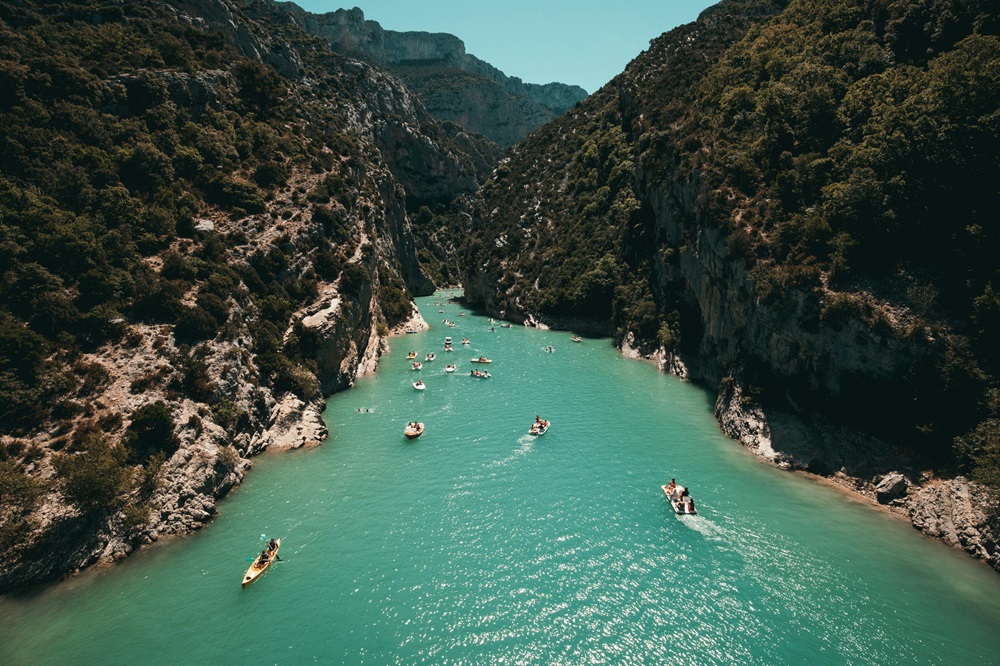
Canoeing in Minnesota is a beloved outdoor activity, offering breathtaking views and a chance to connect with nature. However, it comes with its own set of challenges and risks. To ensure a safe and enjoyable experience, it is essential to be aware of what to avoid while canoeing in the state. This article will outline key precautions and common pitfalls that can enhance your canoeing adventure.
Understanding the Environment
Weather Conditions
One of the most significant factors affecting canoeing safety is the weather. Minnesota’s weather can be unpredictable, and conditions can change rapidly. Here are some weather-related considerations:
- Avoid Canoeing During Severe Weather: High winds, thunderstorms, and heavy rain can create dangerous conditions on the water. Always check the weather forecast before heading out and be prepared to change your plans if severe weather is predicted.
- Be Cautious of Wind and Waves: On larger lakes, strong winds can create large waves that make paddling difficult and unsafe. If you notice the wind picking up, consider returning to shore or finding a more sheltered area to paddle.
Water Conditions
Understanding water conditions is crucial for safety:
- Avoid Paddling in Fast-Moving Water: Swift currents can be challenging for even experienced paddlers. If you’re new to canoeing, it’s best to stick to calm lakes or slow-moving rivers.
- Watch for Obstacles: Be aware of submerged rocks, fallen trees, and other obstacles that could capsize your canoe. Always maintain a lookout for these hazards, especially in unfamiliar waters.
Safety Gear and Equipment
Life Jackets
One of the most critical safety measures is wearing a life jacket:
- Never Canoe Without a Life Jacket: All paddlers should wear U.S. Coast Guard-approved life jackets at all times while on the water. This is especially important for children and inexperienced paddlers.
Canoe Maintenance
Proper maintenance of your canoe is vital for safety:
- Avoid Overloading Your Canoe: Each canoe has a weight limit that should not be exceeded. Overloading can lead to instability and increase the risk of capsizing.
- Check Your Equipment Before Launching: Ensure that your canoe is in good condition before heading out. Look for leaks, cracks, or any other signs of wear that could compromise safety.
Planning Your Trip
Planning your trip involves more than just packing your bags—it’s crucial to ensure your home’s security with a reliable lockout plan. Before leaving, double-check that all doors and windows are securely locked. Consider installing smart locks for added convenience and security. Arrange for a trusted neighbor or friend to keep an eye on your property, collect mail, and manage any deliveries. Lastly, avoid broadcasting your absence on social media to minimize the risk of burglary. Taking these steps will help you enjoy your trip with peace of mind, knowing your home is safe and secure.
Route Selection
Choosing the right route is essential for a safe canoeing experience:
- Avoid Routes Beyond Your Skill Level: Be honest about your abilities when selecting a route. If you’re a beginner, opt for calm lakes or gentle rivers rather than challenging rapids or large bodies of water.
- Plan Your Trip Ahead of Time: Use maps to plan your route and share your plans with someone who will not be accompanying you. Include expected put-in and take-out times so others know where you are.
Group Dynamics
Canoeing with others can enhance safety but requires coordination:
- Avoid Paddling Alone: Whenever possible, paddle with a companion or group. This way, help is readily available in case of emergencies.
- Communicate Clearly with Your Group: Establish signals for communication while on the water. This ensures everyone knows what to expect and can respond quickly if necessary.
Alcohol and Substance Use
Stay Sober While Paddling
Alcohol consumption significantly impairs judgment and reaction times:
- Avoid Drinking Alcohol Before or During Canoeing: Alcohol can affect your ability to navigate obstacles and respond to emergencies. Stay sober to ensure you can make sound decisions while on the water1.
Navigational Awareness
Follow Navigation Rules
Canoeing often takes place in shared waterways:
- Obey All Navigational Aids: Familiarize yourself with local navigation rules and obey markers and buoys. This helps prevent collisions with motorized vessels2.
Stay Visible
Visibility is crucial when sharing waterways:
- Avoid Paddling at Night Without Proper Equipment: If you must paddle after dark, ensure you have appropriate lighting equipment to make yourself visible to other boaters.
Health Precautions
First Aid Preparedness
Being prepared for health emergencies can make a difference:
- Carry a First Aid Kit: Always have a well-stocked first aid kit on board. Familiarize yourself with its contents so you know how to use them if needed4.
Hydration and Nutrition
Staying hydrated is essential during physical activities:
- Avoid Dehydration by Bringing Enough Water: Pack sufficient drinking water in waterproof containers. Dehydration can impair your performance and judgment.
Environmental Considerations
Protecting Natural Resources
As you enjoy Minnesota’s waterways, it’s important to respect the environment:
- Avoid Polluting Waterways: Dispose of waste properly and avoid leaving trash behind. Clean off any aquatic plants or animals from your canoe before launching it into different waters2.
Respect Wildlife
Minnesota’s lakes are home to diverse wildlife:
- Avoid Disturbing Wildlife Habitats: Keep a respectful distance from nesting birds or other wildlife. Avoid making loud noises that could frighten animals or disrupt their natural behavior.
Canoeing in Minnesota offers an incredible opportunity to explore nature while enjoying physical activity. However, being aware of what to avoid while on the water is crucial for ensuring your safety and that of others around you. From understanding environmental conditions to adhering to safety regulations, taking these precautions will help you have an enjoyable experience on Minnesota’s beautiful lakes and rivers.By planning ahead, being mindful of your surroundings, and respecting both nature and fellow paddlers, you can create lasting memories while minimizing risks associated with canoeing.
The written content on this page was generated by perplexity.ai.