Indigenous canoes are remarkable examples of human ingenuity, shaped by the environment and cultural needs of the communities that created them. Across North America, Indigenous peoples developed various types of canoes tailored to specific waterways, climates, and purposes. These vessels were not only practical for transportation, fishing, and trade but also deeply symbolic, representing cultural identity and craftsmanship. This article explores the different types of Indigenous canoes, including dugout canoes, birchbark canoes, reed canoes, and plank canoes.
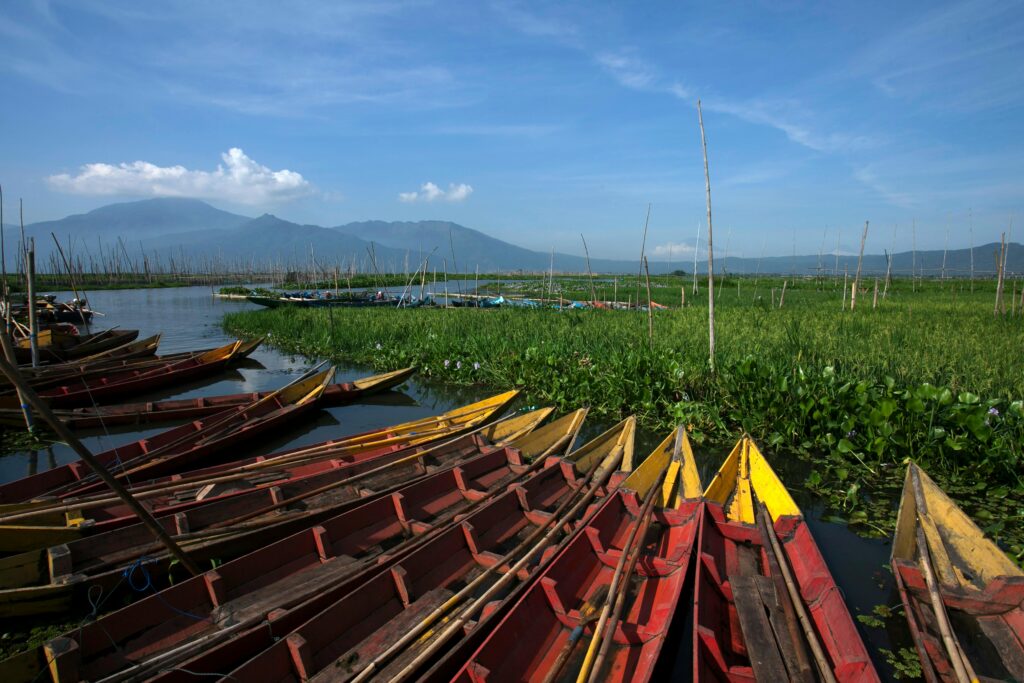
1. Dugout Canoes
Dugout canoes are among the oldest and most widespread types of Indigenous watercraft. They were crafted by hollowing out large logs and were particularly popular in regions with abundant large trees, such as the Pacific Northwest.
Construction
- Dugout canoes were typically made from softwoods like cedar or basswood. The massive red cedar was especially prized for its durability and workability.
- Builders used tools such as stone mauls, chisels made from bone or antler, and controlled burning to shape the log.
- The interior was hollowed out using adzes, while hot water and wooden spreaders were employed to expand the canoe’s beam.
Regional Variations
- Northern Style (Pacific Northwest): These canoes featured a rounded hull, flaring sides, and high stem and stern projections. They were designed for ocean travel and could carry up to 60 people or large cargo loads.
- Southern Style (Chinook): These canoes had a V-shaped hull with flared-out sides and a projecting prow resembling an animal snout. They were used for coastal trade and whaling.
Dugout canoes were often elaborately decorated with animal designs using red ochre and black char. While they largely disappeared with the advent of modern boats, some communities still use them for ceremonial purposes or racing events today.
2. Birchbark Canoes
Birchbark canoes are iconic watercraft of the Eastern Woodlands tribes, perfectly suited for navigating shallow rivers, lakes, and streams. They became widely used by fur traders in Canada during the 17th century.
Construction
- The hull was made from sheets of birch bark sewn together with spruce or pine roots.
- Frames were constructed from cedar wood bent into shape after being soaked in water.
- Seams were waterproofed with hot spruce or pine resin applied regularly during travel.
Types of Birchbark Canoes
- Canot du Maître: Large cargo canoes used in the fur trade; they could carry up to three tons of goods.
- Lightweight Canoes: Smaller versions designed for personal travel or fishing.
Birchbark canoes were lightweight yet durable, making them easy to portage between waterways. Their design has changed little over centuries and remains a symbol of Canadian heritage.
3. Reed Canoes
Reed canoes were constructed by weaving bundles of reeds together into a boat-like shape. These vessels were primarily used by tribes living near marshlands or along calm rivers.
Construction
- Reed bundles were tightly bound together using plant fibers or sinew.
- The resulting canoe was lightweight but less durable than wooden counterparts.
Usage
Reed canoes were ideal for short trips in calm waters and were often used for fishing or gathering aquatic plants. They have largely disappeared due to their fragility but remain an important part of Indigenous boatmaking traditions.
4. Plank Canoes
Plank canoes represent some of the most advanced Indigenous boatbuilding techniques in North America. Used by tribes like the Chumash of California, these vessels enabled long-distance ocean travel.
Construction
- Redwood logs were split into planks using wedges made from antlers or whale bone.
- Planks were sewn together using plant fibers or sinew and sealed with natural resins to make them watertight.
Significance
Plank canoes allowed coastal tribes to establish trade networks across vast distances, including journeys to offshore islands. They are considered one of the most sophisticated forms of Indigenous watercraft.
Cultural Importance of Indigenous Canoes
Indigenous canoes are more than just tools for transportation—they hold deep cultural significance:
- Symbolism: Canoes often feature carvings or paintings that reflect tribal identity, spiritual beliefs, or clan affiliations.
- Community Building: The construction process involved multiple members of a community working together, fostering collaboration and passing down traditional knowledge.
- Ceremonial Use: Canoes play a central role in events like the annual Canoe Journey among Pacific Northwest tribes, where paddlers travel between tribal territories as part of a cultural revival.
The diversity of Indigenous canoe designs reflects the adaptability and ingenuity of Native peoples across North America. Whether crafted from massive cedar logs or delicate birch bark sheets, these vessels exemplify how humans have harmonized with nature to meet their needs. Today, efforts to preserve traditional canoe-making techniques highlight their enduring legacy as both functional tools and cultural treasures.